
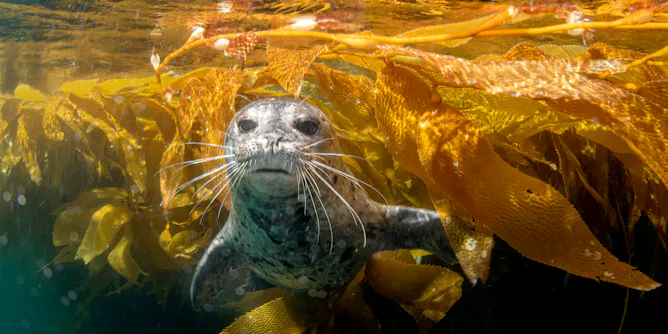
We cannot afford to ignore kelp – these vibrant underwater forests have sustained people and ecosystems for centuries, and continue to do so today.
Articles on Marine ecosystems
Displaying 21 - 40 of 178 articles

Scientists are predicting a record sargassum bloom in 2023. It’s already starting to wash up on beaches in Florida and the Caribbean and cause a stink.

By adapting and applying existing policies, South Africa can protect and restore its critical ‘blue carbon’ sinks.

Artificial lighting from cities illuminates coastal waters and can change the physiology and behaviour of marine organisms.
New Zealand may see more sponge bleaching as the northern coastlines are already experiencing almost continuous marine heatwave conditions, expected to extend into the coming summer.
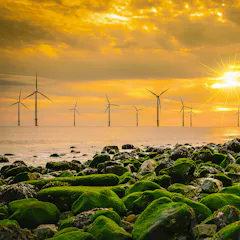
Australia must map out the best sites for generating the most electricity with the least environmental impact.
A new biodiversity index captures the climate risk for nearly 25,000 marine species and their ecosystems and lays the groundwork for climate-smart approaches to management and conservation.
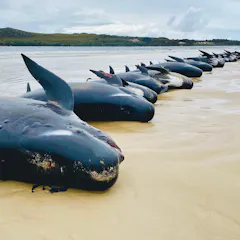
As the dead whales decompose, an astonishing and rare chain of events is likely to flow through the marine ecosystem – ultimately leading to an explosion of activity and new life.
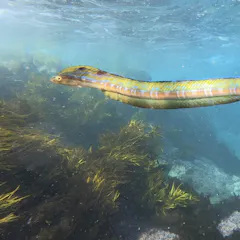
The photographs show how climate change is disrupting our marine ecosystems – sometimes in ways previously unknown to marine scientists.
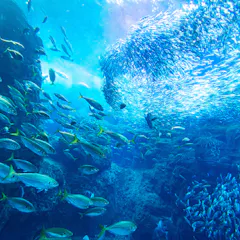
Humans have failed to take good care of the ocean — and the environment at large — because we undervalue its goods and services.

As the ocean temperature rises, many marine species are moving toward the north and south poles in search of cooler waters, thus rewriting the menus of seafood restaurants on the West Coast of Canada.
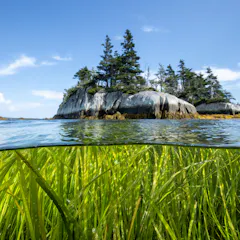
It is time to acknowledge and address the rapid shifts in Canada’s oceans. To meet this challenge, Canada’s marine conservation toolbox — starting with the Oceans Act — needs an overhaul.
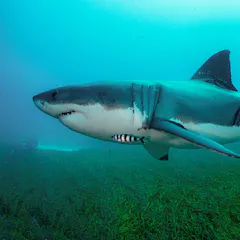
As authorities grapple with the best way to respond to the tragedy, it’s worth remembering all shark mitigation measures come with both merits and drawbacks – and none is a silver bullet.
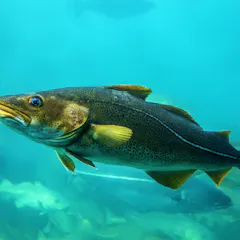
Certain combinations of genetic material are being conserved through the generations.
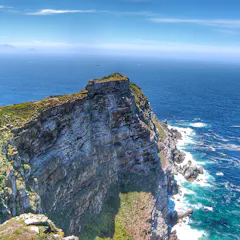
The social, ecological and governance objectives of marine protected areas need to be understood to enhance benefits to both people and the environment.
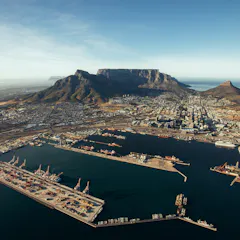
What scientists learnt from analysing alien marine organisms that hitch-hike around the world on ships and other vessels that make their way into South African shores.
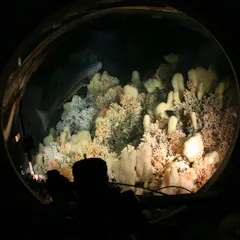
Cold-water corals live in the Atlantic’s frigid depths – and the UK is a stronghold for them.
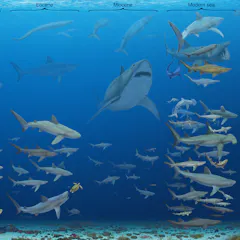
Sharks have been around for more than 400 million years — but not all sharks are equally resilient to changes around them. Why do some groups thrive, while others dwindle?
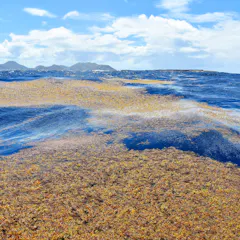
Huge blooms of brown seaweed have fouled Florida and Caribbean beaches almost every year over the past decade. They originate in Africa and South America. and are fueled by human activities.
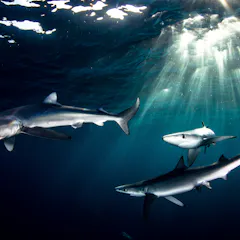
Sharks grow slowly and produce few young compared to bony fishes. In many cases, this means that their populations are fished out faster than can be replenished if not well managed.
Top contributors
-

Professor of Marine Botany, The University of Western Australia
-
Associate professor, Macquarie University
-
Professor, Macquarie University
-
Professor, Conservation Biology, The University of Queensland
-
Professor and Deputy Vice-Chancellor (Research), University of Sydney
-
Chief Research Scientist - Environment, CSIRO
-
Professor, Marine Biology, Adelaide University
-
Distinguished Professor of Marine Science, King Abdullah University of Science and Technology
-
Professor of Marine Fisheries Ecology, Macquarie University
-
Professor Evolution & Ecology, UNSW
-
Postdoctoral Research Fellow, The University of Western Australia
-
Wen Family Chair in Conservation, The University of Western Australia
-
Professor in marine ecology, UNSW
-
Research Fellow in Marine Ecology, Marine Biological Association
-
Postdoctoral researcher, marine ecology, Adelaide University