
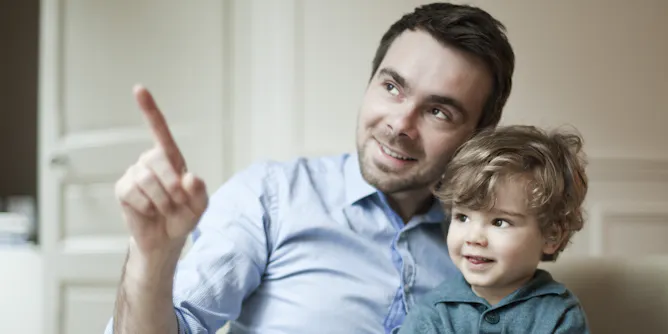
People often try to seem confident and certain in their message so it will be trusted and acted upon. But when information is in flux, research suggests you should be open about what you don’t know.
Articles on Learning
Displaying 141 - 160 of 407 articles
The physical activity and social connection that take place at recess help children be more engaged once back in the classroom.
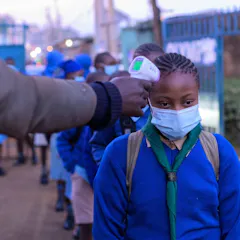
Despite government efforts to provide digital resources for students kept out of school for most of 2020, access to these platforms was deeply unequal
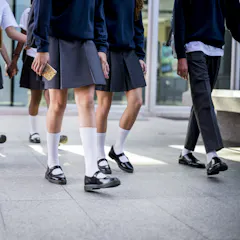
Debating whether school uniforms are good or bad sidesteps a bigger issue: students – especially girls – need better designed garments that support their learning and well-being.
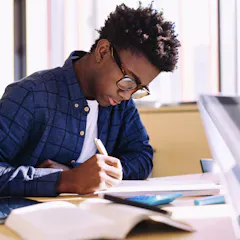
Open education resource platforms improve access to education and are globalising education on a scale never seen before.

Is a science kit, some Lego, or building blocks best for fostering kids’ STEM skills and creativity? Fear not – it’s not what’s in the box, but what happens after you open it, that’s most important.

The ability to store information is central to learning and the field of artificial intelligence. Researchers have shown how a unique material shows basic learning properties similar to that of slugs.

Too often, corporal punishment breaks young people and brutalises them.

Too much time studying isn’t good for you or your grades. The challenge is to find the best balance of study, sleep and other activity to improve learning without compromising well-being.
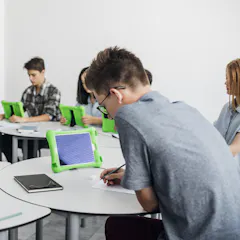
Modern classrooms are set up in very different ways to the rows of single desks. Does this modern furniture benefit learning?
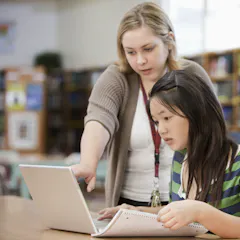
The number of school librarians in the US has dropped about 20% over the past decade, a recent study found. Here are four ways school librarians prepare students for today’s world.

America’s public schools, which are over 40 years old on average, are not equipped to handle rising temperatures due to climate change, a new study reveals.
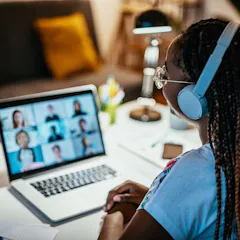
While the pandemic undoubtedly sped up the uptake of educational technology in higher education, it doesn’t point to an entirely online future.
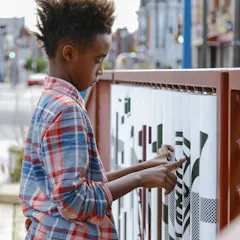
Scientists and local communities can work together to design interactive play spaces that build math and literacy skills.
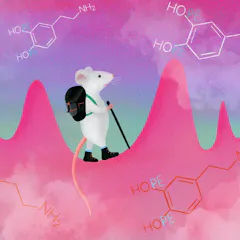
Mouse brains produce random, strong bursts of dopamine and are able to control them. This may challenge many long-held ideas about learning and motivation.
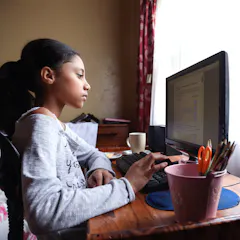
Whether they’re in a classroom or online, students should be encouraged to move around. An expert on learning with technology explains why.
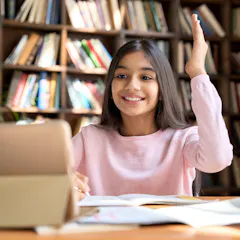
A study of Australian students affected by COVID restrictions found the more adaptable ones had more confidence about online learning and made greater progress. So how can this skill be taught?
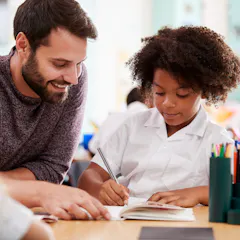
Many interactions between teacher and student may appear insignificant or random, but they are important for learning and building relationships.
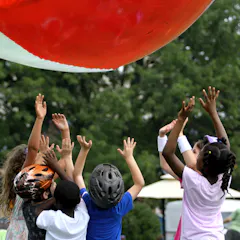
Public and community health experts highlight four ways that communities can collaborate to encourage physical activity and fun.
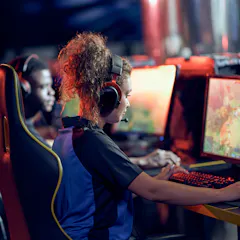
Video gaming is often seen as a distraction for students. So the challenge is to distract students back towards learning – and video games provide the perfect model.
Top contributors
-

Professor of Reading and Children’s Development, The Open University
-
Professor of Higher Education, Rhodes University, South Africa, Rhodes University
-
Research Scientist, African Population and Health Research Center
-
Director of the Learning, Instruction & Technology Lab and Professor of Educational Psychology, School of Education, The University of Queensland
-
Scientia Professor and Professor of Educational Psychology, UNSW
-
Deputy Director, ARC Centre of Excellence in Cognition and its Disorders, Macquarie University
-
Professor, Melbourne Graduate School of Education, The University of Melbourne
-
Professor of Early Childhood Studies, The University of Melbourne
-
Professor Emeritus, Swinburne University of Technology
-
Senior Lecturer, School of Education, Macquarie University
-
Professor of Education, Durham University
-
Associate Professor of Education, Charles Sturt University
-
Campus and Secondary Principal at the International School of Geneva's La Grande Boissière, Research Associate at the University of Geneva's department of Education and Psychology, Université de Genève, Université de Genève
-
Senior Lecturer (Adjunct), Nutritional neuroscientist, Adelaide University
-
Senior Lecturer in Education, Queensland University of Technology