
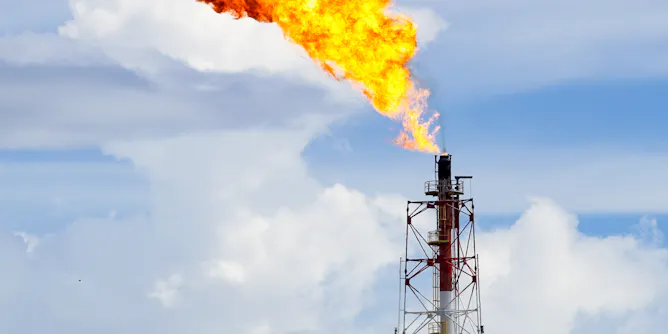
Major sources, like oil and gas ‘super-emitters’, are almost entirely neglected by regulations.
Articles on Landfill
Displaying 21 - 40 of 78 articles
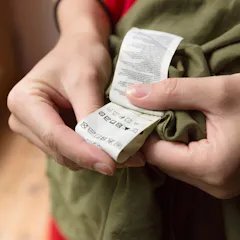
By understanding clothing care labels, you can extend the lifespan of your clothes.
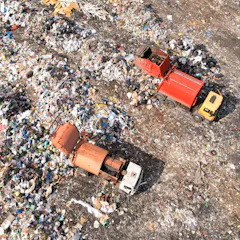
Cheap and easy waste disposal is a highly lucrative business. The lack of regulation in how companies advertise is driving up illegal dumping.

Coffee capsules aren’t the biggest carbon culprits. It’s better to use a capsule than to waste coffee and water.
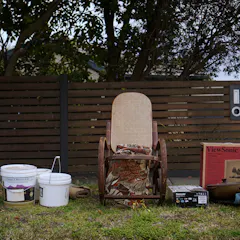
Not everything needs to be Marie Kondo-ed just because it doesn’t ‘spark joy’. Ask yourself if there’s a less wasteful option.
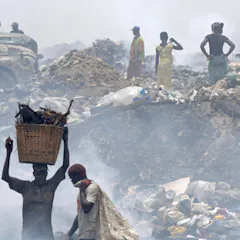
Employing children as waste pickers lowers costs but exposes them to hazards.

The agriculture and fossil fuel industries are the biggest sources of methane emissions in Australia. Here’s how signing the pledge may affect them.
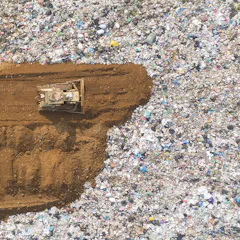
Could we divert incontinence products from landfill? Yes – if we tackle social stigma and access to affordable health services, encourage biodegradable products and introduce supportive waste policies
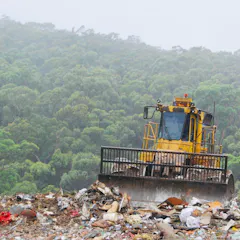
The landfill industry’s decision to speak out about the integrity of carbon credits provides an opportunity to put the system back on the rails.
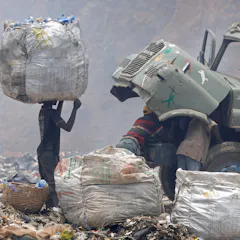
Lagos waste pickers were dissatisfied with their unhealthy working conditions, poverty and stigmatisation.

Priority should be given to improving municipal solid waste management in First Nation communities because they currently lack financial resources, infrastructure and solid waste diversion programs.

Technologies like biomass gasification can help tackle the growing global problem of food waste.

Using recycled plastic to wire planes could reduce their emissions while cutting down on waste from the 3-D printing industry.
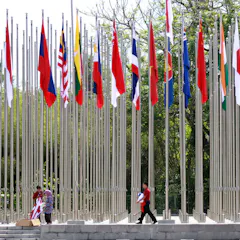
The countries of the ASEAN region have important roles to play in tackling the global problem of marine plastic waste.

Of the five cuisines examined, packaging from burger meals was responsible for the most emissions.

Novelty items, candles, pamper products and pyjamas top the list of unwanted Christmas gifts. So why not choose a better, greener option?
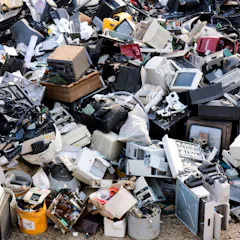
Within the growing mountains of electronic waste, precious metals lie waiting to be recovered.

In places where reusable cups are allowed, coffee drinkers, cafe owners and local governments can use insights from behavioural science to discourage use of throwaway cups.

Households generate a large share of national greenhouse gas emissions and can take steps to reduce them.

We are addicted to consumption during these holidays, which leads to a massive amount of landfill waste. Giant retailers like Walmart could help the problem, but they haven’t.
Top contributors
-

Lecturer, School of Life and Environmental Sciences, Deakin University
-
Professor and Director Centre for Agricultural Engineering, University of Southern Queensland
-
Professor of Economics, Bucknell University
-
Senior Lecturer, Auckland University of Technology
-
Professor of Waste Management, The University of Queensland
-
Research Chair, Indigenous Approaches to Environmental Management, Keele University
-
Senior Research Fellow, BehaviourWorks Australia, Monash University
-
Researcher, Urban Informatics Research Lab, Queensland University of Technology
-
Masters student, Carleton University
-
Associate Professor of Chemical & Environmental Engineering & Forestry & Environmental Studies, Yale University
-
Professor of Terrestrial Ecology, Deputy Vice Chancellor, Tropical Environments and Societies, James Cook University
-
Professor of Sociology, Goldsmiths, University of London
-
Director, Glowpear, Board member, ISDRS, Vice President, AHA and Senior Lecturer in Industrial Design, RMIT University
-
Birkbeck, University of London
-
Adjunct professor, Department of Biology, Carleton University
