
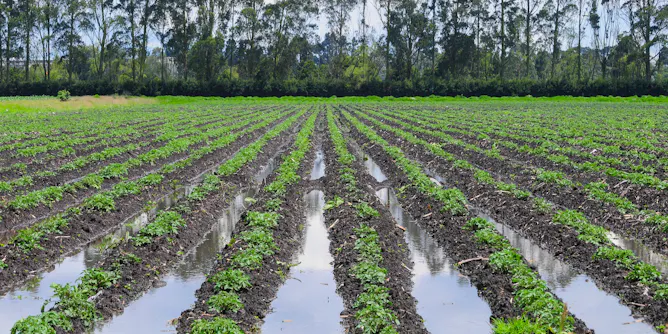
Potatoes are profitable and in demand. But wet weather and hard-to-control diseases have caused havoc for our growers.
Articles on La Nina
Displaying 41 - 60 of 130 articles
The research help us understand how El Niño and La Niña will change as the world warms in the future.
There’s a 98% chance of a record hot year by 2028, and a 66% chance of exceeding the 1.5°C threshold for at least that year, according to the latest World Meteorological Organization update.
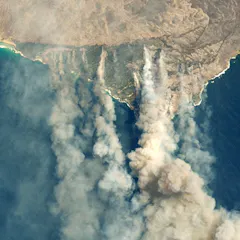
Where there’s fire, there’s smoke – could plumes from the Black Summer of fire have cooled regions of the Pacific and triggered a La Niña? New research suggests it’s possible.
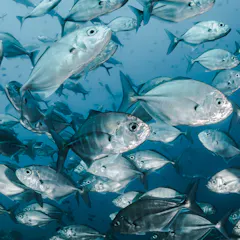
El Niño can trigger intense and widespread periods of extreme ocean warming known as marine heat waves. They can devastate marine life.
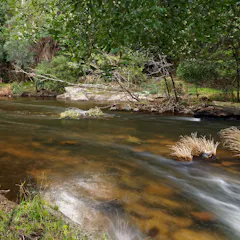
Last year was great for plant growth and river flows. But Australia is still on the brink of losing a slew of plant and animal species.
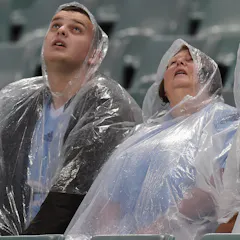
Not all La Niñas are wet, nor El Niños dry – especially if you live in Sydney. So here’s how to interpret what an El Niño forecast means for you.

After three long years of rainy weather, La Niña is over. But that doesn’t mean El Niño is a certainty. Here’s why.
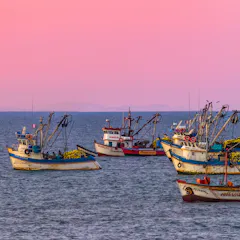
The Pacific Ocean climate pattern is the opposite of El Niño.
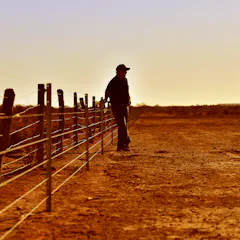
Not all El Niño events lead to drought in Australia. Other factors are involved and it will take some time for drought to develop now catchments are wet and most dams are full.
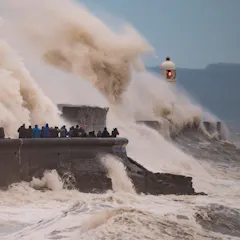
An expert explains why the UK’s winter has been relatively calm.
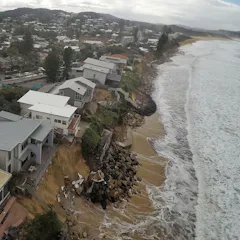
We can now monitor coastal changes across thousands of beaches over the last 40 years, from Australia, New Zealand and Japan, to Chile, Peru, Mexico and California. Here’s what our new tool uncovered.

As with so many staples and foods in the past two years – lettuce, milk and eggs to name a few – the problem is a temporary imbalance between supply and demand. Here’s what’s happening with potatoes.
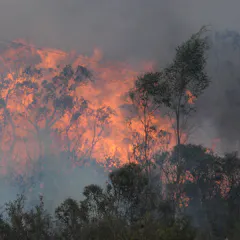
The latest Bureau of Meteorology forecast offers relief from record rain and floods brought about by La Niña. A longer-term outlook for El Niño is still up in the air – but its arrival would be disastrous.
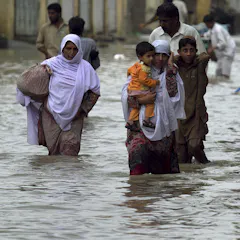
Globally, the air is getting hotter and drier, which means flash droughts and risky fire conditions are developing faster and more frequently.

The Met Office has predicted that England is to be affected by flooding this February.
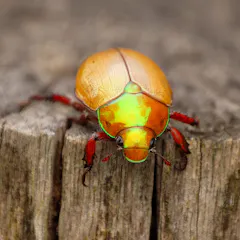
Wet weather is great for some species of bugs. But Christmas beetle swarms look to be a thing of the past

A heatwave across northern Australia comes as a shock to the system. The impacts of heat are worst in early summer when we’ve had less time to acclimatise, so it’s important to heed health warnings.

Rain and floods mean mozzie numbers are booming. Australia has around 300 different mosquito species, but they can’t all make us sick, or even bite.
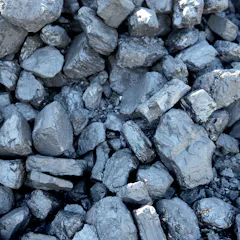
The rain comes as coal demand surges and pressure mounts for the industry to wind back production to help tackle climate change.
Top contributors
-

ARC Future Fellow and Associate Professor in Climate Science, ARC Centre of Excellence for 21st Century Weather, The University of Melbourne
-
Adjunct Professor (Practice) in the School of Earth, Atmosphere and Environment, Monash University
-
Distinguished Scholar, National Center for Atmospheric Research; Affiliate Faculty, University of Auckland, Waipapa Taumata Rau
-
Senior Climatologist, Australian Bureau of Meteorology
-
Climate Scientist, Australian Bureau of Meteorology
-
Climate scientist, Australian Bureau of Meteorology
-
Principal Research Scientist, CSIRO
-
Adjunct Professor in Climate Science, Monash University
-
Professor, Water and Landscape Dynamics, Fenner School of Environment & Society, Australian National University
-
Senior Research Associate, UNSW
-
Lecturer, School of Agriculture, Food and Ecosystem Sciences, The University of Melbourne
-
Climate Scientist, Australian Bureau of Meteorology
-
Adjunct Professor of Environmental Geography, CQUniversity Australia
-
Chief Research Scientist, Oceans and Atmosphere, CSIRO, CSIRO
-
Honorary Associate Professor of Climate Science, The University of Melbourne