
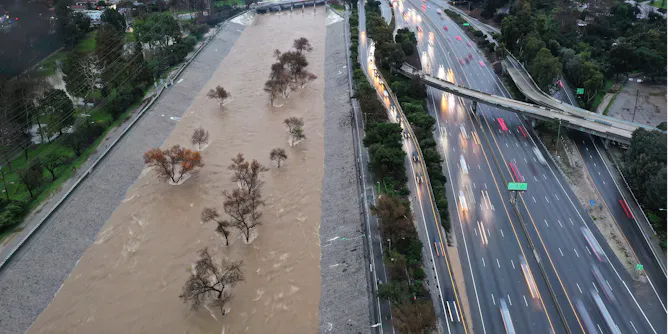
A new study connects early winter heat high up on the plateau to the jet stream and, ultimately, storms headed for the US coast. The results could mean better forecasts.
Articles on La Nina
Displaying 1 - 20 of 130 articles
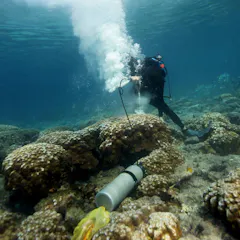
Scientists went to the heart of the El Niño pattern to learn from living and fossil corals. The results show El Niño’s intensifying coincides with global warming.
Previous rains and grain stocks could reduce the impact of the expected drought.
Three climate-related factors have loaded the dice for a drier and warmer winter this year.
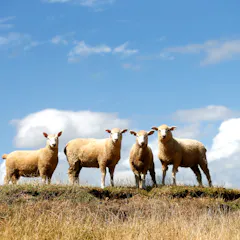
Past El Niño events have brought drought and disruption to New Zealand. What might the coming one spell?
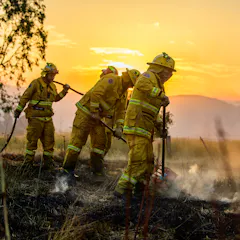
The latest State of the Climate report paints a grim picture of global warming. But by reducing our emissions and fossil fuel use, we can still slow it down.
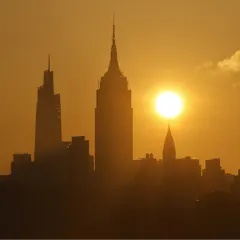
Solar cycles, sea ice and rising electricity use all play a role. So does an unhealthy surprise that has been quietly hiding a large amount of global warming – until now.
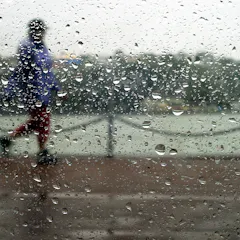
Behind this summer’s floods and slips is a simple signal we rarely talk about: humidity. As the climate warms, NZ will need to pay closer attention.
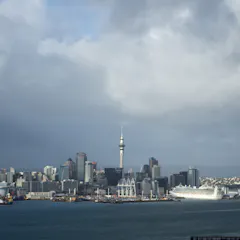
A run of damaging storms that has spoiled midsummer and caused floods and landslides isn’t bad luck, but a combination of local, regional and global drivers.
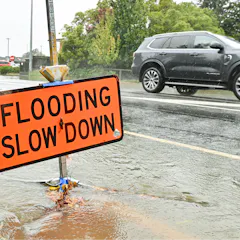
Understanding what is happening deep beneath the ocean surface is key to understanding the weather patterns we are experiencing on land.
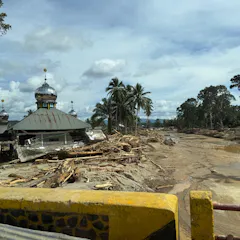
Extreme rain wasn’t the only cause of Sumatra’s deadly floods. Years of forest loss, eroded soils, and weakened watersheds turned a storm into a tragedy — one that could repeat.
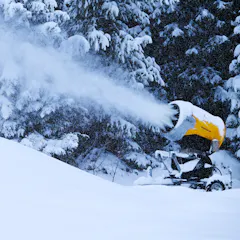
Here’s what snow forecasters are watching, and why skiers and other snow lovers shouldn’t lose hope.

Equatorial cyclones are rare. That’s one reason Cyclone Senyar has done so much damage in Indonesia and Malaysia.

What do the next few months hold, weather-wise? For clues, we can look to the oceans around Australia.
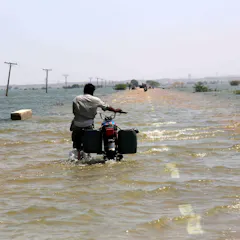
Moderate changes over millennia are being sped up by emissions from burning fossil fuels.
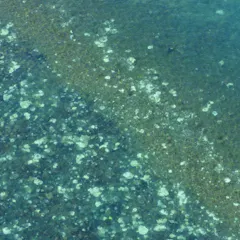
Warm, deeper water can shut down the ocean’s natural ‘air conditioner’, putting corals at even greater risk.
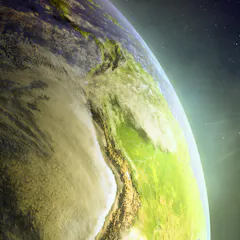
Human-driven ocean warming is increasingly overwhelming El Niño, La Niña, and other natural climate patterns.
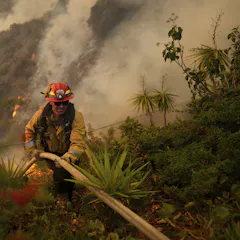
It’s vital to understand how climate drivers played out before and during the LA wildfire emergency – because many Australian cities face the same climate risks.

Reports of a rare summer La Niña are premature. It is also foolish to look at such climate drivers in isolation. But seasonal forecasting is becoming more complicated as the planet warms.

To prepare for more intense floods supercharged by climate change, we have to build infrastructure able to tolerate new extremes
Top contributors
-

ARC Future Fellow and Associate Professor in Climate Science, ARC Centre of Excellence for 21st Century Weather, The University of Melbourne
-
Adjunct Professor (Practice) in the School of Earth, Atmosphere and Environment, Monash University
-
Distinguished Scholar, National Center for Atmospheric Research; Affiliate Faculty, University of Auckland, Waipapa Taumata Rau
-
Senior Climatologist, Australian Bureau of Meteorology
-
Climate Scientist, Australian Bureau of Meteorology
-
Climate scientist, Australian Bureau of Meteorology
-
Principal Research Scientist, CSIRO
-
Adjunct Professor in Climate Science, Monash University
-
Professor, Water and Landscape Dynamics, Fenner School of Environment & Society, Australian National University
-
Senior Research Associate, UNSW
-
Lecturer, School of Agriculture, Food and Ecosystem Sciences, The University of Melbourne
-
Climate Scientist, Australian Bureau of Meteorology
-
Adjunct Professor of Environmental Geography, CQUniversity Australia
-
Chief Research Scientist, Oceans and Atmosphere, CSIRO, CSIRO
-
Honorary Associate Professor of Climate Science, The University of Melbourne