
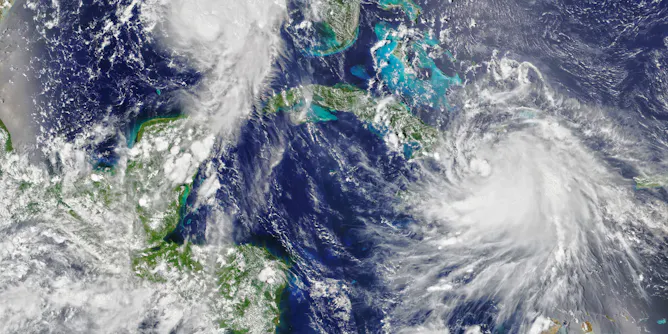
It’s only happened twice since naming started in 1950, and there’s an unusual twist to where many of the storms formed this year.
Articles on La Nina
Displaying 101 - 120 of 131 articles
The absence of climate drivers – specifically, the Indian Ocean Dipole and La Niña – explains why Australia has gone so long without heavy rains.
Southern and eastern Australia need to prepare for heatwaves and increased fire risk this summer, as forecasts predict hot, dry weather.
Record-breaking April heat is likely to continue for at least another month.
The Bureau of Meteorology’s climate outlook for April to June is ‘neutral’, but that doesn’t mean we’re flying blind, weather-wise.
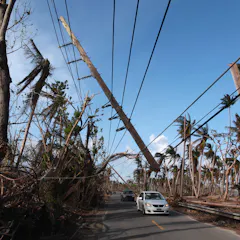
2017 brought wild, wacky and even deadly weather. Australia was hit by heatwaves and torrential rains, plus some surprisingly cool spells. Hurricanes hit America, and a killer monsoon lashed Asia.
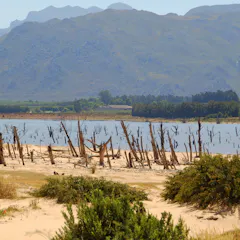
Cape Town promised alternative water sources with the ongoing drought being declared a disaster. Its main strategy is water rationing but climate models are also being used.
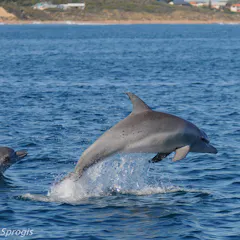
The dolphin population in parts of Western Australia more than halved one year, just as an El Niño event hit over in the Pacific. So what’s the connection?
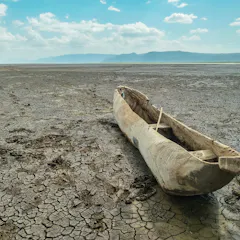
It’s very easy to assume climate change causes droughts, but they are complex extreme events that result from a combination of drivers.
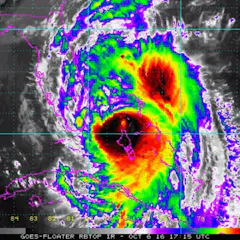
Two atmospheric scientists explain how they weigh evidence such as ocean temperatures, wind speeds and other climate patterns to predict how many Atlantic hurricanes are likely to form this year.
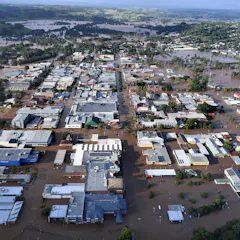
The record floods of 1954 and 1974 still stand as Lismore’s high-water marks. But Tropical Cyclone Debbie delivered her deluge far more abruptly than the rains that triggered those historic floods.
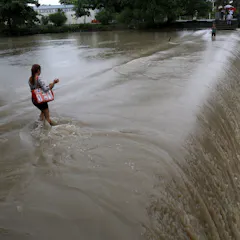
New research shows that global warming has already begun to exacerbate extremes of rainfall in the Pacific region – with more to come.
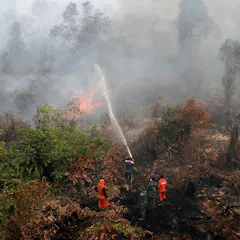
We’re due to cop a hiding from the Pacific Ocean, but we don’t know when.

Researchers ran computer simulations that take into account environmental variability and geographical setting to investigate how early explorers made it to these tiny, remote islands in the Pacific.
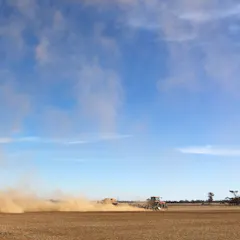
From floods to drought, fire to famine, the 2015-16 El Nino has had a global impact.
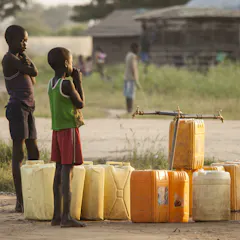
From floods to drought, fire to famine, the 2015-16 El Nino has had a global impact.
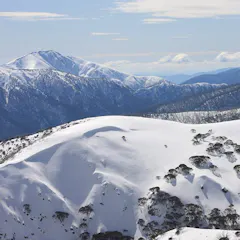
Australia’s snow season is notoriously fickle - so what determines whether we’ll get a good fall?
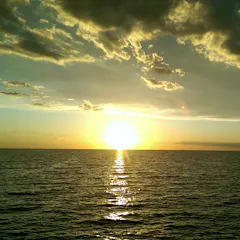
The summer of 2015-2016 was the hottest on record for Australia’s oceans.
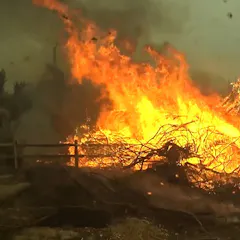
February 2016 was the hottest month by the biggest margin ever. Does that mean global warming has gone into hyperdrive?
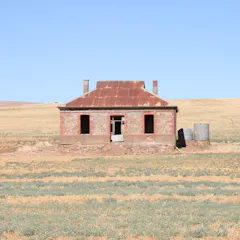
Australia is the land of drought of flooding rains, driven by events such as El Nino. But despite this variability, some parts of Australia are clearly drying out.
Top contributors
-

ARC Future Fellow and Associate Professor in Climate Science, ARC Centre of Excellence for 21st Century Weather, The University of Melbourne
-
Adjunct Professor (Practice) in the School of Earth, Atmosphere and Environment, Monash University
-
Distinguished Scholar, National Center for Atmospheric Research; Affiliate Faculty, University of Auckland, Waipapa Taumata Rau
-
Senior Climatologist, Australian Bureau of Meteorology
-
Climate Scientist, Australian Bureau of Meteorology
-
Climate scientist, Australian Bureau of Meteorology
-
Principal Research Scientist, CSIRO
-
Adjunct Professor in Climate Science, Monash University
-
Professor, Water and Landscape Dynamics, Fenner School of Environment & Society, Australian National University
-
Senior Research Associate, UNSW
-
Lecturer, School of Agriculture, Food and Ecosystem Sciences, The University of Melbourne
-
Climate Scientist, Australian Bureau of Meteorology
-
Adjunct Professor of Environmental Geography, CQUniversity Australia
-
Chief Research Scientist, Oceans and Atmosphere, CSIRO, CSIRO
-
Honorary Associate Professor of Climate Science, The University of Melbourne