
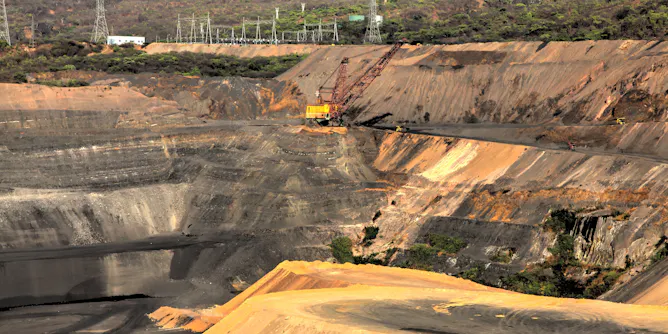
A new model offers a template for just and transparent accounting of loss and damage.
Articles on Just transition
Displaying 1 - 20 of 106 articles
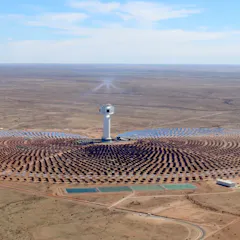
South Africa is one of the best places in the world for concentrating solar power. So why has the country’s energy plan largely ignored it?
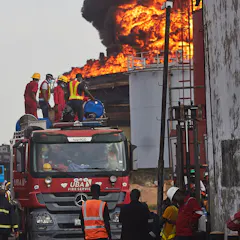
Wealthy nations will need to help fund clean energy, green industrial growth and mineral processing.
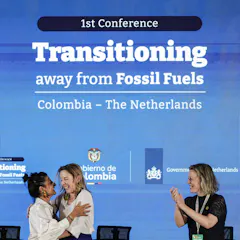
Translating the Transitioning Away from Fossil Fuels conference into a concrete action will demand structural reforms, credible policy tools and sustained political will.
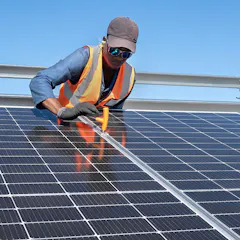
A just transition to a green economy with broad growth in employment will require deliberate efforts.
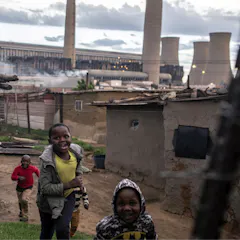
The South African government and coal industry need to move fast to set up a plan to turn old coal mines and power stations into job-creating hubs after they close.
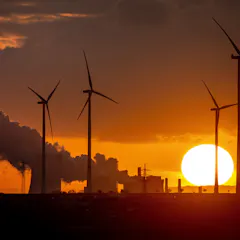
Yes, climate change is worsening and action is uneven. But the shift away from fossil fuels is beginning.

Any large-scale policy affecting schools, like Montréal’s ambitious transition to zero waste, needs to reflect that success relies on the labour and care of students and education workers.
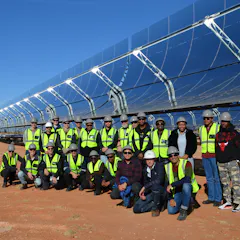
India links new rural power lines to solar projects, providing cleaner energy for farms, while South Africa has ways for communities to benefit from green energy profits.

The energy transition is often painted as a jobs killer, but the evidence says otherwise.
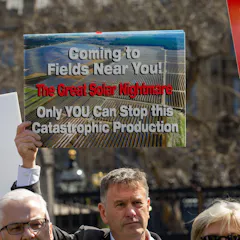
Reform UK is exploiting opposition to solar panels – but most farmers are more worried about climate change.
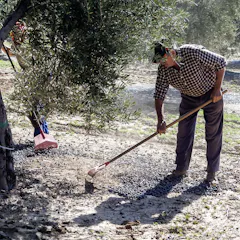
People need to feel they are part of the solution, not the problem.
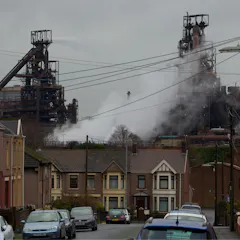
When net zero leaves communities behind, people get angry.
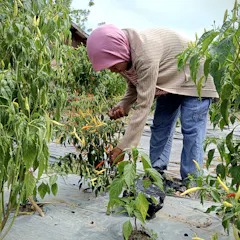
Indigenous Dayak women are starting to cultivate chili peppers and lead a just energy transition through backyard farming
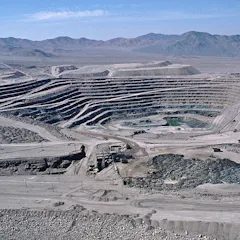
Zimbabwe has large lithium deposits but most is extracted by multinational companies and exported raw. The country doesn’t benefit from lithium battery sales.

Key climate finance terms explained by experts.

There’s a long list of green skills that women across Africa need so that they can get jobs and start businesses that help the world adapt to climate change.
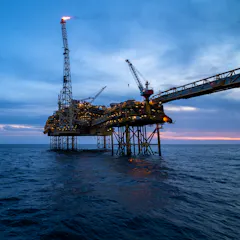
It’s a myth that producing oil with lower upstream emissions benefits the climate.
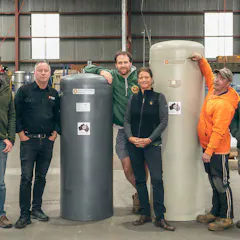
In the 1980s, retrenched workers sometimes set up worker co-operatives to regain control. Now the model is making a comeback in green manufacturing

Progressive adaptation could ensure society is not only better prepared for future shocks, but thrives in the face of uncertainty.
Top contributors
-

Senior Lecturer in Climate Justice, University of Bristol
-
Research Principal, Institute for Sustainable Futures, University of Technology Sydney
-
Professor of Physics, University of Johannesburg
-
PhD Candidate in Bioeconomy, University College Dublin
-
Associate Professor in Political Theory and Public Policy, UCL
-
Pro Vice-Chancellor, Climate, Sustainability and Inequality and Director, Southern Centre for Inequality Studies, University of the Witwatersrand
-
Senior Lecturer in Politics, University of Strathclyde
-
Associate Professor, School of Science, University of Newcastle
-
Professor, Department of Geography & Environmental Studies, University of Regina
-
Researcher in Renewable Energy, University of Cape Town
-
Chair of Energy and Climate Governance, University of Manchester
-
Postdoctoral Research Fellow in Energy Transitions, Deakin University
-
Research Principal, Institute for Sustainable Futures, University of Technology Sydney
-
Lecturer in Global Inequalities, University of Glasgow
-
Environment + Energy Editor and Host of the Climate Fight podcast series, The Conversation