
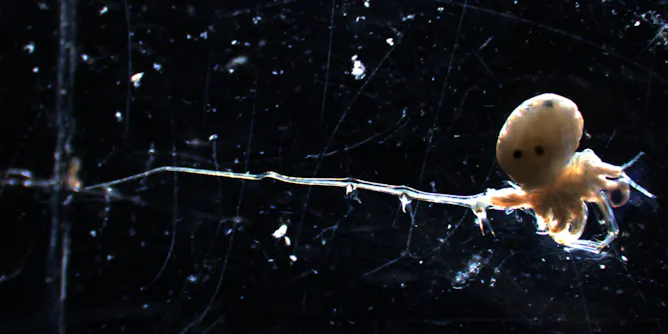
Invasive species cause some $120 billion in damages across North America yearly – and that’s just direct costs. A study of one species in one Wisconsin lake indicates the real toll is much higher.
Articles on Invasive species
Displaying 301 - 320 of 382 articles

If you’re hearing a strange chatter in your home, you may have gecko housemates.
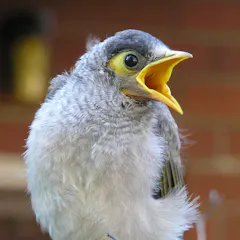
There are birds we love to hate, such as the Noisy Miner. But much of the annoying behaviour on show may be a result of human-induced changes to habitats.
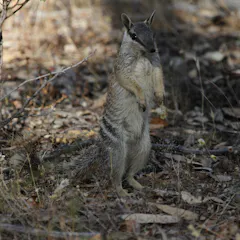
South west Australia is home to an astonishing number of plants and some of the country’s weirdest wildlife. Now we need to protect it.

The 2011 Japan tsunami illustrates how more marine creatures are crossing the oceans than ever before - and not all of them are friendly travellers.
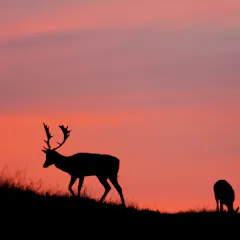
There are now six species roaming wild, and their numbers are increasing dramatically as their population expands and through human action. As they spread, they raise uncomfortable issues for conservation.
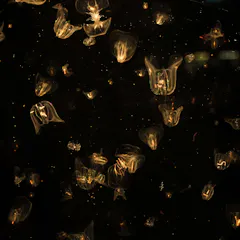
We know a lot about the potential negative effects of ocean acidification on marine creatures. But might some species actually benefit? The answer is yes, but this isn’t necessarily a good thing.
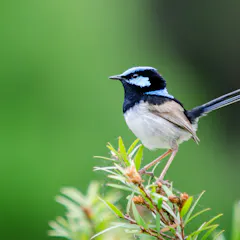
Some Australian birds are pushing out other species, and even damaging trees. The good news is we can help stop the spread of these birds, by putting native plants in our gardens.
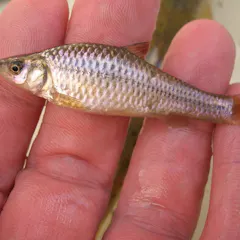
A small invasive fish known as the topmouth gudgeon has already wreaked havoc on European species and its arrival to the US and South America is only a matter of time.

The continent’s ice caps are melting, and both native and alien species will soon colonise the newly uncovered areas.
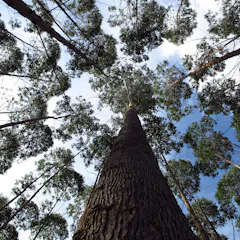
Invasive pests threaten the world’s much-needed planted forests, as trees are declining.
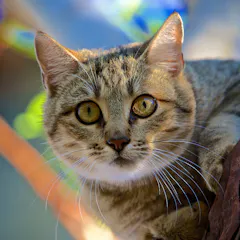
There’s been a lot of talk about killing feral cats, with the government’s recently announced war on cats, with a goal to kill two million by 2020. But let’s embrace cats as part of Australia’s environment.
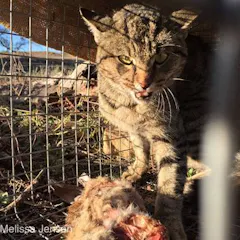
Feral cats are highly adaptable and highly variable, hence we must continue to search for their Achilles Heel and invest in a wide range of control methods.
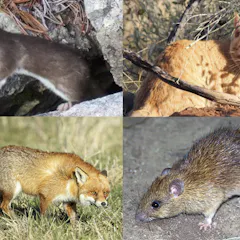
Research published this week shows saving wildlife is much more complicated than killing introduced predators. Killing predators often doesn’t work, and is sometimes actually worse for native wildlife.
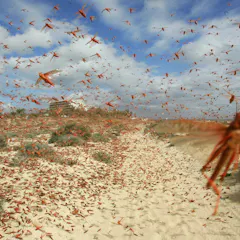
Genetic techniques are helping scientists work out how to stop invasive species before they rack up huge environmental and financial costs.
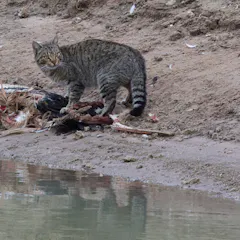
Cats and foxes are two of the greatest threats to Australian wildlife. Culling might be one solution, but sometimes culls do more harm than good.
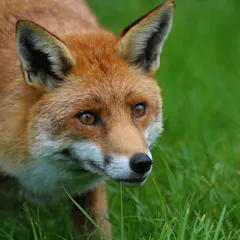
New evidence suggests there no foxes in Tasmania. Were there ever? Even if there weren’t, the state’s multi-million dollar fox hunt was worth it to save wildlife.
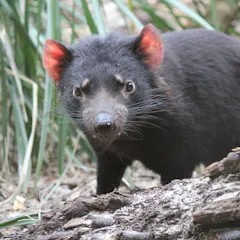
Proposals to reintroduce Tassie devils to the Australian mainland have argued devils could help control feral cats. But new research shows there’s no simple answer.
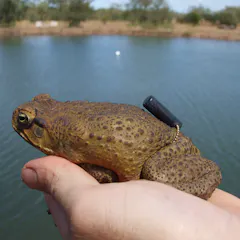
Cane toads, introduced in 1935 to control cane beetles, have now spread across a huge swathe of Australia, from the Kimberley in northern Western Australia to northern New South Wales. They’re still spreading…
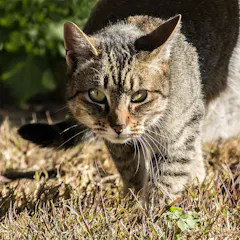
Feral cats are estimated to eat tens of millions of native animals each night in Australia. But what kinds of wildlife are they eating? In research published today in the Journal of Biogeography, my colleagues…
Top contributors
-

Professor in Wildlife Ecology and Conservation, School of Life & Environmental Sciences, Deakin University
-
Honorary Research Fellow, University of Sydney
-
Professor in Terrestrial Ecology, Deakin University
-
Professor in Evolutionary Biology, Macquarie University
-
Professor of Wildlife Conservation, University of Tasmania
-
Professor Emeritus in Terrestrial Ecology, University of Sydney
-
Professor in Environmental Science, Charles Darwin University
-
Professeur, UMR ISYEB (Institut de Systématique, Évolution, Biodiversité), Muséum national d’histoire naturelle (MNHN)
-
Director of the Wildlife Crime Research Hub, Australian Research Council Industry Laureate Fellow, Adelaide University
-
Professor of Conservation Biology, Charles Darwin University
-
Associate Professor, Global Ecology, University of Sydney
-
Research Director CSIRO Health & Biosecurity, CSIRO
-
Professor in Zoology, James Cook University
-
Lecturer in the School of Applied Sciences, Edinburgh Napier University
-
Adjunct Professor, The University of Western Australia