
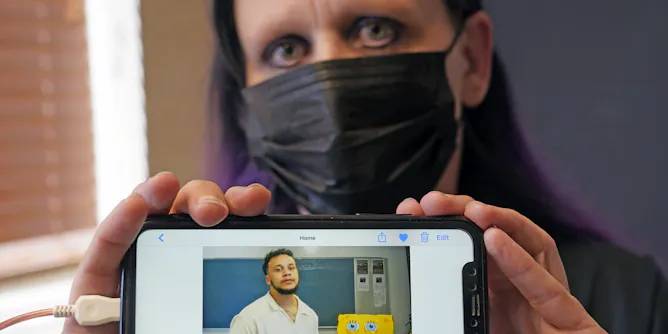
For the 6.5 million Americans who have an incarcerated family member, COVID-19 has made an already stressful situation much worse by drastically limiting communication and raising fears of death.
Articles on Incarceration
Displaying 81 - 100 of 134 articles

Can college professors rap their way into academic publishing? One professor makes an album to prove they can.

Christopher Havens is a prison inmate serving time for murder. He’s also a mathematics whiz who’s advocating for more math in prison as a way to improve the chances of prisoners after release.
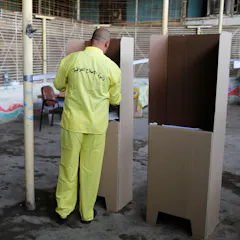
Everyone would benefit if people in prison were required to take part in elections rather than being banned, as is so often the case.
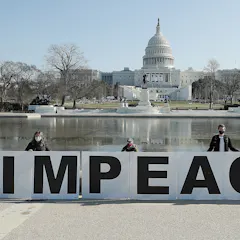
Even though a House majority voted to impeach, President Trump, the process will likely not be finished before he’s left office. A philosopher argues why the impeachment is an important moral action.
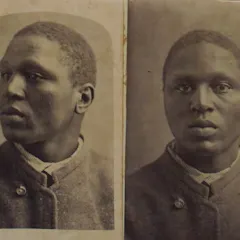
The case of an African-American sailor who arrived in Melbourne in 1887 illustrates the long history of excessive punishment of Black bodies.
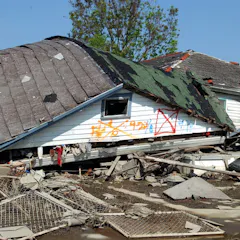
Research shows supporting newly released prisoners to move to a new area can slash reincarceration rates.
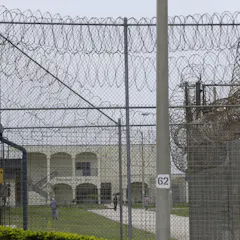
Violence in the criminal-justice system isn’t limited to police. It’s time to pay more attention to violent deaths within state prisons.

The COVID-19 pandemic is an opportunity to think critically about the place of prisons in society and how and why prisoners have been released in the past. COVID-19 could spark systemic change.
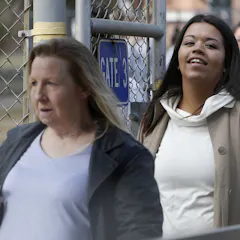
More than 40,000 restrictions, most imposed by states, leave rights, benefits and opportunities out of reach for Americans with past convictions.

In a system that treats people as objects to be counted, chained, searched and assigned a number, art is a way for prisoners to reassert their agency – and reclaim their lives.
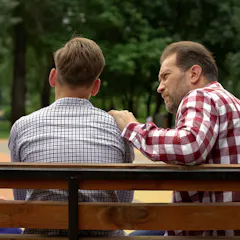
Experts recommend adopted children be told about their origins, no matter how difficult the circumstances, but doing so is tricky for adoptive parents.
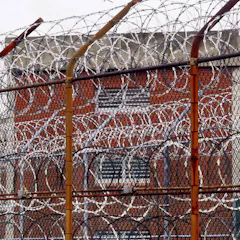
Humane measures must be taken to reduce the risks of COVID-19 to incarcerated people. But there are serious barriers to safe community reentry.
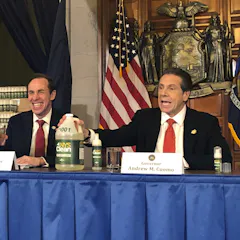
Incarcerated Americans have been tasked with washing hospital laundry, manufacturing protective equipment, disinfecting cleaning supplies and digging mass graves.
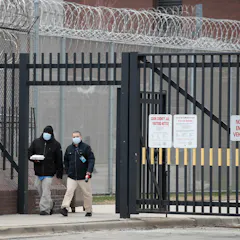
Half of incarcerated individuals have either a chronic medical or a mental health condition. But social distancing and rigorous hygiene are unattainable for many US jails and prisons.
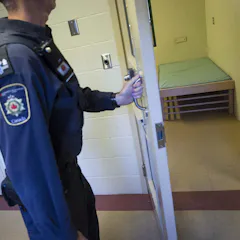
Urgently needed treatment for opioid use disorder is often denied to incarcerated people, feeding the crisis in prisons and jails.
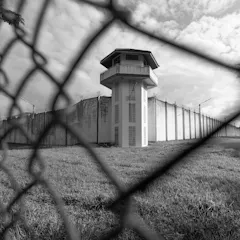
This year’s oversight report into the penitentiary system shows that long-standing problems have become entrenched in Canada’s federal prisons.

In a survey, 56% of Americans aged 14 to 24 said they knew little to nothing about the juvenile justice system.

In one year, an average 566 children between 10 and 13 were in detention. Almost 70% were Indigenous children.
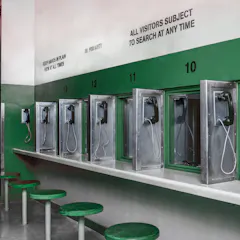
Putting more people in prison is not the answer to reducing crime. New fair and bias free assessment tools may help.
Top contributors
-

Professor of Criminology, University of Technology Sydney
-
Professor Emerita of Criminology, UNSW
-
Associate Professor of Sociology, University of Guelph
-
Senior Lecturer, Political Science and International Relations, University of Canterbury
-
Assistant Professor of Criminology & Criminal Justice, The University of Texas at San Antonio
-
Assistant Professor, Criminology, Toronto Metropolitan University
-
Assistant Professor of School Psychology, Special Education, and Sociology
-
Kenneth D. Lewis Distinguished Chair in Interdisciplinary Health Studies, Georgia State University
-
Associate Professor, Boston University
-
Professor of Law, University of Technology Sydney
-
University Distinguished Professor of Forensic Behavioural Science & Dean, School of Health Sciences, Swinburne University of Technology
-
Associate Dean and Chief Academic Officer for Nursing and Director, Project Healthy Grandparents, Byrdine F. Lewis College of Nursing and Health Professions, Georgia State University
-
Associate Professor of Political Science, Emerson College
-
Assistant Professor of Sociology, University of Houston
-
Professor in History, University of Tasmania