
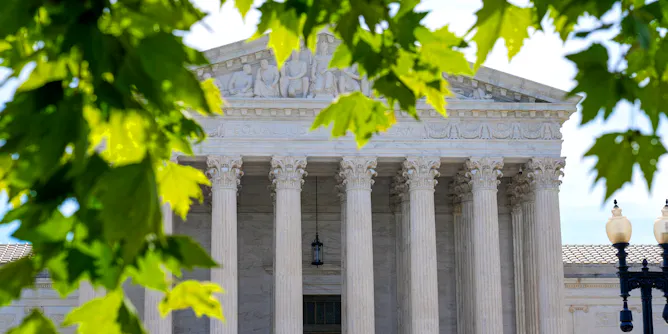
Landor v. Louisiana highlights the religious rights of the nearly 2 million people imprisoned in the US – and how challenging it can be to protect those rights.
Articles on US prisons
Displaying 1 - 20 of 51 articles
There’s a separate justice system for people under 18 because their brains are still developing. Treating them as adults can turn them into repeat offenders.
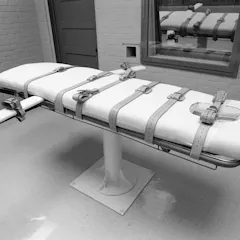
The Supreme Court has ruled that executing the innocent does not violate the Constitution, but some states allow people convicted of crimes to bring actual innocence claims.

Research shows that imposing longer sentences harms inmates and society. There are less expensive − and more effective − ways to hold people accountable and help them prepare for life after prison.
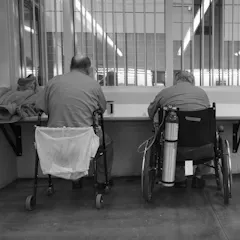
Parolees over 50 tend to have health issues and strained family ties. They’re less likely to reoffend after prison but need more help getting back on their feet.

Higher jail mortality is related to jail turnover rates and demographics.

Prisons and jails have a long history, but they weren’t always used for the same kinds of punishment.
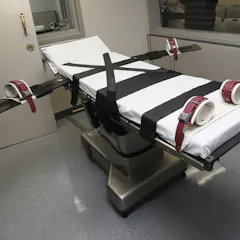
Alabama has paused the carrying out of death sentences after a series of cases in which the state struggled with the procedure.
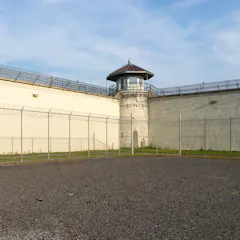
The author of a book collecting the experiences of college professors who teach in prisons explains how they are changed by the experience.
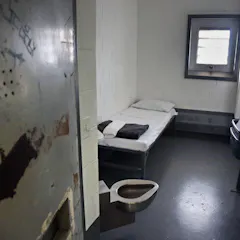
Every day, tens of thousands of American prisoners are locked up in solitary confinement. This is how that looks for those behind bars, and those guarding them.
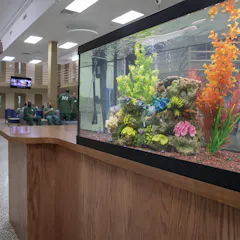
A pilot project at a Pennsylvania prison is trying out lessons from Scandinavia that could offer some ideas for reforming US prisons.
A survey conducted in Texas state prisons finds that many lack basic resources like cold water, ice and air conditioning to help incarcerated people and staff keep cool during heat waves.
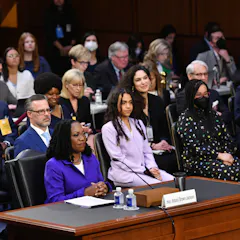
A constitutional law professor provides insight on what Judge Ketanji Brown Jackson, the first Black woman nominated to the Supreme Court, could mean for how that court works.
People who have had interactions with the criminal justice system as defendants continue to face barriers, even after paying their debt to society.
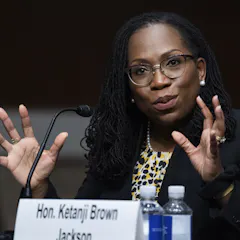
A constitutional law professor provides insight on what Judge Ketanji Brown Jackson, the first Black woman nominated to the Supreme Court, could mean for how that court works.

The Attica uprising marked a milestone in the prisoners’ rights movement. Many of the grievances aired in 1971 are still relevant to today’s incarcerated population.
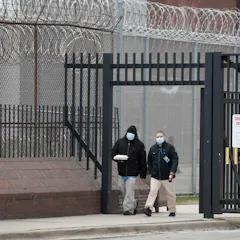
New research shows correctional officers are vectors of infection, driving COVID-19 rates both inside prisons and in their communities.
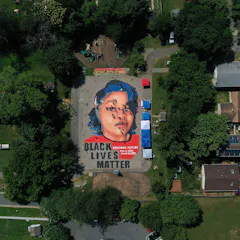
When there is nothing new to say, pegging news stories to the anniversaries of the deaths of Black Americans objectifies the victims and helps make violence ordinary.
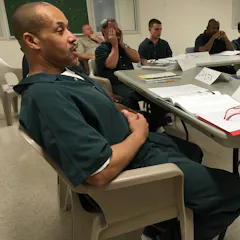
An experimental program to provide a college education in prison is about to increase its reach. Is there evidence that it will pay off?
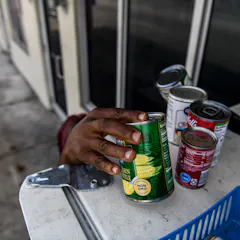
Formerly incarcerated Americans face food insecurity rates double that of the general population. A 1996 law that prohibits drug felons from getting crucial benefits may be partially to blame.
Top contributors
-

Associate Professor of Law, Rutgers University - Newark
-
Associate Professor, Boston University
-
Assistant Professor of Sociology, University of Houston
-
William Nelson Cromwell Professor of Jurisprudence and Political Science, Amherst College
-
Senior Lecturer, Center for Study of Human Health, Emory University
-
Associate Professor of Political Science, Emerson College
-
Associate Professor of Political Science, Emory University
-
Senior Lecturer in Criminology & Criminal Justice, University of South Wales
-
Associate Professor of Psychology, Yale University
-
Assistant Professor of Pediatrics and Adolescent Health, University of Minnesota
-
Associate Professor, Criminal Justice, Penn State
-
Associate Professor of American Studies, Rutgers University
-
Co-Director, Columbia University Justice Lab, Senior Research Scientist, Columbia School of Social Work, Columbia University
-
Associate Professor of Social Work, New York University
-
Professor of Criminal Justice, Sam Houston State University