
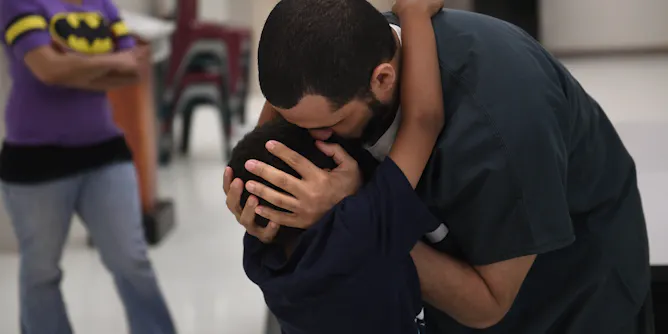
In-person visits in prisons and jails can strengthen family relationships and reduce recidivism.
Articles on Incarceration
Displaying 21 - 40 of 134 articles

Juvenile incarceration creates worse outcomes for young people and costs more than community-based treatment. So why does Philadelphia spend so much on it?

Over 2 dozen Philadelphia men shared their experiences with trauma and psychological distress as they worked to rebuild their lives after release.

Incarcerating people who use drugs is associated with increased overdose deaths after release and high rate of recidivism.

New research shows increased mental health support would help break the cycle of incarceration - and drive down recidivism.
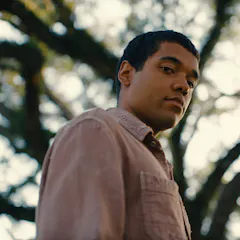
The Nickel Boys dramatises the real-life history of a segregated reform school in the segregated Jim Crow South: a front for coerced labour and scene of abuse.

Research shows that imposing longer sentences harms inmates and society. There are less expensive − and more effective − ways to hold people accountable and help them prepare for life after prison.
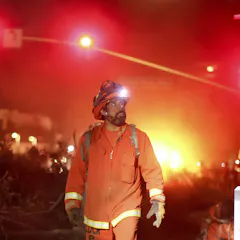
The use of prison labour in fighting wildfires caused by climate injustice is only an extension of this injustice and a continuation of indentured servitude.

More than 65% of formerly incarcerated people reported experiencing climate-related hazards, according to survey results.

The US government locked up nearly 126,000 Japanese Americans from 1942 to 1945, but never kept comprehensive records of all the people subjected to this unjustified incarceration.

Given the large amount of taxpayer dollars invested to address youth violence by incarcerating young people — and its lack of success — another less punitive option could be beneficial for everyone.
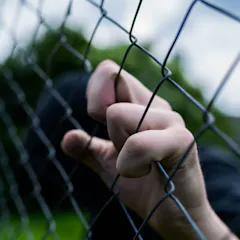
In attempts to curb youth crime, the NT government wants to lower the age of criminal responsibility, while the Coalition in Queensland wants to try children as adults for some crimes.

Social rewards, emotions and the chance to experience something new all have a strong bearing on children’s decisions in the moment — possibly more than whether it is right or wrong.

New data on Closing the Gap shows more Indigenous people are in prison, not less.

An expert on rehabilitative prison design explains how the UK’s prisons could be much better.

Traumatic brain injury can have profound long-term impact, but care is often focused on immediate symptoms. Bill C-277 aims to develop a national strategy for treatment, rehabilitation and recovery.

Along with British and Irish convicts, 627 free men, women and children were transported to the 19th-century penal colonies of Van Diemen’s Land. Their stories, mostly forgotten, are moving.
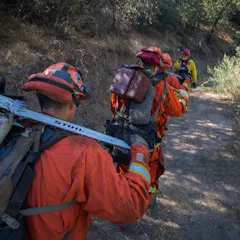
Georgia’s inmate fire crews respond to hundreds of calls in surrounding counties every year. Without them, there might not be a responder, but they aren’t universally loved – and they don’t get paid.
The new guidelines are not intended to reduce punishment but aim to reduce disparities in punishment that are linked to race and ethnicity.

Understaffing and budget cuts mean prisoners often struggle to complete rehab programmes, even when they want to. ACT’s Parole Amendment Bill risks having the opposite of its intended effect.
Top contributors
-

Professor of Criminology, University of Technology Sydney
-
Professor Emerita of Criminology, UNSW
-
Associate Professor of Sociology, University of Guelph
-
Senior Lecturer, Political Science and International Relations, University of Canterbury
-
Assistant Professor of Criminology & Criminal Justice, The University of Texas at San Antonio
-
Assistant Professor, Criminology, Toronto Metropolitan University
-
Assistant Professor of School Psychology, Special Education, and Sociology
-
Kenneth D. Lewis Distinguished Chair in Interdisciplinary Health Studies, Georgia State University
-
Associate Professor, Boston University
-
Professor of Law, University of Technology Sydney
-
University Distinguished Professor of Forensic Behavioural Science & Dean, School of Health Sciences, Swinburne University of Technology
-
Associate Dean and Chief Academic Officer for Nursing and Director, Project Healthy Grandparents, Byrdine F. Lewis College of Nursing and Health Professions, Georgia State University
-
Associate Professor of Political Science, Emerson College
-
Assistant Professor of Sociology, University of Houston
-
Professor in History, University of Tasmania