
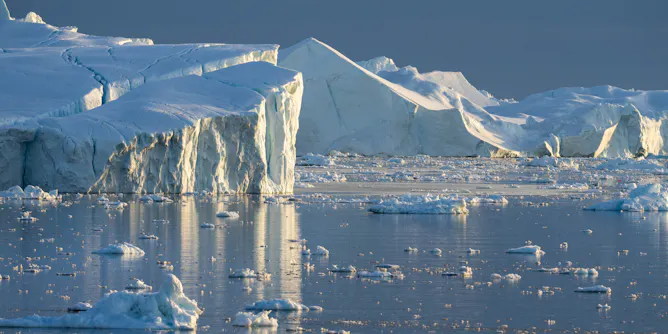
Three things define an ice age: Earth has to be cold enough for a long time, ice grows to cover significant areas, and it lasts for millions of years.
Articles on Ice Age
Displaying 41 - 60 of 100 articles
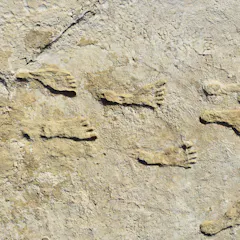
The New Mexico findings could rewrite the history of human migration to the Americas.
The Earth is constantly changing in natural ways, but most of those changes are very slow. Humans are speeding up other changes with global warming.
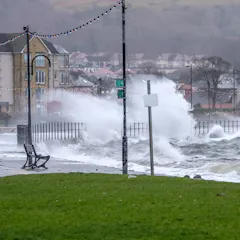
Ice Age glaciers can help us track the jet stream 12,000 ago, and by comparing its path today we can see how it’s moving northwards, changing weather patterns and indicating climate change.
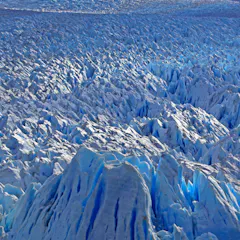
The parable of the dragons underlines the need to apprehend glacier disappearance in a transdisciplinary way, to create a dialogue between the physical, ecological and philosophical sciences.
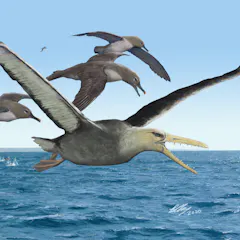
Paleontologists have discovered fossil remains belonging to an enormous ‘toothed’ bird that lived for a period of about 60 million years after dinosaurs.
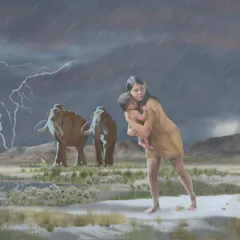
Some 13,000 years ago, an adult carrying in a child walked 1.5km in mud at great speed in the presence of hungry predators.

These findings are in stark contrast with the original worldview that suggested the entire globe was at a maximum glaciated state around 20 000 years ago.
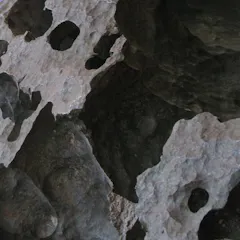
Tomanowos, aka the Willamette Meteorite, may be the world’s most interesting rock. Its story includes catastrophic ice age floods, theft of Native American cultural heritage and plenty of human folly.
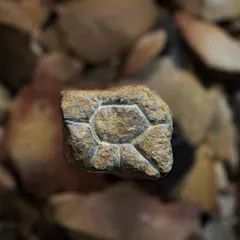
Portable artworks have never before been found in the most ancient contexts of Southeast Asia-Australasia.
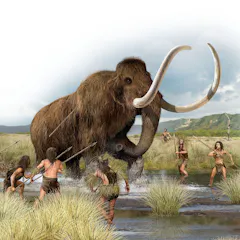
Overhunting of megafauna such as mammoths may have force us to take up farming, ultimately leading to modern society
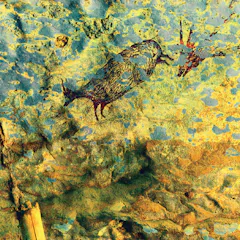
A recent cave art discovery in remote Indonesia is changing our understanding of the beginnings of art and the emergence of religious-like thinking in the early human story.
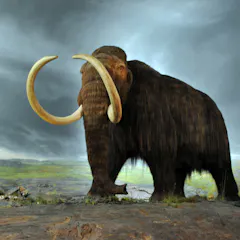
After the woolly mammoth and other megafauna became extinct, surviving animals mingled less. This has big implications for modern conservation.

Scientists have worked out a new way to scan beneath the ground for footprints – and it’s revealing traces of an ancient world.
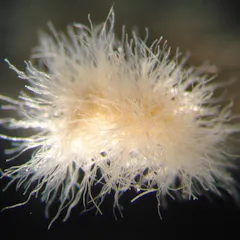
Nitrogen-fixing bacteria help tropical phytoplankton absorb carbon dioxide, creating a biological pump in the oceans.
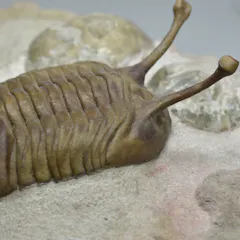
Dust from the breakup of an asteroid changed the Earth’s climate and led to an increase in marine biodiversity, study shows.
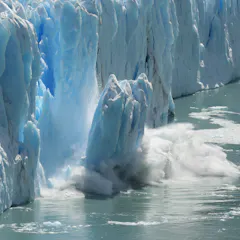
For the past two and a half million years, Earth has experienced regular ice ages, but with carbon dioxide levels now over 400 parts per million, the next ice age is postponed for a very long time.
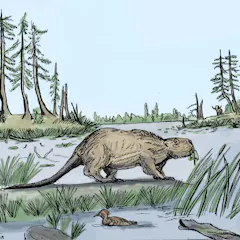
Scientists studied the fossilized bones of giant beavers to understand what they ate and whether the species could keep up with environmental change.
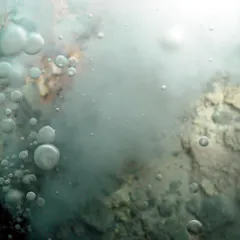
Thousands of years ago, carbon gases trapped on the seafloor escaped, causing drastic warming that helped end the last ice age. A scientist says climate change could cause this process to repeat.

The loss of the Siberian unicorn shows just how vulnerable some animals can be to environmental change that can impact on their food supply.
Top contributors
-

Professor of Environmental and Geographical Sciences, Bournemouth University; University of Reading
-
Associate Professor in Ancient DNA, University of Otago
-
Professor of Archaeology, Griffith University
-
Associate Professor in Hominin Palaeoecology, Bournemouth University
-
Professor of Natural Resources and Environmental Science, University of Vermont
-
Associate Curator, La Brea Tar Pits; Adjunct Faculty, Institute of the Environment and Sustainability, University of California, Los Angeles
-
Professor, University of Tasmania
-
Adjunct Professor in Climate Science, University of Tasmania
-
Adjunct professor, UNSW
-
Postdoctoral Fellow, Department of Zoology, University of Otago
-
Professor of Geography, School of Law and Society, University of the Sunshine Coast
-
Research Centre of Archeometry, Badan Riset dan Inovasi Nasional (BRIN)
-
Professor of Palaeobiology, University of Leicester
-
Professor of Glaciology and Earth Observation, University of Bristol
-
Professor, Climate, Oceans, and Paleo-Environments, Simon Fraser University