

A clinical trial currently underway in France could confirm that that HIV treatment can be safely reduced to just four days a week, while maintaining the same efficacy.
Articles on HIV/AIDS
Displaying 161 - 180 of 334 articles
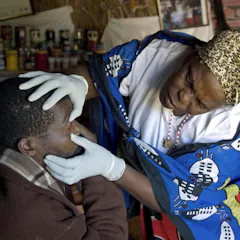
In rural areas where there are often fewer healthcare professionals available, traditional healers can have a role to play in promoting HIV treatment.

But Zimbabwe must act quickly.

Three new HIV vaccine concepts which rely on high-tech designer proteins are being trialled to see if they can stop the virus.

HIV has no boundaries. Men and women in almost every country are affected. Yet strides have been made, so much so that many are able to think of living with AIDS rather than dying from it.
Understanding where there are high numbers of new HIV infections is important to establishing whether interventions are working or not.
South Africa has made tremendous progress towards meeting the 90-90-90 targets but there are some challenges preventing it from reaching the goals set by UNAIDS.
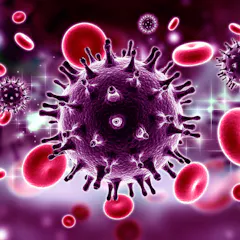
To get an effective vaccine for HIV/AIDS, scientists need to understand exactly how the virus works and immune system responds to it. African scientists have come one step closer.
Stigma stops people from getting tested for HIV, and staying on their treatment. Unless it’s addressed, the AIDS epidemic will persist.
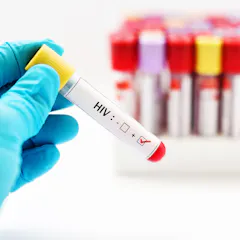
Rowe’s was a particularly harrowing case. But it raises important questions about broader attitudes to the virus.
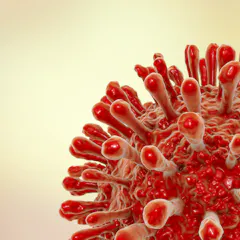
A South African child, who has been in HIV remission for nearly nine years, could help researchers understand how to make remission possible for millions of other HIV positive people.

The world’s population has reached 8 billion and is expected to climb to nearly 10 billion by 2050. Why will population growth inevitably continue? Should we try to reduce or stop this growth?

A public inquiry into the infected blood scandal will identify where fault lies, but what reparations are the courts able to provide?

A new study shows that anal cancer, caused by the virus HPV, can be successfully fought in HIV-positive men by timely treatment and HPV vaccination of lesions that may ultimately lead to cancer.

NSW has changed its laws imposing criminal penalties on someone with an STI who doesn’t take “reasonable precautions” to not infect their sexual partner.

The AIDS crisis arrived in Australia in 1982 and triggered an enormous (and successful) public health response, largely driven by volunteers. These people, often from marginalised communities in their own right, deserve recognition in Australia’s proud volunteer tradition.

The introduction of Pre Exposure Prophylaxis drugs in Kenya aims at reducing new HIV infections among people facing substantial ongoing risk.
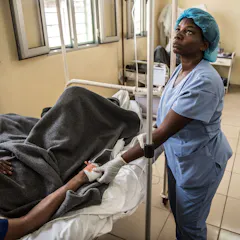
HIV remains a synonym for death in Kinshasa and many leave testing and treatment until it’s too late. It’s not common knowledge that an infected person can live a normal and healthy life.
Speaking with: Dr. John Gerrard on infectious diseases
The Conversation, CC BY-ND23.2 MB (download)
William Isdale speaks to Dr. John Gerrard about the constant threat of infectious diseases and what we can do to prevent a deadly pandemic from establishing itself in Australia.

Understanding laws that govern sex work can be complicated and confusing, especially because laws are not uniform globally, or even within each country.
Top contributors
-

Professor of medicine and deputy director of the Desmond Tutu HIV Centre at the Institute of Infectious Disease and Molecular Medicine, University of Cape Town
-
Principal Research Fellow, Australian Research Centre in Sex, Health and Society, La Trobe University
-
Distinguished Professor, Infectious Disease and Oncology Research Institute, Faculty of Heath Sciences, University of the Witwatersrand, Executive Director Perinatal HIV Research Unit, Chief Scientific Officer, South African Medical Research Council
-
Associate Professor, Public Health Ethics, School of Population Health, UNSW
-
Melbourne Laureate Professor, University of Melbourne; Director, The Peter Doherty Institute for Infection and Immunity
-
Professor of Epidemiology and Public Health, University of Malawi
-
Research Director at The Health Economics and HIV and AIDS Research Division (HEARD), University of KwaZulu-Natal
-
Assistant Professor of Nursing, University of Michigan
-
Assistant Professor of Public Health, University of Iowa
-
Professor of Anthropology, American University
-
Senior Research Fellow, Monash University
-
Behavioural Scientist, Human Sciences Research Council
-
Professor of Global Health and Director, O'Neill Institute, Georgetown University
-
Professor, School of Health Sciences, University of Northern British Columbia; University of Victoria
-
Associate Professor and Head of the Surveillance and Evaluation Program for Public Health at the Kirby Institute, UNSW