
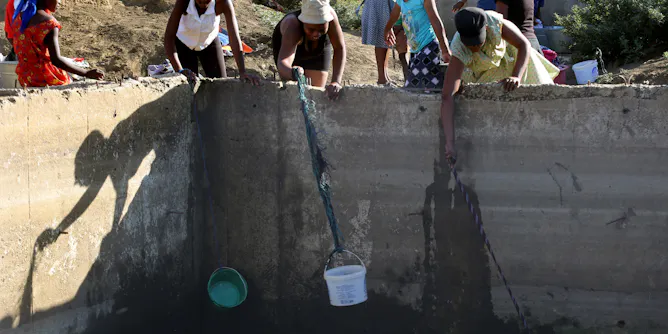
Climate change imperils food supply in many parts of the world, including South Africa, which has shown major gains in treating HIV/AIDS. Climate change could mean even less food – and more disease.
Articles on HIV/AIDS
Displaying 201 - 220 of 336 articles
There’s a growing body of evidence that shows we could be doing more for the close to billion children at risk of intestinal worms. We simply cannot afford to ignore it.

South Africa and Zimbabwe have made significant strides to roll out antiretrovirals. But the regional expansion of treatment programmes still needs work.
More than 250 000 patients at highest risk for cryptococcal meningitis but no symptoms will be screened in South Africa annually to reduce the number of deaths.
Stemming high HIV rates among adolescent girls and young women in sub-Saharan Africa has become a challenge due to the cycle of transmission.
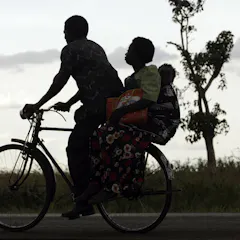
A study in Malawi shows how the participation of local community leaders in policy development can change men’s attitudes to maternal and child health for the better.

Medical circumcision in settings where there are high rates of HIV will only be successful if these interventions take into account local beliefs about circumcision.

As many as two-thirds of new infections of HIV are transmitted from main partners. Here’s why teaching couples to manage HIV in their relationships can make a difference.
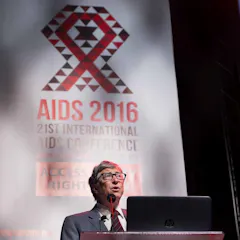
Bill Gates, who has been identified as the world’s most significant donor in the fight against AIDS, shares his thoughts on the pandemic with Africa’s most prominent HIV/AIDS academics.

When it comes to sexual health, public information has tended to focus on the young. Time for a change.

Online social networking technologies have been linked with increased risky sexual behaviour – and Swaziland is no different.
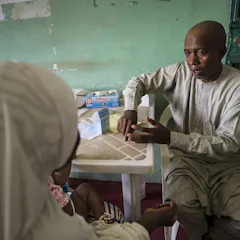
Effectively decentralising HIV and AIDS treatment services helps to improve universal health care. But in Nigeria this approach comes with many challenges.
Trials have shown that rates of HIV infection are reduced if people not infected with HIV take anti-retrovirals - known as pre-exposure prophylaxis (PrEP). But adherence to a daily dose is a problem.
The stories of HIV positive women in Tanzania often go unheard outside the communities in which they live.
For the next five years South Africa will be leading one of the latest large-scale trials for a vaccine for HIV.
The millennium development goals were laudable but the approach to achieving them was flawed. An integrated, bottom-up approach is needed if the sustainable development goals are to be met by 2030.
Precision public health has the potential to transform the global health sphere by ensuring that the right interventions are brought to the right people in the right places.
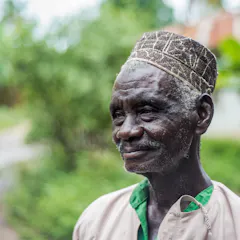
The burden of communicable disease is declining in Africa and life expectancy is increasing. But non-communicable diseases like diabetes, cardiovascular disease and cancer are wreaking havoc.

Many people with moderate to severe chronic pain find it difficult to move around. By contrast, HIV-positive people who had chronic pain are still active.

The ghost of ‘Khwezi’ – the woman who accused Jacob Zuma of rape in 2006 – continues to haunt him, just as the spectre of rape continues to haunt South Africa.
Top contributors
-

Professor of medicine and deputy director of the Desmond Tutu HIV Centre at the Institute of Infectious Disease and Molecular Medicine, University of Cape Town
-
Principal Research Fellow, Australian Research Centre in Sex, Health and Society, La Trobe University
-
Distinguished Professor, Infectious Disease and Oncology Research Institute, Faculty of Heath Sciences, University of the Witwatersrand, Executive Director Perinatal HIV Research Unit, Chief Scientific Officer, South African Medical Research Council
-
Associate Professor, Public Health Ethics, School of Population Health, UNSW
-
Melbourne Laureate Professor, University of Melbourne; Director, The Peter Doherty Institute for Infection and Immunity
-
Professor of Epidemiology and Public Health, University of Malawi
-
Research Director at The Health Economics and HIV and AIDS Research Division (HEARD), University of KwaZulu-Natal
-
Assistant Professor of Nursing, University of Michigan
-
Assistant Professor of Public Health, University of Iowa
-
Professor of Anthropology, American University
-
Senior Research Fellow, Monash University
-
Behavioural Scientist, Human Sciences Research Council
-
Professor of Global Health and Director, O'Neill Institute, Georgetown University
-
Professor, School of Health Sciences, University of Northern British Columbia; University of Victoria
-
Associate Professor and Head of the Surveillance and Evaluation Program for Public Health at the Kirby Institute, UNSW