
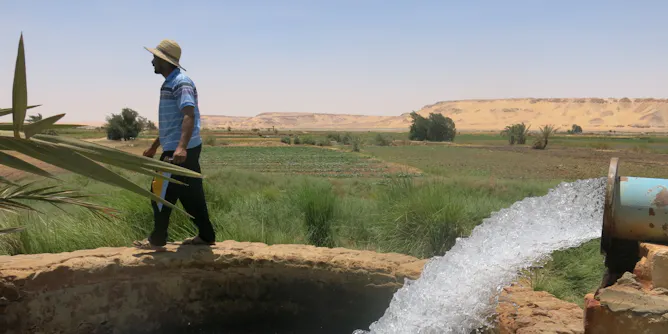
Our planet’s invaluable natural store of freshwater is woefully neglected.
Articles on Groundwater
Displaying 41 - 60 of 111 articles
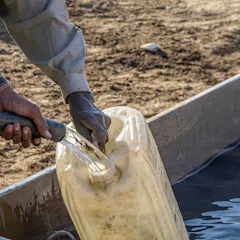
Groundwater has the potential to support broad economic, humanitarian and social development in sub-Saharan Africa, as it has in other regions globally.
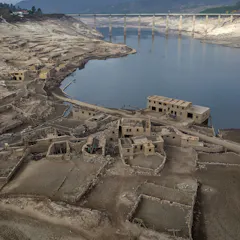
Water is central to adapting to climate change, but very few of the strategies put in place to respond to water hazards or ensure its availability have been evaluated.
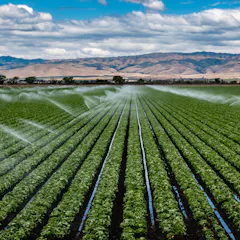
Groundwater is the second-largest store of water on Earth. Governments and industry use groundwater reservoirs to store waste, but it may also have environmental functions that haven’t been revealed.

It’s about developing a community of practice: people who can work alongside scientists, taking science out of the laboratory and into the field.
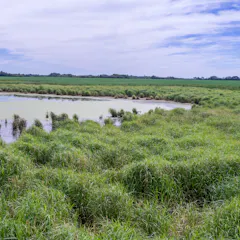
More than 40 per cent of natural wetlands in the Canadian Prairies have been lost due to drainage, and the impacts associated with this are largely unmitigated.
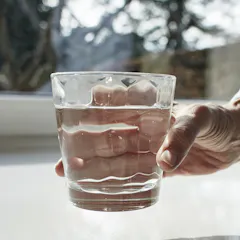
As surface water diminishes in the Western US, people are drilling deeper wells – and tapping into older groundwater that can take thousands of years to replenish naturally.
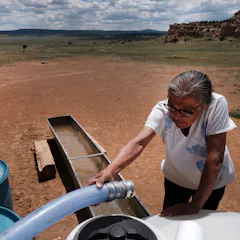
Cities and farmers in the Southwest are resorting to unsustainable strategies to pull in more water. Iran has tried many of these strategies and shows how they can go wrong.
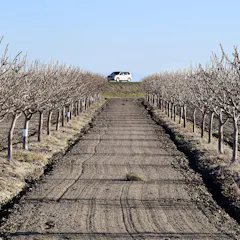
The US has one of the highest groundwater use rates in the world. When wells run dry, households may opt to conserve water, find new sources or sell and move.
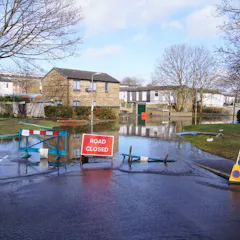
Some flood dangers can be hard to spot initially – to planners, developers and home-buyers. Sometimes, the danger comes from underground.
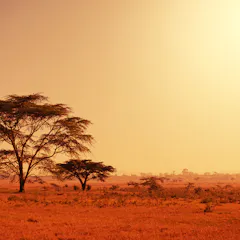
Large areas targeted for forest restoration in Africa are covered by savanna and grassland, which provide important ecosystem services that would be lost should they be converted to forests.
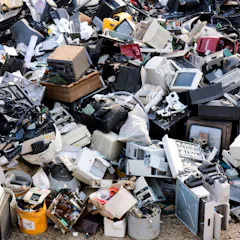
Within the growing mountains of electronic waste, precious metals lie waiting to be recovered.

A long-awaited NZ$700 million package to clean up New Zealand’s rivers and lakes has disappointed some of the government’s expert advisers – especially a delay on setting clear pollution limits.
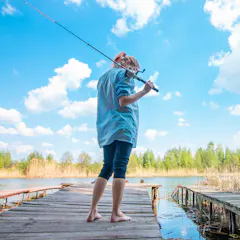
The water that replenishes groundwater, rivers and lakes is under threat from climate change, pollution and aging infrastructure.
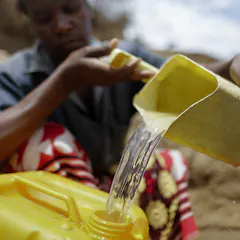
Drought-driven humanitarian emergencies can be prevented if groundwater is reliably made available at strategic locations.
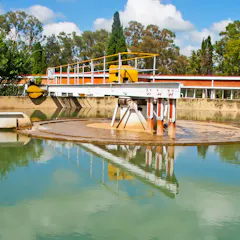
The real crisis with water supply is that South Africa doesn’t know what it doesn’t know.
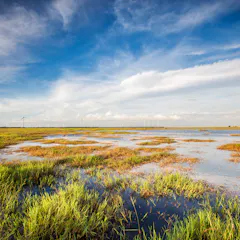
Wetlands are an important resource that needs to be taken better care of.

Government leadership is needed to manage the aquifer as a system for all, including environmental services, rather than for the powerful few.
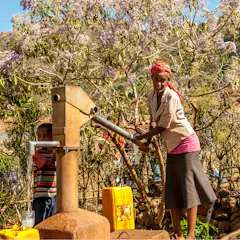
Good news – underground aquifers could be a reliable source of drinking water in sub-Saharan Africa even as the climate warms.
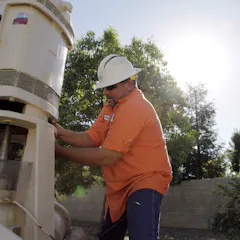
Millions of Americans rely on groundwater for their lives and livelihoods, but regulation is piecemeal. A new study maps groundwater wells nationwide and finds that they are drilling steadily deeper.
Top contributors
-

Professor of Environmental Engineering, School of Engineering, Griffith University
-
Senior lecturer, Nelson Mandela University
-
Professor, School of Biological, Earth and Environmental Sciences, UNSW
-
Professor of Earth's Water, Cardiff University
-
Associate Professor in the Centre for Environmental Management, University of the Free State
-
Associate Professor of Water Resources, University of California, Santa Barbara
-
Associate Professor of Environmental Studies, University of California, Santa Barbara
-
Associate Professor, Hydrology/hydrogeology, Flinders University
-
Professor of Hydrogeology, UCL
-
Honorary Fellow, Infrastructure Engineering, The University of Melbourne
-
Professor, Department of Hydrology and Atmospheric Sciences, University of Arizona
-
Professor, Department of Civil, Geological and Environmental Engineering and School of Environment and Sustainability, University of Saskatchewan
-
Associate Professor of Water Resources Engineering, Oklahoma State University
-
Professor of Civil & Environmental Engineering and Earth System Science, University of California, Irvine
-
Associate Professor of Civil Engineering, Boise State University; United Nations University