
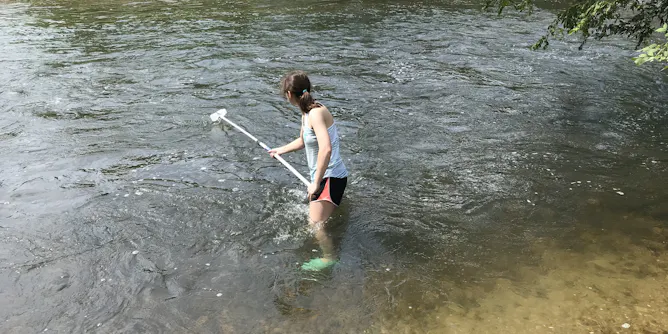
A fish-finding expedition not only detects unexpected species but also uncovers a living link to Missouri’s geological past.
Articles on Freshwater
Displaying 1 - 20 of 117 articles
Brazil holds 12% of the world’s freshwater reserves and yet growing water insecurity reveals some of the country’s deepest sanitation inequalities, which are particularly relevant to Marajó, its largest coastal island.

They’re called rock glaciers, and they might not look like much, but they’ll continue to provide meltwater after the world’s iconic white glaciers are gone.
The natural connectivity of rivers acts like a highway, helping invasive species spread rapidly throughout a catchment.
Combining more than 15,000 reports from 36 states, researchers estimate that recreational fishing puts $3 billion worth of food on Americans’ tables each year.

Urban waterways sit at the heart of the global nature crisis.
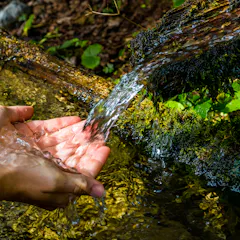
A new report shows nitrate contamination has been worsening at more than a third of monitored groundwater sites – likely because of human activities.
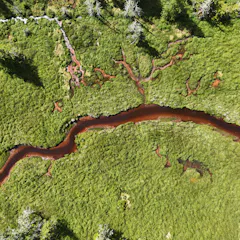
People who are trying to fish – or manage the ecosystems – in darker waters may need to adapt to different water conditions.

This year, UNESCO will conduct a fact-finding mission to decide on Wood Buffalo National Park’s World Heritage status.

Recent studies have demonstrated that eRNA, previously considered too unstable for field use, can be reliably detected in freshwater ecosystems.
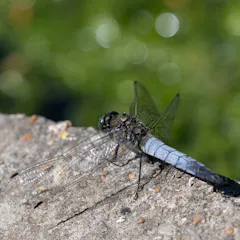
There’s a need for more surveys of macroinvertebrates in African countries.
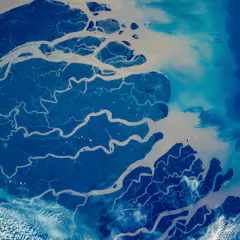
A new study is the first to define a safe operating space for the rivers of the Bangladesh delta.
To make green hydrogen, take water and split it into hydrogen and oxygen. It sounds simple – but the government’s water-use figures may be a drastic underestimate.

Flexitarian diets and breeding better livestock can make farming more sustainable. But it will take much more to farm within the planet’s limits
Accelerated resource development in Canada should not burden future generations with environmental destruction.
These aren’t abstract problems. They’re happening right now, in real communities, to real people.
Sedimentary deposits containing well-preserved diatom cells record a lake’s environmental changes. Studying them can help us understand the impacts of climate change.

A ‘new’ country wouldn’t have many more people or a much higher standard of living – but it would have a lot more natural resources.
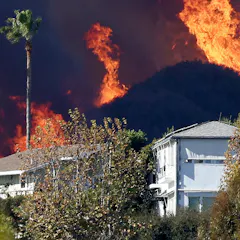
The state is seeing a sharp water divide this year, with lots of rain in the north while the south has stayed dry. A hydrologist explains what’s happening.

Scientists have assessed more than 23,000 species.
Top contributors
-

Professor, Obafemi Awolowo University
-
Canada Research Professor, Conservation Physiology, Carleton University
-
Beatrix Beisner is a Friend of The Conversation.
Professor, Aquatic ecology; Groupe de recherche interuniversitaire en limnologie (GRIL), Université du Québec à Montréal (UQAM)
-
Professor of Biology, McGill University
-
Morgan Foundation Senior Research Fellow in Freshwater Ecology and Environmental Science, Te Herenga Waka — Victoria University of Wellington
-
Professor of Hydrogeology, UCL
-
Professeur Écologie Aquatique, Université du Québec en Abitibi-Témiscamingue (UQAT)
-
Honorary Fellow in Environmental Sciences, Swansea University
-
Post-doctoral researcher, Charles Sturt University
-
Senior Lecturer and quantitative ecologist, The University of Melbourne
-
Distinguished Professor, Australian National University
-
Research fellow, Charles Sturt University
-
Conservation Planning Biologist, Wildlife Conservation Society Canada and Adjunct Professor of Conservation Biology, University of Saskatchewan
-
Deputy Director, Centre for Sustainable Aquatic Ecosystems, Harry Butler Institute, Murdoch University
-
Associate Professor in Ecology, Charles Sturt University