

Years of industrial expansion have boosted water demand, with no new sources coming online since 2016. Desalination and reclaiming sewage wastewater are among the current options.
Articles on Aquifers
Displaying 1 - 20 of 31 articles
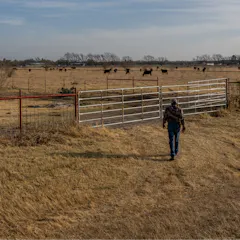
The Southern Plains states get a severe drought about once a decade, but long-lasting droughts lately have been leaving farms, rangeland and water sources with too little time to recover.
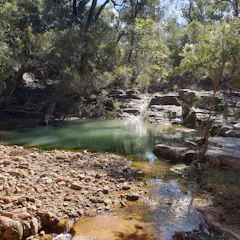
For too long, Indigenous perspectives have not been heard in groundwater science. We must work together to protect Australia’s precious groundwater.
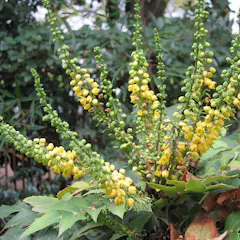
The people who manage America’s aquifers, wetlands, shorelines and recreation areas rely on federal science as they face new and rising risks in a changing climate.
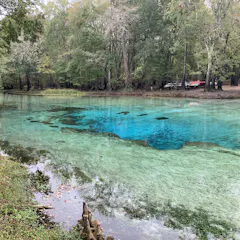
Florida’s springs are a window into the state’s groundwater system. Revitalizing them will require multiple solutions tailored to each spring.

Current science communications in Cape Town are not serving the public well.

In Canada, groundwater is generally abundant and lakes are ubiquitous. But the exchanges between groundwater and lakes are complex and often invisible.
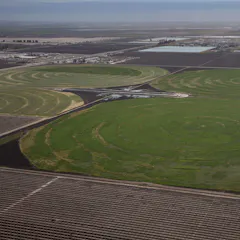
Rapid and accelerating groundwater level declines are widespread in dry climates where groundwater is used for irrigation. But some communities have found ways to turn things around.
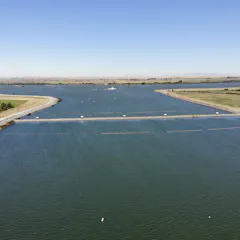
Saltwater intrusion is bad for human health, ecosystems, crops and infrastructure. Here’s how seawater can move inland, and why climate change is making this phenomenon more frequent and severe.

We need a radical rethink of water resource planning. Strategies should include reusing water and moving water physically to water-scarce areas.
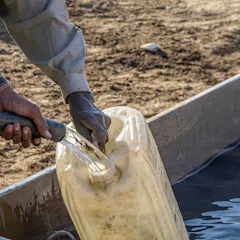
Groundwater has the potential to support broad economic, humanitarian and social development in sub-Saharan Africa, as it has in other regions globally.
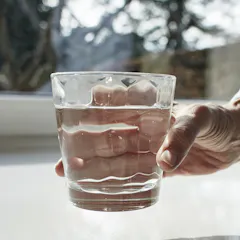
As surface water diminishes in the Western US, people are drilling deeper wells – and tapping into older groundwater that can take thousands of years to replenish naturally.
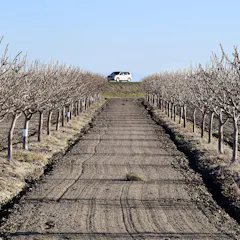
The US has one of the highest groundwater use rates in the world. When wells run dry, households may opt to conserve water, find new sources or sell and move.
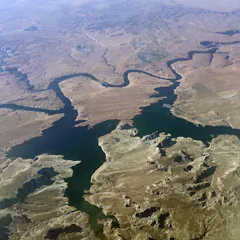
The Supreme Court recently dealt defeat to Florida in its 20-year legal battle with Georgia over river water. Other interstate water contests loom, but there are no sure winners in these lawsuits.
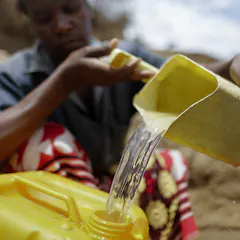
Drought-driven humanitarian emergencies can be prevented if groundwater is reliably made available at strategic locations.
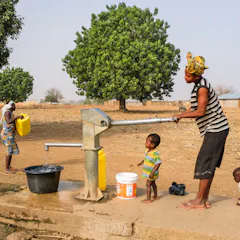
Many African countries tend to mismanage their groundwater resources.
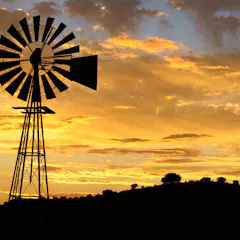
Groundwater is often seen as a resource that never runs out. This isn’t true.
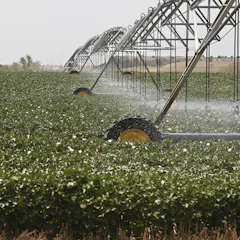
The Ogalalla Aquifer is a vast underground lake that irrigates farms across the US Great Plains. It took thousands of years to fill, but human use could drain it in roughly a century.
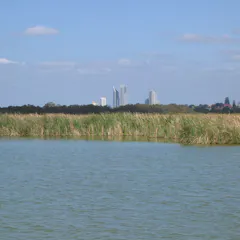
Perth, unlike Cape Town, faces no prospect of its tapwater running out. But other problems lurk beneath the surface, as the city’s drying climate puts increasing pressure on irrigation and wetlands.
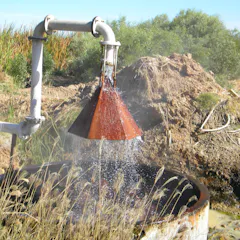
Groundwater is out of sight, but it shouldn’t be out of mind. As cities struggle to cope with drought, we should remember that our largest stocks of water are hidden deep underground.
Top contributors
-

Senior lecturer, Nelson Mandela University
-
Associate Professor of Water Resources, University of California, Santa Barbara
-
Associate Professor of Environmental Studies, University of California, Santa Barbara
-
Visiting Professor, King's College London
-
Research scientist, Australian National University
-
W. M. Keck Professor of Environmental Analysis and History, Pomona College
-
Associate Professor, Associate Chair of Graduate Studies for Environmental Engineering, and Canada Research Chair in Stormwater and Low Impact Development (Tier II), Carleton University
-
Doctoral Researcher, Department for International Development, University of Sussex
-
Adjunct Professor, The University of Western Australia
-
Professor, School of Biological, Earth and Environmental Sciences, UNSW
-
Honorary Fellow, Infrastructure Engineering, The University of Melbourne
-
Adjunct Research Fellow, Griffith University
-
Research Fellow, Melbourne School of Government, The University of Melbourne
-
Associate Professor, University of Colorado Boulder
-
Research Scientist: Land and Water, CSIRO