
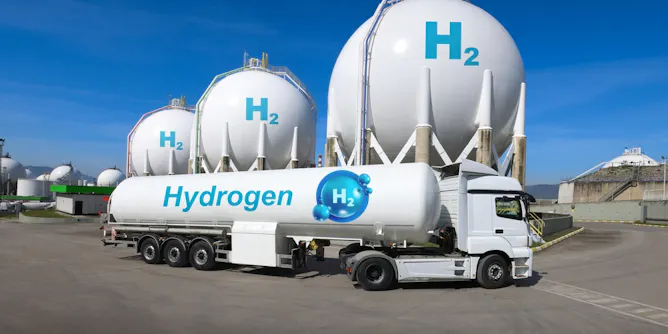
Green hydrogen is made from water and renewable energy and could be produced quite cheaply in Zambia using the hydropower and solar-based national grid.
Articles on Green transition
Displaying 61 - 80 of 148 articles
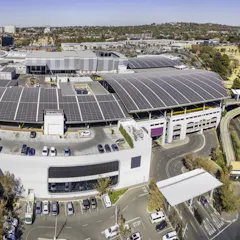
South Africa’s big companies, hospitals and universities have millions of square metres of rooftop space that is suitable for generating solar power.

Solar energy adoption is booming in South Africa, but it’s mostly benefiting wealthier, white communities.
Community Wealth Building offers a new model for economic development that can be at the heart of the UK’s transition to net zero

South Africa has secured pledges of R218 billion to fund its transition away from coal-fired power and bring in renewable energy.
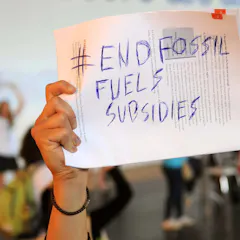
South Africa subsidises fossil fuel companies to the tune of R118 billion (US$6.2 billion) a year. As G20 president, South Africa must push to end these subsidies.
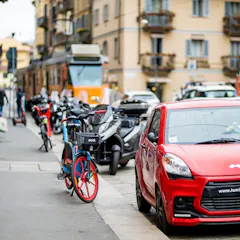
Transport apps and self-driving cars are on the rise, but mobility needs to fit the way people actually live.
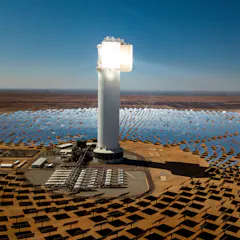
South Africa’s ambitious renewable energy masterplan has been approved, but will need huge funding and co-ordination between government departments.

The best net zero solutions galvanise people and make policy relatable. By giving communities a sense of agency, successful transformation is more likely.
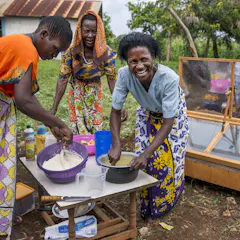
Ubuntu feminism – the idea that everyone is obliged to care for each other’s wellbeing – should become a central focus of the renewable energy rollout in Africa.
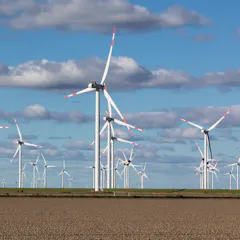
The transitions directly clash in some areas, especially their impacts on workers’ rights.

Is the government’s $2.4 billion package of assistance for Whyalla going to be money well spent?

Wealthier South Africans, particularly those in urban areas, are more optimistic about emerging technologies than those in low-income and rural areas.
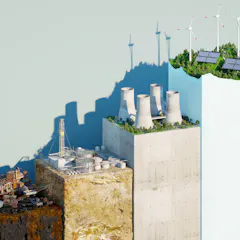
African countries must start manufacturing their own renewable energy systems. Green industrialisation will boost the continent’s economic development.

Selling power from your EV back to the grid is now possible. Early adopters say it’s not simple – but change is coming
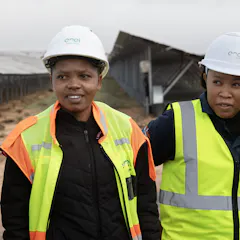
The South African government has not invested enough for renewable energy to contribute to long-term economic growth.
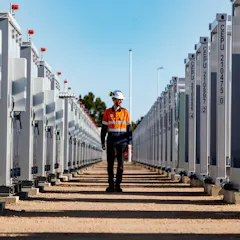
Everyone knows the sun doesn’t shine at night. That’s where firming technologies help, by stabilising the grid and storing cheap power for later
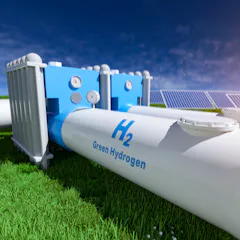
Chemical engineering specialists have mapped out the risks for South Africa in setting up a multi-billion dollar green hydrogen industry.
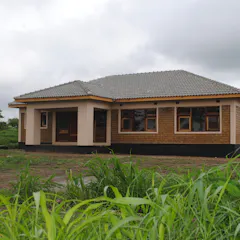
In Zambia, a project using local materials to build houses, instead of imported steel and concrete, resulted in benefits for small businesses and artisans.
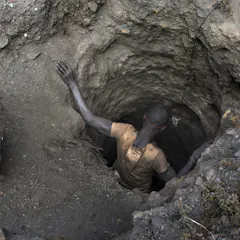
Lubumbashi is little known, but its minerals electrified the world, created atom bombs and are key to greener energy, the defining geopolitical issue of our time.
Top contributors
-

Professor in Mechanical and Mechatronic Engineering, Stellenbosch University
-
Senior Lecturer, Africa Energy Leadership Centre, University of the Witwatersrand
-
Lecturer in Sustainability and Fellow of Indo Pacific Research Centre, Murdoch University
-
Professor of Economics, University of Pretoria
-
Visiting Adjunct Professor, African Energy Leadership Centre, Wits Business School, University of the Witwatersrand
-
Professor of Industrial Strategy & Regional Development, Co-Director Centre for Governance, Regions and Industrial Strategy (CGRIS), University of Bath
-
Researcher in Environmental Science, Rhodes University
-
Professor of Business Economics, University of Birmingham
-
Professor and Head of the Department of Geography, Geoinformatics & Meteorology, University of Pretoria
-
Director, Columbia Center on Sustainable Investment, Columbia University
-
Senior Research Associate, University of Johannesburg
-
Climateworks Centre Country Lead, Australia, Monash University
-
Research Specialist, Faculty of Economic and Management Sciences, University of Pretoria
-
Professor of Operations Management, University of Bristol; University of Bath
-
Professor and Director, Victoria Energy Policy Centre, Victoria University