
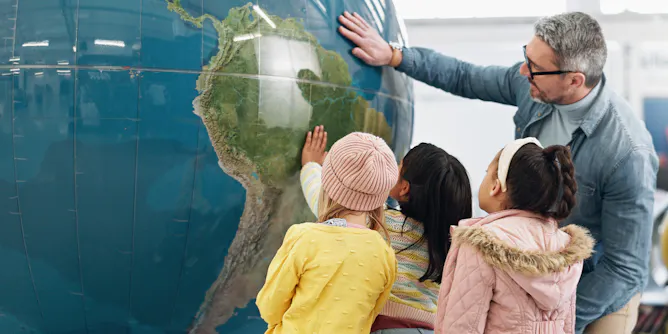
Ensuring that all young people develop strong climate and nature literacy will be essential for both personal resilience and national prosperity.
Articles on Green transition
Displaying 41 - 60 of 148 articles

South Africa’s G20 presidency highlighted climate action and just energy transitions.
Wastewater heat recovery, which recycles hot water from drains to preheat new water, could cut coal use, lower carbon emissions, and create local jobs in Zambia.

Decarbonisation is not just about changing fuels. It involves a change in our pace of living and adjusting expectations.
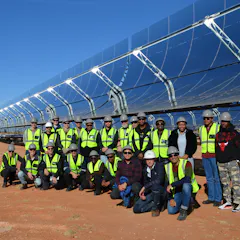
India links new rural power lines to solar projects, providing cleaner energy for farms, while South Africa has ways for communities to benefit from green energy profits.

Mine water district heating schemes provide an opportunity to involve communities in their energy futures.

New fees could stall the transition to more environmentally friendly vehicles.
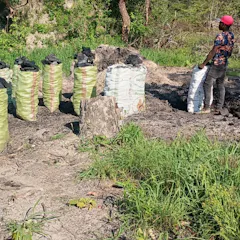
In rural Zambia, solar power has brightened lives, but communities living next to forests can only pay for it by cutting down trees, putting forests at risk.
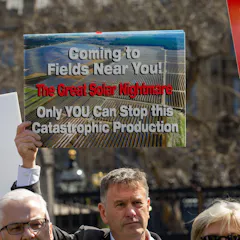
Reform UK is exploiting opposition to solar panels – but most farmers are more worried about climate change.
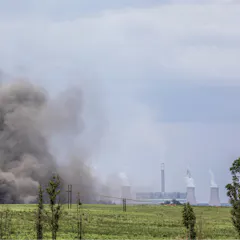
South Africa’s coal mines seem to be leaking far more methane than official records show.
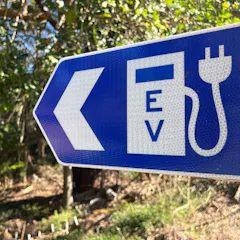
To boost the slow uptake of EVs in Australia, authorities have focused on expanding the charger network and ensuring chargers are online. But this won’t be enough.
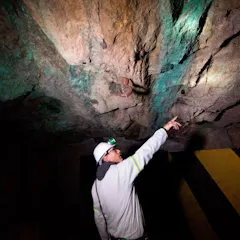
The competition for Africa’s critical minerals between China and the West presents an opportunity.

Neurodivergent people can remain invisible and undervalued in a booming job market.

In advance of the release of the 2025 UK critical minerals strategy, the excitement for onshoring mining cannot ignore local experiences.
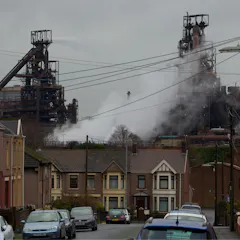
When net zero leaves communities behind, people get angry.
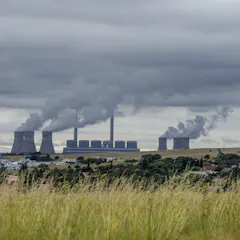
South Africa’s new climate targets cut emissions only modestly by 2035; a cautious path risks missing green investment, even though deeper cuts are within reach.
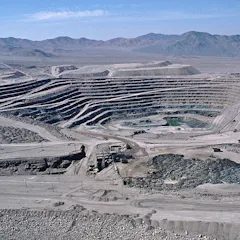
Zimbabwe has large lithium deposits but most is extracted by multinational companies and exported raw. The country doesn’t benefit from lithium battery sales.
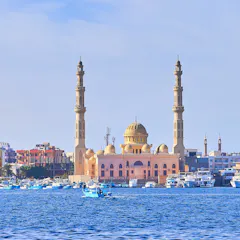
Egypt has always relied on the River Nile for its freshwater but needs new sources to cope with a growing population. Desalinating seawater could be a solution.

There’s a long list of green skills that women across Africa need so that they can get jobs and start businesses that help the world adapt to climate change.
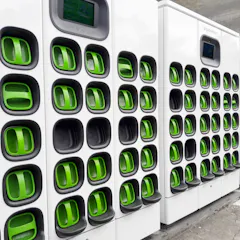
Electric vehicles are expensive and yet to take off in South Africa. Wind and solar powered battery swapping stations could help motorists make the switch.
Top contributors
-

Professor in Mechanical and Mechatronic Engineering, Stellenbosch University
-
Senior Lecturer, Africa Energy Leadership Centre, University of the Witwatersrand
-
Lecturer in Sustainability and Fellow of Indo Pacific Research Centre, Murdoch University
-
Professor of Economics, University of Pretoria
-
Visiting Adjunct Professor, African Energy Leadership Centre, Wits Business School, University of the Witwatersrand
-
Professor of Industrial Strategy & Regional Development, Co-Director Centre for Governance, Regions and Industrial Strategy (CGRIS), University of Bath
-
Researcher in Environmental Science, Rhodes University
-
Professor of Business Economics, University of Birmingham
-
Professor and Head of the Department of Geography, Geoinformatics & Meteorology, University of Pretoria
-
Director, Columbia Center on Sustainable Investment, Columbia University
-
Senior Research Associate, University of Johannesburg
-
Climateworks Centre Country Lead, Australia, Monash University
-
Research Specialist, Faculty of Economic and Management Sciences, University of Pretoria
-
Professor of Operations Management, University of Bristol; University of Bath
-
Professor and Director, Victoria Energy Policy Centre, Victoria University