
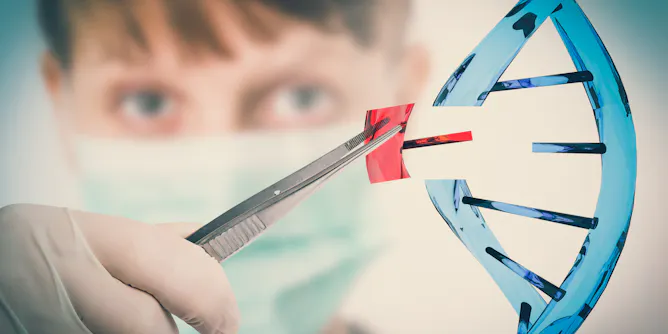
16p11.2 deletion or duplication syndrome occurs in three out of every 10,000 people.
Articles on Genetics
Displaying 321 - 340 of 760 articles
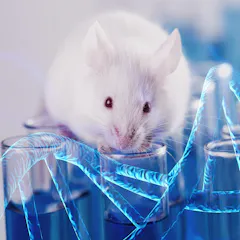
When geneticists create mice with special traits, there is no way to be sure that they will be inherited by the offspring. But a new genetic tool called a gene drive may fix the problem.
Most cases of breast cancer are related to environmental causes. When we talk about climate change, we must not forget this part of the story.
Scientists edge closer to truly personalised medicine thanks to advances in genome sequencing.
Discovering a genetic basis for erectile dysfunction that is linked to Type-2 diabetes will make it easier to identify those at risk – and novel treatments.
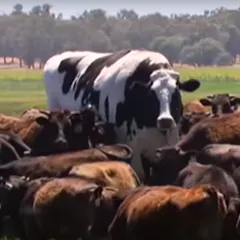
An Australian steer named Knickers broke the internet this week. The heavyweight Holstein-Friesian weighs as much as a small car, but genetically speaking he’s within the normal range (just).
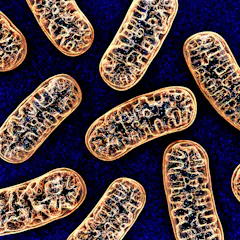
We previously thought mitochondrial DNA could only be passed on by mothers.

How did you start today – tea or coffee? Or neither? A study of more than 400,000 men and women links specific genes for tasting bitter flavours like caffeine with hot beverage consumption.

Genetic research on human behaviour has long been linked with eugenics and continues to attract interest from far-right groups.

Every human carries an instruction booklet with a very special code, called DNA. Our eyes cannot read the code, but our bodies can. The code tells our body what to do and how to look.
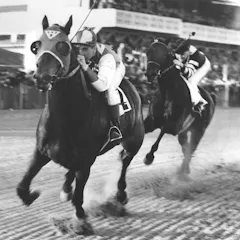
The US went crazy for Seabiscuit when he won his famous 1938 match race against War Admiral. Now researchers are investigating the thoroughbred’s DNA to see what made him such an unlikely success.
The chances of your genetic data being recorded by the state depend on who you are.

Young women are disproportionately affected by multiple sclerosis, a disease where the body attacks the brain, scrambling communication to the rest of the body. Here’s what we know about the causes.
Why is Elizabeth Warren’s DNA test so controversial with Native American groups? Two Indigenous geneticists explain the history and science behind the debate.

Genetics play a large role in how well someone does at university.
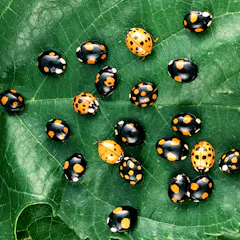
Where do the pretty colours of the harlequin ladybug come from? A single gene draws the colour patterns of this familiar insect.

As we age, our DNA accumulates damage, which can increase our risk of developing
cancer. But our cells work hard to guard against cancer – new research explains how.
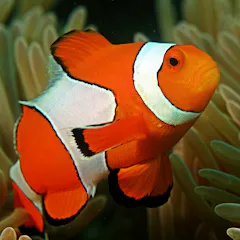
Our children all know the little clownfish Nemo, star of the Pixar film. But why does he have three stripes, rather than one or two? Developmental and evolutionary biology are revealing the answer.
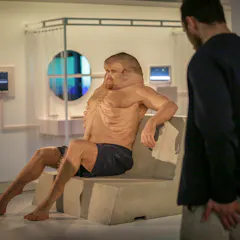
A new Science Gallery Melbourne exhibition offers a set of reflections, calculations and speculations that engage with ideas about the perfect body, mathematical precision, quantum physics and a post-human world.
Academics from different disciplines come Head to Head in this series to tackle topical debates.
Top contributors
-
 Jenny Graves is a Friend of The Conversation.
Distinguished Professor of Genetics and Vice Chancellor's Fellow, La Trobe University
-
Chair, The Conversation Media Group
-
Deputy Director, Twins Research Australia & Professor in Genetics and Cell Biology, Deakin University
-
Postdoctoral researcher in genetics, University of Leicester
-
Professor of Genetic Epidemiology, King's College London
-
Head, Molecular Medicine Laboratory, WEHI (Walter and Eliza Hall Institute of Medical Research)
-
Emeritus Professor of Animal Genetics, University of Sydney
-
Professor of Marine Biology and Aquaculture, James Cook University
-
Matthew Flinders Professor of Biodiversity Genomics, Flinders University
-
Lecturer, School of Sport, Rehabilitation and Exercise Sciences, University of Essex
-
Professor of Biogerontology, University of Brighton
-
Adjunct Professor, Murdoch University
-
Assistant Professor in Biomedical Ethics, National University of Singapore
-
Director of Bruce Lefroy Centre for Genetic Health Research, Murdoch Children's Research Institute
-
Professor, Chemistry and Biochemistry, Laurentian University