

Why was one gene mutation that affects hair, teeth, sweat glands and breasts ubiquitous among ice age Arctic people? New research points to the advantage it provided for ancestors of Native Americans.
Articles on Genetics
Displaying 361 - 380 of 760 articles
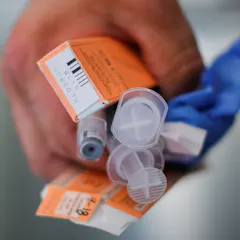
Scientists are just starting to understand how your parents’ genes and experiences might shape your own susceptibility to dangerous drugs. Could that help to stop addictions before they start?
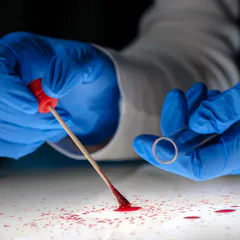
From genes to wounds, science is making it easier to establish the order of events in criminal cases.

New research shows just 1% of E. coli bacteria’s genetic mutations are lethal.
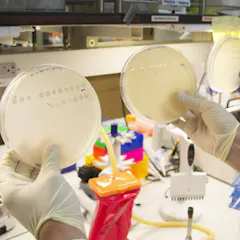
A core idea in molecular biology is that one gene codes for one protein. Now biologists have found an example of a gene that yields two forms of a protein – enabling it to evolve new functionality.
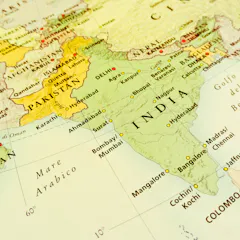
Each discipline tells us only part of the story. And so the truest picture of prehistory comes from triangulating these independent lines of evidence.

We can either take advantage of advances in technology to enhance human beings (never to go back), or we can legislate to prevent this from happening.
They were discovered over 100 years ago – but we still don’t know exactly what genes are.
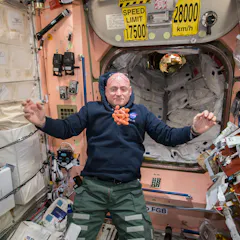
It’s been reported that astronaut Scott Kelly no longer has the same DNA as his twin brother after spending a year in space.

The genes in our cells’ mitochondria are passed on in a different way than the vast majority of our DNA. New studies shed light on how the unique process isn’t derailed by mutations.

Most men, women and children in Canada exceed the tolerable upper limits of salt for their bodies. Consumers need to understand how much salt is too much – to avoid hypertension and heart disease.
What might first seem unarguable starts to look shaky when you bring twins into the equation.
Genetic research could help us produce new ways of diagnosing and treating depression and suicidal ideation – including a ‘death smell test’.

Handedness is the tendency to prefer using one hand over the other to perform certain tasks. But how did we get this way?

Research shows that the Y chromosome may be able to protect itself from extinction in the short term. But what about in a future where we all reproduce artificially?
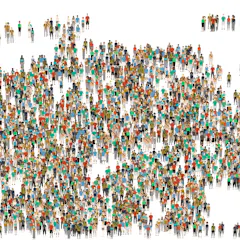
From a certain perspective, we’re already on the road to practicing a ‘progressive eugenics’ not a million miles away from what was imagined historically.
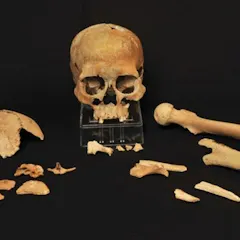
Scandinavia was populated by two main migrations, making its first inhabitants more genetically diverse and adapted to harsh climates than those in the rest of Europe.

Research shows that children attending schools with low-quality food environments, in poorer neighborhoods, gain more central body fat – putting them at risk of obesity and cardiometabolic disease.
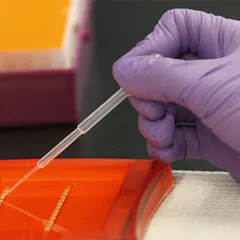
The rapid growth of genetic testing and data-gathering could revolutionize health and medicine if governments work to protect people against privacy and societal risks.
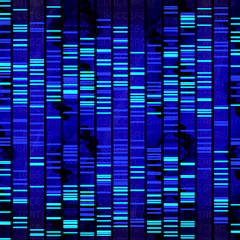
Do you own your own genetic data? The future of genomic databases is almost here, and now is the time to figure out how we are going to allow this information to be used.
Top contributors
-
 Jenny Graves is a Friend of The Conversation.
Distinguished Professor of Genetics and Vice Chancellor's Fellow, La Trobe University
-
Chair, The Conversation Media Group
-
Deputy Director, Twins Research Australia & Professor in Genetics and Cell Biology, Deakin University
-
Postdoctoral researcher in genetics, University of Leicester
-
Professor of Genetic Epidemiology, King's College London
-
Head, Molecular Medicine Laboratory, WEHI (Walter and Eliza Hall Institute of Medical Research)
-
Emeritus Professor of Animal Genetics, University of Sydney
-
Professor of Marine Biology and Aquaculture, James Cook University
-
Matthew Flinders Professor of Biodiversity Genomics, Flinders University
-
Lecturer, School of Sport, Rehabilitation and Exercise Sciences, University of Essex
-
Professor of Biogerontology, University of Brighton
-
Adjunct Professor, Murdoch University
-
Assistant Professor in Biomedical Ethics, National University of Singapore
-
Director of Bruce Lefroy Centre for Genetic Health Research, Murdoch Children's Research Institute
-
Professor, Chemistry and Biochemistry, Laurentian University