

Understanding your genes is a great way to understand certain things about yourself — yet, who we are is determined by so much more than just DNA.
Articles on Genetics
Displaying 221 - 240 of 760 articles

There’s currently no cure for the condition, which millions of women suffer with worldwide.

New research shows gene name autocorrection remains a problem for genomics articles. Here’s why it’s a wake up call for research reproducibility.
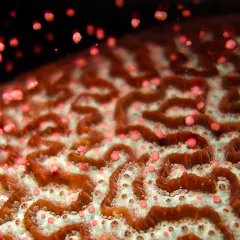
Corals in the Persian Gulf are tough - they can withstand temperatures that would kill corals elsewhere. And there’s good news: it’s easy to cross-breed their heat-tolerance genes into other corals.
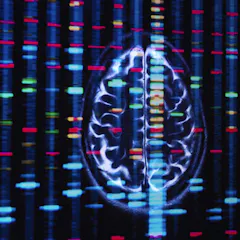
Using a technique called admixture mapping, researchers can leverage the diversity of people with mixed ancestry to look for hard-to-find genetic risk factors for diseases like Alzheimer’s disease.

The real message is how old you are when you first have sex and have your first child is controlled by a little bit of nature and a lot of nurture.
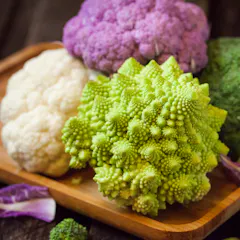
Cauliflowers are unique, and now we know why.

New analysis of Anglo-Saxon skulls suggests that being an Anglo-Saxon was a matter of language and culture, and not genetics.
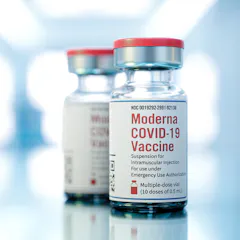
This myth is still circulating online. Here’s why the chance of this happening is next to zero.
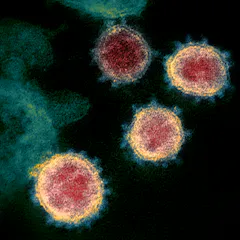
New DNA evidence shows humans may have been battling coronaviruses for longer than recorded history.

Given the central role that ethnicity played and still plays in South African politics, it is good to have an unbiased estimate of Afrikaners’ genetic history.

The first full human genome was sequenced 20 years ago. Now, a project is underway to sequence 1 million genomes to better understand the complex relationship between genetics, diversity and disease.
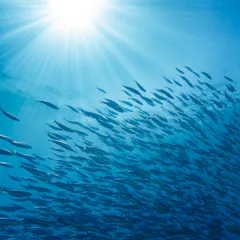
Scientists are starting to use genetic information from bacteria to measure the health of vast areas of the ocean.
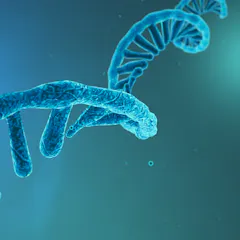
RNA was used to make COVID vaccines. Now it could lead to more personalised healthcare.
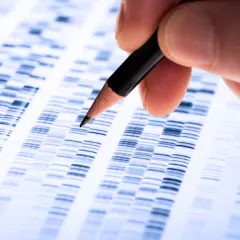
Medical education has not kept up with genetic discoveries — primary care physicians require more genetics and genomics training.
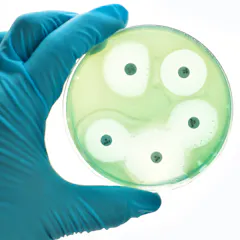
A genetic trick called an integron plays an important role in helping bacteria do this.

A parent’s or grandparent’s stressful experiences change how their offspring behave. And it turns out that moms’ experiences produce different changes in kids than dads’.

People who had experienced childhood maltreatment had higher risk of mental health problems, including depression, ADHD and schizophrenia.

The coronavirus pandemic has driven a lot of scientific progress in the past year. But just as some of the social changes are likely here to stay, so are some medical innovations.
Genes that control blood type and are involved in inflammation have been associated with more severe disease.
Top contributors
-
 Jenny Graves is a Friend of The Conversation.
Distinguished Professor of Genetics and Vice Chancellor's Fellow, La Trobe University
-
Chair, The Conversation Media Group
-
Deputy Director, Twins Research Australia & Professor in Genetics and Cell Biology, Deakin University
-
Postdoctoral researcher in genetics, University of Leicester
-
Professor of Genetic Epidemiology, King's College London
-
Head, Molecular Medicine Laboratory, WEHI (Walter and Eliza Hall Institute of Medical Research)
-
Emeritus Professor of Animal Genetics, University of Sydney
-
Professor of Marine Biology and Aquaculture, James Cook University
-
Matthew Flinders Professor of Biodiversity Genomics, Flinders University
-
Lecturer, School of Sport, Rehabilitation and Exercise Sciences, University of Essex
-
Professor of Biogerontology, University of Brighton
-
Adjunct Professor, Murdoch University
-
Assistant Professor in Biomedical Ethics, National University of Singapore
-
Director of Bruce Lefroy Centre for Genetic Health Research, Murdoch Children's Research Institute
-
Professor, Chemistry and Biochemistry, Laurentian University