
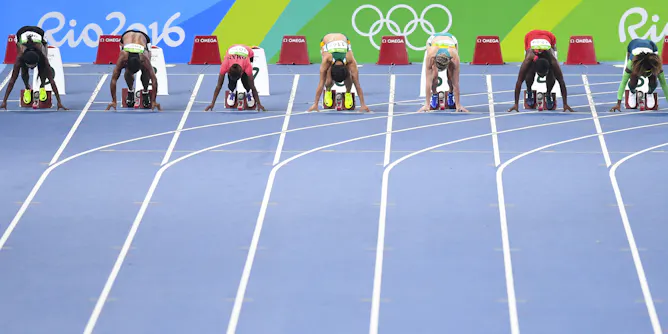
Genetic testing could help us build targeted and effective training routines for athletes, but the emerging science could also introduce opportunity for discrimination in the sporting world.
Articles on Genetic testing
Displaying 41 - 60 of 108 articles

Scientists explain why commercial gene testing should be used with caution.

We asked five experts if DNA testing was worthwhile. Four out of five said yes.

About 470,000 children in the US have epilepsy. Promising advances are being made in the field of epilepsy treatment for children.

Most common chronic diseases are the outcome of complex interactions between genetic, environmental and social risk factors, so a genetic risk score, on its own, isn’t much help.
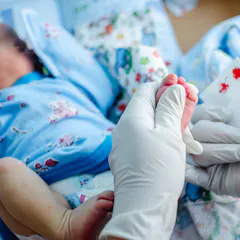
What happens when babies are born critically ill and the doctors have no idea what is wrong? Some argue that a controversial tool called whole genome sequencing may help find the cause.

New research investigated who uses the wide array of tools available to people who’ve received their own raw genetic data and want to maximize what they learn from it.
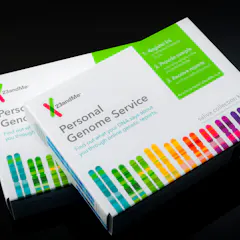
Despite privacy concerns over police use of DNA uploaded to ancestry websites, many people are just excited that their genetic material could get a killer off the streets.

Present in Asia and Australia, the origins of swamp foxtails have not always been clear. Genetic studies put uncertainties to rest.

Before you attribute a trait to a famous ancestor like George Washington or Marie Antoinette, you might want to see how much DNA you actually share with these people. It’s not what you thought.
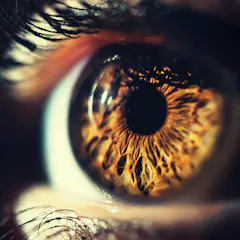
The causes of most inherited forms of blindness are unknown. Now more than 260 genes never before linked to eye development could lead to new therapies and diagnostics.

Will your marriage be better if you and your partner are genetically compatible? Is there any evidence that certain genes make someone a better or worse partner? And if so, which genes should we test?

When you share your genetic data – even with the NHS – you don’t know where it will end up, or how it will be used.

Because genetic changes that cause cause health complications can be hereditary, the information affects not only the person with the mutation but also their biological relatives.
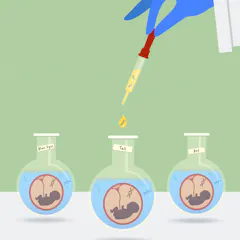
Forecasts of designer babies followed the announcement of the gene-edited twins, just as they have for any reproductive technology since 1978. This signals the public must learn more about genetics.
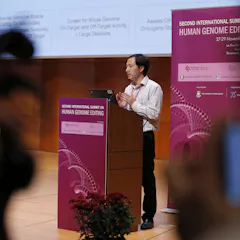
Chinese researcher He Jiankui told a spellbound audience how he created gene-edited babies. With a couple of revealing slides, we can see what he did and speculate what health problems might ensue.

The question of whether a person can “become” Aboriginal after discovering ancestry through a DNA test is more complicated in Australia.

Individuals who carry the breast cancer genes BRCA1 or BRCA2 are often unaware of the fact. That suggests that physicians need a new way to apply DNA-based screens to identify those at risk.
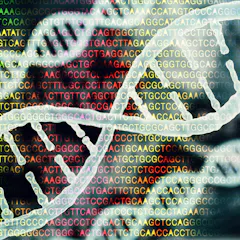
There is a need for genetic services in low and middle-income countries.

Alzheimer’s is not only the third leading cause of death in the U.S. but also the most dreaded diagnosis. Genetic testing can help determine susceptibility, but knowing whether to test isn’t easy.
Top contributors
-

Ethical, Legal & Social Adviser in Public Health Genomics, Monash University
-
Head, Public Health Genomics Program, Monash University
-
Executive Director, Melbourne Genomics Health Alliance
-
Professor of Anthropology, Deakin University
-
Adjunct Senior Research Fellow, Global and Women's Health, School of Public Health & Preventive Medicine, Monash University
-
Lorenzo and Pamela Galli Chair in Developmental Medicine, Murdoch Children's Research Institute
-
Associate Professor, School of Law, University of Canberra
-
Associate Professor in Law, University of Leicester; University of Oxford
-
Associate Professor of Law, Bond University
-
Research Professor of Epidemiology, Emory University
-
Director of Bruce Lefroy Centre for Genetic Health Research, Murdoch Children's Research Institute
-
Reader in Genetics, University of Aberdeen
-
Professor, The University of Queensland
-
Professor of Health Economics and Director, Centre for Health Economics Research and Evaluation, University of Technology Sydney
-
Professor, The University of Melbourne