
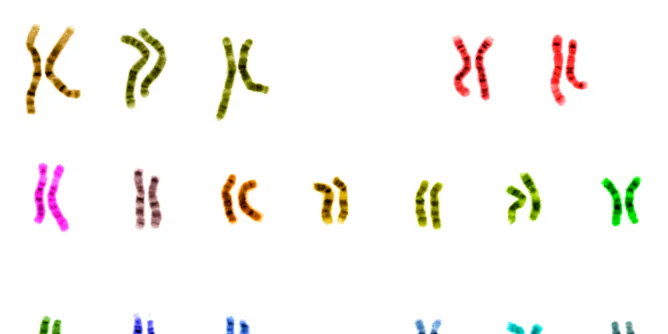
The first full human genome was sequenced 20 years ago. Now, a project is underway to sequence 1 million genomes to better understand the complex relationship between genetics, diversity and disease.
Articles on Genetic disease
Displaying 21 - 40 of 53 articles
Using ‘base editing’, researchers have cured progeria in mice. This genetic syndrome causes premature ageing in humans – those with the disease usually don’t live past the age of 13.
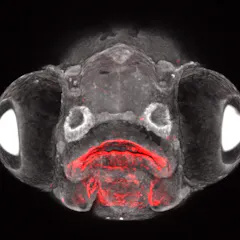
Recent studies using CRISPR to fast-track genetic studies into human disease genes appear flawed.

A rare type of inflammatory disease that causes repeated bouts of high temperatures can run in families. Here’s what we know so far.

Should Australia allow the creation of babies with DNA from more than two people? This reproductive technology could prevent babies being born with mitochondrial disease, so the simple answer is yes.

You might have heard of polycystic ovary syndrome, but what about polycystic kidney disease? This genetic disorder sees cysts growing in the kidneys.

Despite the fact that rare diseases aren’t actually so rare, it appears they suffer from a branding problem in Canada.
A Chinese scientist has revealed he edited the DNA of twin girls born through in vitro fertilization. These girls are designed to be resistant to HIV. Is the edit a medical necessity or an enhancement?
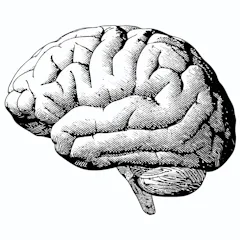
Symptoms for Huntington’s disease typically only start to be experienced in mid-adulthood.

CRISPR has been hailed as the an editing tool that can delete inherited mutations and cure disease. But recent papers suggest that the technique may be too dangerous for use in human therapies.

Specially designed computer games might improve the lives of people with Huntington’s disease.

The new Tasmanian tiger genome reveals some fascinating facts about this extinct marsupial, including why they were so similar to dogs, and how they were growing more vulnerable to genetic disease.

Cystic fibrosis, spinal muscular atrophy and fragile X syndrome are serious diseases, and most couples carrying the genetic mutations for these don’t know it. Should they all be tested?

Canadian insurance companies argue that a new law denying them access to genetic test results will raise the cost of insurance for everyone. That’s doubtful.

We still don’t know what’s behind four out of every five birth defects. But that can change.
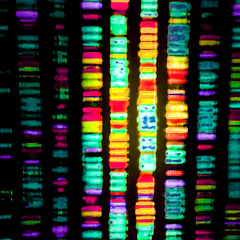
A new report from the National Academies of Science and Medicine outlines conditions that have to be met before gene editing that results in heritable genomic changes can be considered.

Experts from around the world are in the US to discuss the scientific, ethical and governance issues linked to human gene editing. Here are five reasons they shouldn’t ban research in the field.

Today is the start of World Retinal Week. Establishing retinal degenerative disorders in Africa is challenged by the unique genetic diversity of Africans.

History shows how scientists and the public tried to understand hereditary cancer risk well before we had the technology to discover mutations and test for genetic disorders.

Scientists have discovered that a single gene may reveal a weakness in the development of schizophrenia that could help doctors prevent the condition.
Top contributors
-

Professor of Bioethics, University of Sydney
-
Chair, The Conversation Media Group
-
Professor and Director, Centre for Genetic Diseases, Monash Institute of Medical Research, Monash University
-
Co-Director, Health and Policy, Brain and Mind Centre, University of Sydney
-
Postdoctoral Fellow, History of Medicine, Johns Hopkins University
-
Professor of Law & Adjunct Professor, Faculty of Medicine Dentistry and Health Sciences, The University of Melbourne
-
Research Fellow, European Cancer Stem Cell Research Institute, Cardiff University
-
Clinical Geneticist at Victorian Clinical Genetics Services and Researcher in Craniofacial Research, Murdoch Children's Research Institute
-
Professor, School of Medicine, Neuroscience Research Australia
-
Professor of Pathology, University of Pittsburgh
-
Professor of Sociology, University of California, San Diego
-
Associate Professor, Garvan Institute
-
Professor, School of BioSciences, The University of Melbourne
-
Lecturer, Cardiff University
-
Researcher, L’Université d’Ottawa/University of Ottawa