
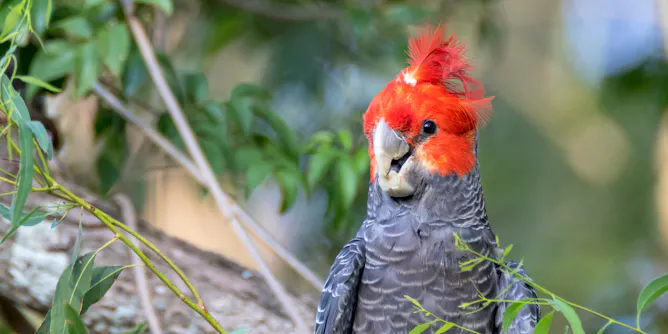
‘Shape shifting’ animals are evolving to deal with heat – by changing the size of their ears, tails, bills and other appendages.
Articles on Frogs
Displaying 41 - 60 of 108 articles
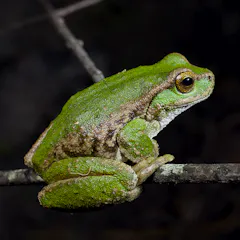
We’ve identified three frog species very likely to already be extinct. Another four species on our list are still surviving, but not likely to make it to 2040 without help.

It’s typically rare to see a dead frog. Yet, we’ve received a flurry of emails from people coming across them in this truly unusual, and tragic, mass death event.
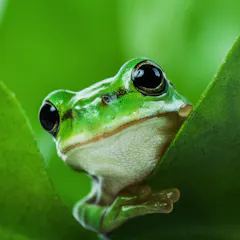
The noise from the lungs drowns out other species’ calls, letting the females hear potential mates.
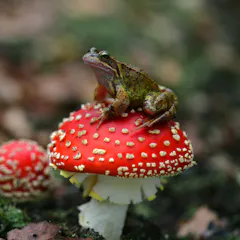
Britain’s native amphibians are in steep decline thanks to wetlands disappearing and ponds drying up.
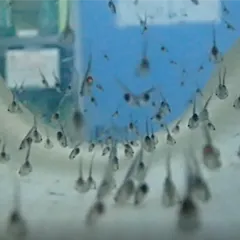
Tadpoles at the edge of the population are no more vulnerable than those at the centre.

Not all frogs ‘ribbit’ — some sound like a motorbike changing gears or a tennis ball being hit. This summer, keep your eyes and ears out for these Aussie frogs.
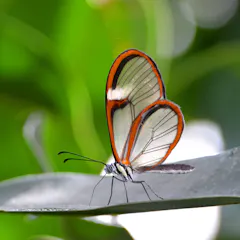
Transparency is an evolved characteristic of some species to help them survive, even when predators are staring directly at them.
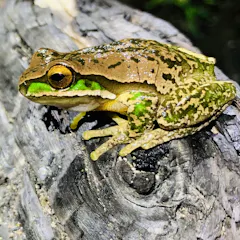
Some 45 frog species, included some rare and threatened, were recorded calling after the fires.
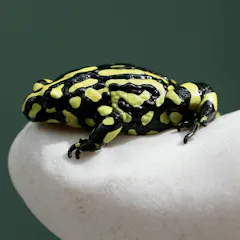
After the bushfires, we went looking for endangered corroboree frogs. Normally, they respond to our calls. But at some sites, the ponds were silent.

Frogs are harvested as food by the millions every year. A new study shows that uncontrolled frog hunting could drive some populations to extinction by midcentury.
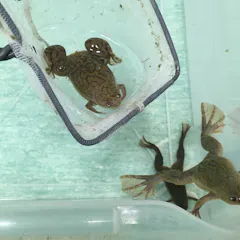
The African clawed frog is a notorious invader but it also takes some parasites with it to new regions.
Fish, frogs, turtles and platypus at major risk of extinction following the bushfires. So why aren’t they getting much attention?
CC BY-NC-ND5.67 MB (download)
Acoustic monitoring is ideal for tracking the abundance of a species over time, because it has minimal impact on the species being monitored.
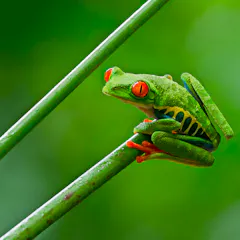
People sometimes release pets into the wild, resulting in biological invasions.
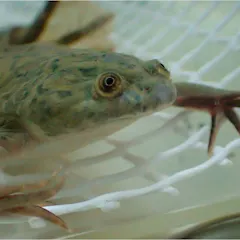
What was particularly interesting about the responses of the tadpoles was that they were similar even through they had very different evolutionary histories with the three species we chose.
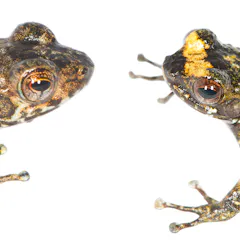
The Red List ranks species based on how threatened they are. But it can be inaccurate.

From cutting-edge research, to public education, journalism and even schoolkid scientists, Australia’s best science was on display at the annual Eureka Prizes.

The island of New Guinea is home to 6% of the world’s frogs, but if the deadly chytrid fungus invades it could cause a mass extinction.
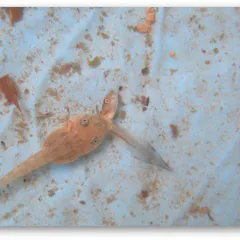
A new study reveals that it’s not only adult bullfrogs that pose a threat but their tadpoles do, too.
Top contributors
-

Curator, Amphibian & Reptile Conservation Biology, Australian Museum, UNSW
-
Senior Lecturer, School of Environment, Science & Engineering, Southern Cross University
-
Senior Researcher at the CIB based in the Department of Botany and Zoology, Stellenbosch University
-
Research Fellow in Ecology, Australian National University
-
Professor, College of Science & Engineering, James Cook University
-
The University of Melbourne
-
The University of Melbourne
-
Profesor Titular de Zoología / Associate Professor of Zoology, Universidad de Oviedo
-
Postdoctoral fellow, Stellenbosch University
-
Senior Lecturer, Griffith University
-
Australian Registry of Wildlife Health - Taronga Conservation Society Australia, University of Sydney
-
Postdoctoral research fellow, Muséum national d’histoire naturelle (MNHN)
-
Associate Professor in Zoology and Ecology, University of New England
-
Professor, Department of Biology, L’Université d’Ottawa/University of Ottawa
-
PhD Candidate, University of Wollongong