
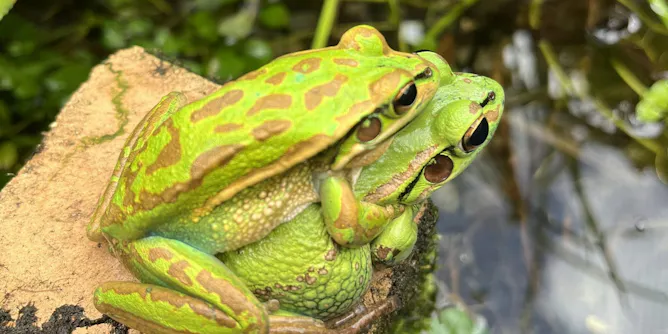
We need to carefully study what happens to frogs after we intervene to save them.
Articles on Chytrid fungus
Displaying 1 - 20 of 29 articles

Australia’s huge diversity of reptiles could be at risk from new fungal diseases.

Floods can be more damaging to frogs than bushfires, new research shows. Floods wash away eggs and habitat, and could spread devastating fungal pathogens.
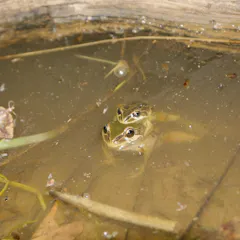
Infected male alpine tree frogs set about fathering far more offspring, helping avoid extinction in the wild – for now.
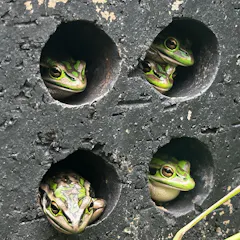
Our purpose-built “frog saunas” allow amphibians to warm up in winter and bake off chytrid infections. You can even DIY and build a frog sauna for your own backyard with our step-by-step guide.

Introduced species and diseases can drive native species into smaller environmental niches – and that could mean change to how we work to conserve them.
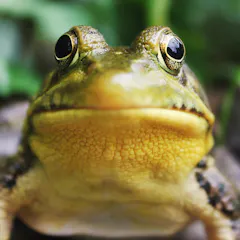
The chytrid fungal disease has been decimating frog populations worldwide for decades, and research progress has been slow. A new method for detecting the disease could help change its course.
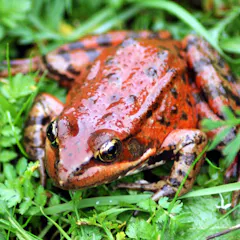
Amphibians have been devastated by a chytrid fungus pandemic. Researchers immunized California red-legged frogs in Yosemite to give them a fighting chance at survival, with surprising results.
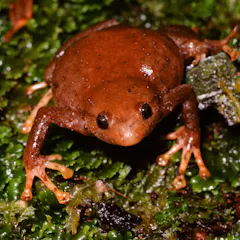
Melanesia’s tropical islands are home to at least 700 species of frogs – many with tiny ranges. We must safeguard these biological treasures.
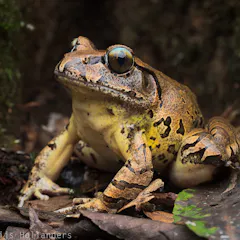
Populations of Fleay’s barred frog in Australia’s ancient rainforests were decimated by the chytrid fungus. Now, the frogs have developed a natural resistance.
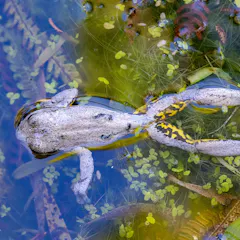
Thousands of sick and dead frogs are turning up around Australia, bizarrely lying out in the open. If you see one, let these scientists know.
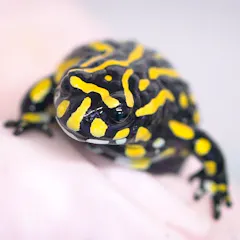
The rapid rate of species declines means we should trial potential solutions before it’s too late.
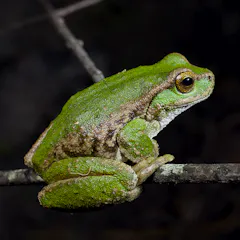
We’ve identified three frog species very likely to already be extinct. Another four species on our list are still surviving, but not likely to make it to 2040 without help.

It’s typically rare to see a dead frog. Yet, we’ve received a flurry of emails from people coming across them in this truly unusual, and tragic, mass death event.
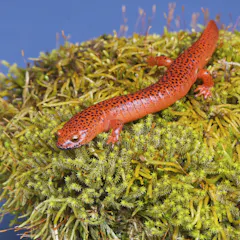
The Bsal fungus is not yet here in North America, or any place in the Western Hemisphere, but there is concern that the pet trade is the most likely route for introduction here.

The island of New Guinea is home to 6% of the world’s frogs, but if the deadly chytrid fungus invades it could cause a mass extinction.
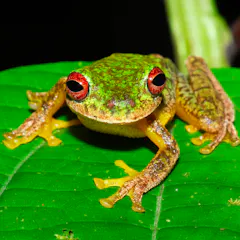
Chytrid fungus has caused declines in 501 amphibian species, according to a new analysis. Most of the damage happened in the 1980s, before the fungus itself was even discovered.
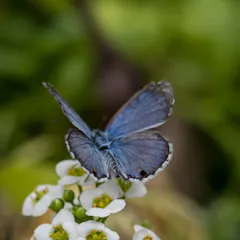
How do you pack butterflies for shipping, or frogs for an overland hike to a new habitat? Three scientists explain how they keep threatened species safe on the road and in the air.
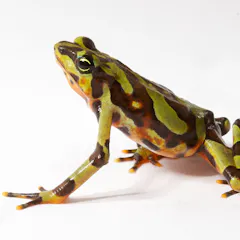
A look at new research published in 2018 on fossa, deepsea corals and tropical frogs developing resistance to a deadly fungus.
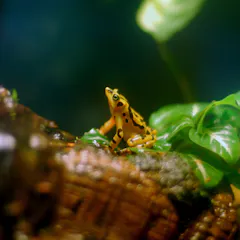
Chytrid fungus has caused a global “amphibian apocalypse,” killing frogs worldwide. Now some appear to be evolving resistance – but a closely related fungus threatens newts and salamanders.
Top contributors
-

Curator, Amphibian & Reptile Conservation Biology, Australian Museum, UNSW
-
Research Fellow in Ecology, Australian National University
-
Australian Registry of Wildlife Health - Taronga Conservation Society Australia, University of Sydney
-
The University of Melbourne
-
Professor, College of Science & Engineering, James Cook University
-
The University of Melbourne
-
Senior Lecturer, School of Environment, Science & Engineering, Southern Cross University
-
Associate Professor in Zoology and Ecology, University of New England
-
Associate Professor of Fish, Wildlife and Conservation Biology, Colorado State University
-
Associate Professor of Pathology, Microbiology and Immunology, Vanderbilt University
-
PhD Candidate, University of Wollongong
-
Professor of Fungal Disease Epidemiology, Imperial College London
-
Postdoctoral Researcher, Penn State
-
Conservation Biology Researcher, University of Newcastle
-
Assistant Professor of Natural Resources Science, University of Rhode Island