
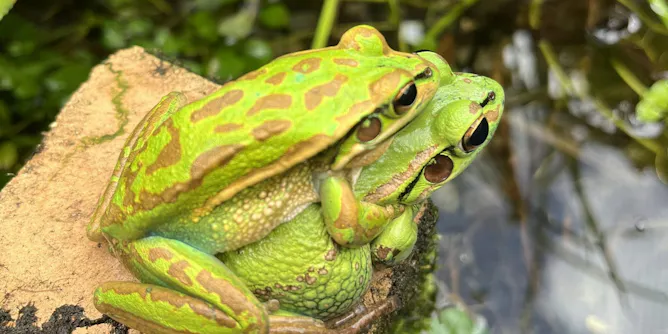
We need to carefully study what happens to frogs after we intervene to save them.
Articles on Frogs
Displaying 1 - 20 of 108 articles
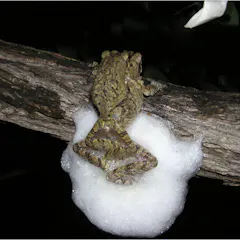
Mating with many males means more viable nests and improved offspring survival or performance for African Grey Foam-Nest Treefrogs.
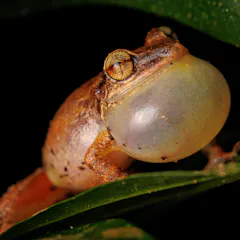
A new study tracks how young frogs are trying to avoid a deadly fungal infection.
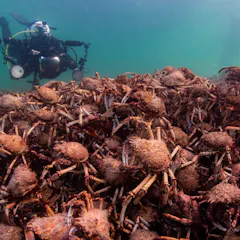
Citizen science relies on people like you. Here are five projects where science lives beyond the lab.
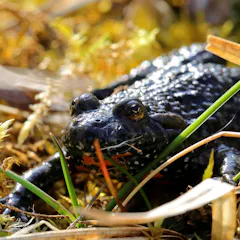
The discovery shines a light on what has, until now, been an underappreciated feature of evolution which suggests life is not so random after all.
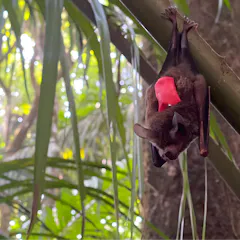
By listening in on their nightly hunts, scientists discovered that small, fringe-lipped bats are unexpectedly able to efficiently take down prey nearly their own size.

Threatened frogs aren’t just found in national parks – citizen scientists are finding them throughout private land too.

Protecting places that are likely to remain cool and moist as global temperatures rise can save wildlife of all kinds, but first we have to find them.
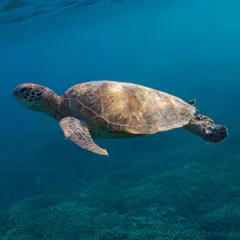
Australia is home to many endangered reptiles and frogs. This national snapshot shows their numbers have dropped sharply. But it’s possible to reverse this trend.

‘Protest costumes’ are now a category on Amazon. Protesters use them to soften their public image at a time when ICE is calling them ‘violent’ and ‘Antifa,’ showing the subversive power of humor.

Floods can be more damaging to frogs than bushfires, new research shows. Floods wash away eggs and habitat, and could spread devastating fungal pathogens.
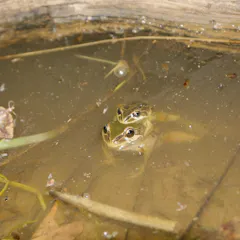
Infected male alpine tree frogs set about fathering far more offspring, helping avoid extinction in the wild – for now.
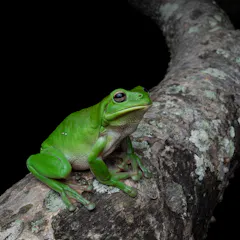
The new species is the earliest known Australian tree frog.
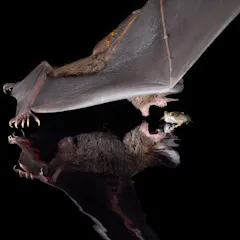
By listening to a frog call, adult bats can tell which prey are palatable and which are poisonous. Young bats must acquire this ability over time.

Scientists added descriptive terms to the existing general Indigenous frog and reptile names to make them specific.
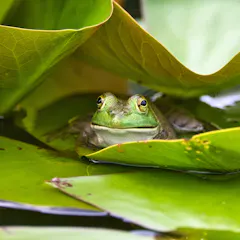
New research shows frogs and other amphibians are already on the brink of overheating in a warming world. Here’s how many will suffer as global temperatures rise.
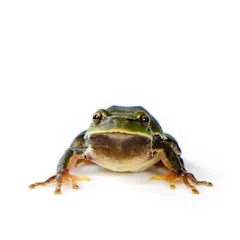
Radiation exposure does not affect the life expectancy or health of frogs living in Chernobyl’s exclusion zone.
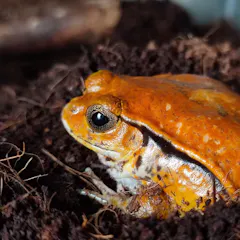
Our research figured out exactly how some frogs produce glue – and it might help us make new, innovative adhesives for surgery.

The first comprehensive overview of trade in Australian reptiles and frogs worldwide shows more species should be listed for monitoring under the international convention on wildlife trade.

New research examines how citizen science data contributes to decisions by governments and conservation organisations about which species are at risk of extinction, and how they can be conserved.
Top contributors
-

Curator, Amphibian & Reptile Conservation Biology, Australian Museum, UNSW
-
Senior Lecturer, School of Environment, Science & Engineering, Southern Cross University
-
Senior Researcher at the CIB based in the Department of Botany and Zoology, Stellenbosch University
-
Research Fellow in Ecology, Australian National University
-
Professor, College of Science & Engineering, James Cook University
-
The University of Melbourne
-
The University of Melbourne
-
Profesor Titular de Zoología / Associate Professor of Zoology, Universidad de Oviedo
-
Postdoctoral fellow, Stellenbosch University
-
Senior Lecturer, Griffith University
-
Australian Registry of Wildlife Health - Taronga Conservation Society Australia, University of Sydney
-
Postdoctoral research fellow, Muséum national d’histoire naturelle (MNHN)
-
Associate Professor in Zoology and Ecology, University of New England
-
Professor, Department of Biology, L’Université d’Ottawa/University of Ottawa
-
PhD Candidate, University of Wollongong