
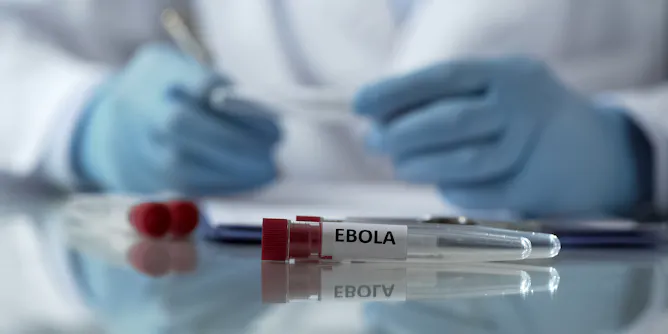
The pace of investment to manage diseases transmissible from animals to humans is dangerously slow.
Articles on Food safety
Displaying 21 - 40 of 145 articles
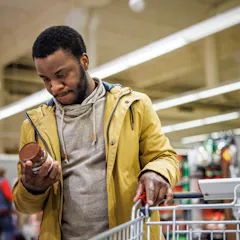
Packaged foods in Kenya are required to list ingredients, but this information can be hard to interpret.
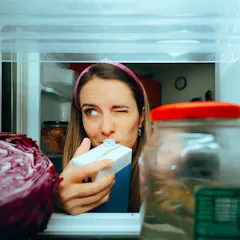
Your fridge might feel cold, but is it cold enough to stop bacteria? Over 50% of fridges run too warm, and most of us never check.

The Epidemic Intelligence Service has been a crucial tool in fighting diseases at home and abroad. Its impact would be impossible to replace.
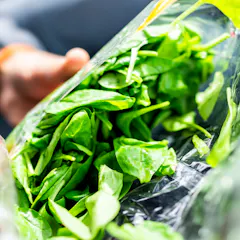
The culprit behind the recalls is ‘shiga-toxin-producing E. coli’. What do you need to know about this bacterium?

The US economy has always been a mix of government regulation and market forces. The balance between those has shifted over time, but never has one side or the other been substantively removed.
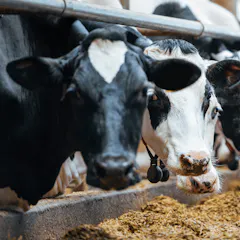
There has been an enormous amount of misinformation about Bovaer, with concerns it could make its way to humans via milk or beef. Here’s what the science says.
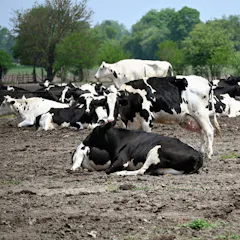
Raw milk can carry many dangerous germs − now including the H5N1 virus that causes avian flu.

But with a little preparation, you can make your next summer barbecue or picnic memorable for all the right reasons.
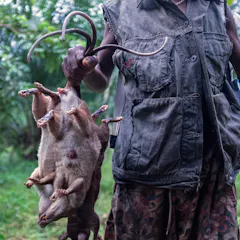
Strategies to beat a disease outbreak like mpox must start with the root causes.
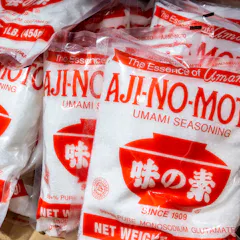
Suspicion around monosodium glutamate persists. But there is no evidence MSG is harmful, and a sprinkle in your cooking may boost its flavour while reducing your sodium intake.
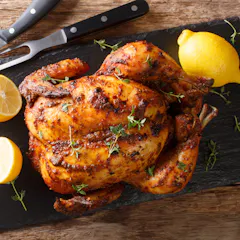
Can the virus transfer from infected farm animals to contaminate milk, meat or eggs? It depends on where you are and how well you cook your food. But for most of us, the chances are low.
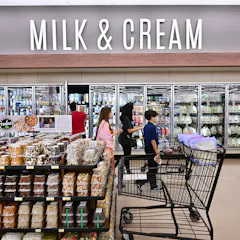
Before World War II, pathogens in milk accounted for 1 in 4 cases of foodborne diseases in the US. Pasteurization reduced this figure to less than 1%.
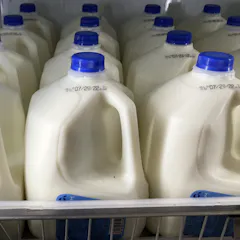
H5N1 influenza has been reported in dairy cows, and detected in milk. Here’s a look at what’s known about how pasteurization affects the virus and the safety of consuming H5N1-contaminated milk.
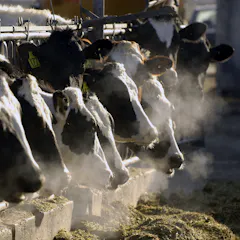
Five livestock experts who study infectious diseases in the dairy industry explain the risks.
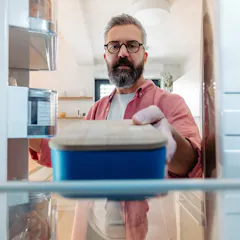
If leftovers aren’t saved and reheated properly, it could put you at risk of food poisoning.
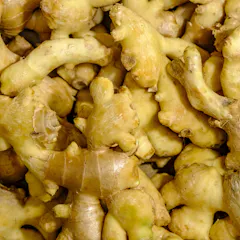
Mycotoxins contamination causes health issues. Paying attention to storage of agricultural produce can save many lives.
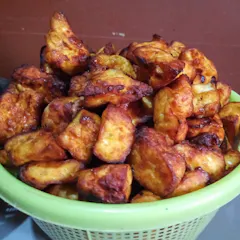
Street food is popular in Nigeria but safety is not regulated.
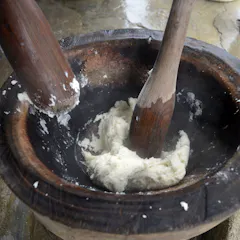
Nigeria’s soft cheese, wara, could be made more widely available with new techniques to extend its shelf life.
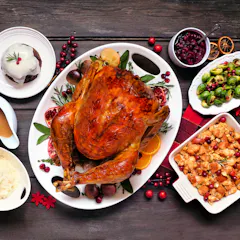
A food thermometer is your holiday feast’s unsung hero, ensuring that poultry, meats and other dishes, including vegetable-based, reach the internal temperatures needed to eliminate harmful pathogens.
Top contributors
-

Senior Lecturer in Clinical Microbiology, University of Leicester
-
Research Fellow, ZERO2FIVE Food Industry Centre, Cardiff Metropolitan University
-
Professor of Microbiology, Swinburne University of Technology
-
Professor - Department of Plant and Soil Sciences and co-director of the Centre of Excellence in Food Security, University of Pretoria
-
Associate Professor, University of Birmingham
-
Professor Food Safety Systems at the Natural Resources Institute (UK) and contributing scientist ILRI, International Livestock Research Institute
-
Professor of Advanced Technology Transitions, Arizona State University
-
Honorary Associate Professor, University of Leicester
-
Associate Professor of Veterinary Medicine, Iowa State University
-
Associate Professor in Law, Faculty of Social Sciences, University of Nottingham
-
Executive Director, Swette Center for Sustainable Food Systems, Arizona State University
-
Professor of Food Science, Clemson University
-
Policy Analyst HDR, Deakin University
-
Food microbiologist and Food safety specialist, CSIRO
-
Professor of Chinese Business and Management, University of Sydney