
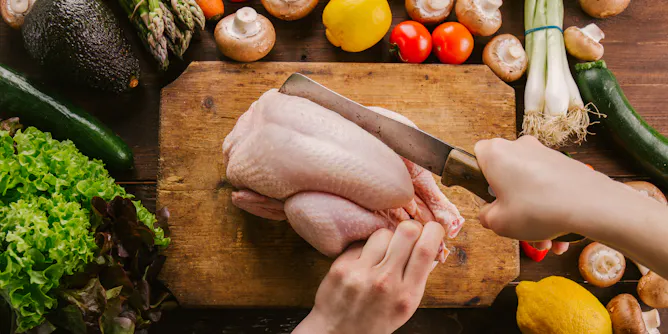
Washing chicken may actually increase your risk of cross-contamination.
Articles on Food safety
Displaying 41 - 60 of 145 articles
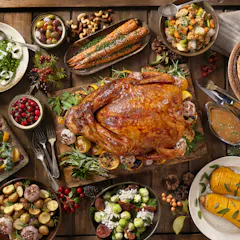
Keeping guests safe involves far more than just careful cooking − hand-washing, keeping work surfaces clean, safe handling and proper storage are also key ingredients.
The struggle with open defecation is a silent emergency, undermining the continent’s efforts towards sustainable development goals.
A microbiologist explains the risks to your health of a fly landing in your chilled glass of sauvignon blanc.
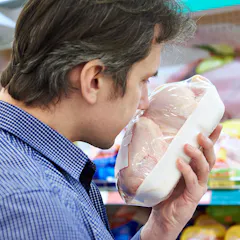
Some people like to use their sense of smell to tell if food has gone off. A food safety expert explains why that’s not a good idea.

Improving food safety in low- and middle-income countries requires a shift in thinking and practice.

Failing to understand what communities consider important greatly diminishes the responsiveness of policies to the actual needs of individuals.
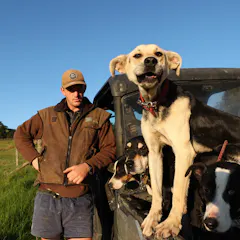
Consumers’ main concerns regarding farm monitoring are food safety, animal welfare and water quality. Many would like to see Māori values and land practices incorporated.
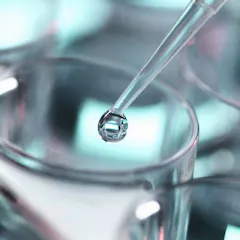
PFAS can be filtered, but getting rid of the chemicals is a monumental challenge. A biochemist and soil scientist explain.
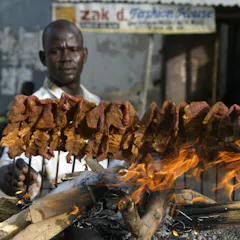
Food safety means checking the source and paying attention to hygiene and storage.
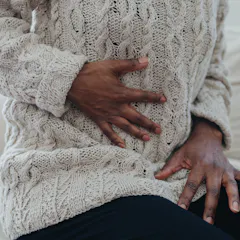
Biological and chemical substances are the most common food contaminants and account for over 200 food-borne illnesses.
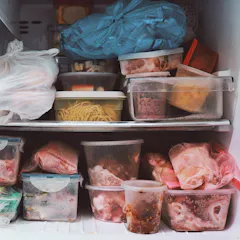
Do your ice taste funny? Is there ‘freezer burn’ on your meat? This is why your freezer probably isn’t as clean as you think – but it only takes a few simple steps to fix it.
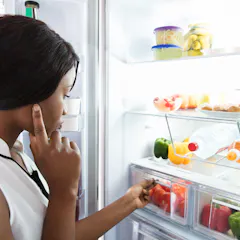
The era of stocking pantries and keeping our fridges and freezers full is over.
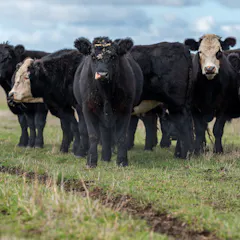
Most food in Australia remains free of PFAS, but a new study has found it can build up in cattle on PFAS-affected farms. But there are ways to manage the land and livestock to reduce the risks.

Raw flour at the store still contains live microorganisms. And while cooking can kill the fungi, it doesn’t destroy any illness-causing mycotoxins that might be present.
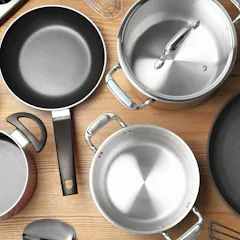
The steady stream of stories in the media about unsafe cookware might make you wary. But your pots and pans are almost certainly safe.
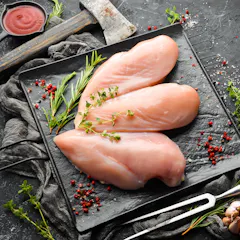
Washing raw chicken can splash bacteria around the kitchen. It’s best just to properly cook the chicken without washing it. So why do people still wash? Time to bust some chicken-washing myths.
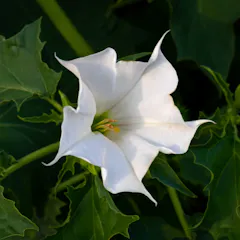
Thornapple or jimsonweed and related plants have an interesting history – from an early asthma treatment to intoxicated British soldiers.

A new study shows that a time stamp can be put on mercury that accumulates in fish eyes, offering a window into their lifetime exposure.
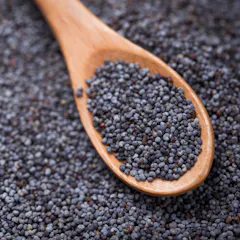
Affected poppy seeds made into a tea have led to seizures and cardiac arrests.
Top contributors
-

Senior Lecturer in Clinical Microbiology, University of Leicester
-
Research Fellow, ZERO2FIVE Food Industry Centre, Cardiff Metropolitan University
-
Professor of Microbiology, Swinburne University of Technology
-
Professor - Department of Plant and Soil Sciences and co-director of the Centre of Excellence in Food Security, University of Pretoria
-
Associate Professor, University of Birmingham
-
Professor Food Safety Systems at the Natural Resources Institute (UK) and contributing scientist ILRI, International Livestock Research Institute
-
Professor of Advanced Technology Transitions, Arizona State University
-
Honorary Associate Professor, University of Leicester
-
Associate Professor of Veterinary Medicine, Iowa State University
-
Associate Professor in Law, Faculty of Social Sciences, University of Nottingham
-
Executive Director, Swette Center for Sustainable Food Systems, Arizona State University
-
Professor of Food Science, Clemson University
-
Policy Analyst HDR, Deakin University
-
Food microbiologist and Food safety specialist, CSIRO
-
Professor of Chinese Business and Management, University of Sydney