
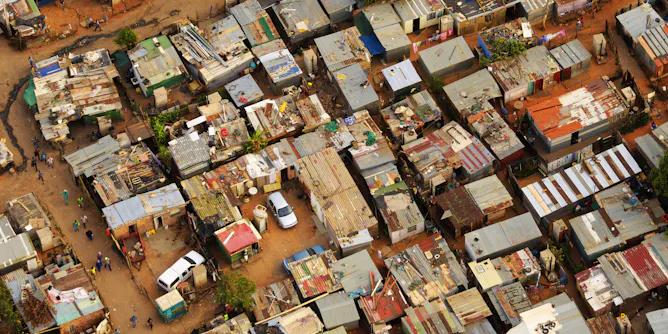
A South African government intervention is addressing the symptoms of the 2024 outbreak of food-borne illnesses, not the underlying causes.
Articles on Food-borne illness
Displaying 1 - 20 of 28 articles
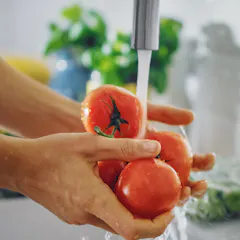
Fresh produce can be covered in dirt, bacteria, fungi, viruses and pesticides.

Raw milk has always carried the risk of serious illness, and this risk has only risen with bird flu spreading across dairy farms in the US.
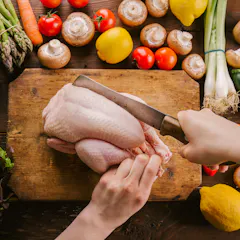
Washing chicken may actually increase your risk of cross-contamination.
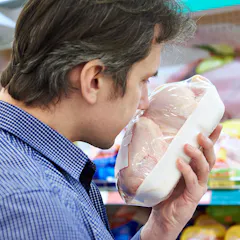
Some people like to use their sense of smell to tell if food has gone off. A food safety expert explains why that’s not a good idea.

Improving food safety in low- and middle-income countries requires a shift in thinking and practice.

Food safety means checking the source and paying attention to hygiene and storage.

Biological and chemical substances are the most common food contaminants and account for over 200 food-borne illnesses.

Climate change has a clear link to rising foodborne illnesses. Blackouts during heat waves and wildfires are a growing part of the problem.

‘When in doubt, throw it out’ – and more tips to make sure your festive feast won’t make you sick.

From a global cattle disease that can devastate herds to water-borne pathogens causing severe food poisoning, genome sequencing has become an important tool in the control of infectious diseases.

A food safety expert offers six tips on safe food handling that many cookbooks and cooking shows fail to deliver.

Millions of people travel during the holidays, eager to spend time with loved ones. That travel, along with exposure to new bacteria, can make you more vulnerable to foodborne illnesses.
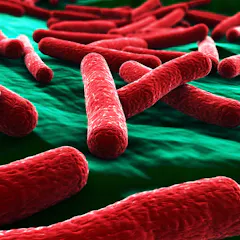
E. coli bacteria are the frequent culprits behind outbreaks of food-borne illnesses. But not all strains are harmful; some are even helpful.
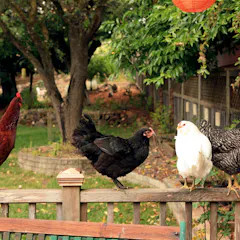
From Brooklyn to Los Angeles, thousands of Americans are raising chickens in their backyards. But without stricter regulation, urban poultry farming is risky for both humans and birds.
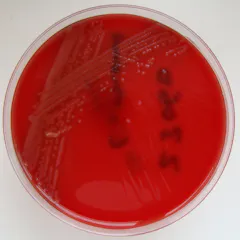
The bacterial pathogen that is responsible for listeriosis can survive under even the toughest conditions.
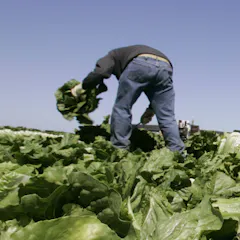
The recent E. coli outbreak in North America was linked to romaine lettuce. Many such outbreaks are often linked to fresh produce. Here’s what you need to know to keep your family safe.
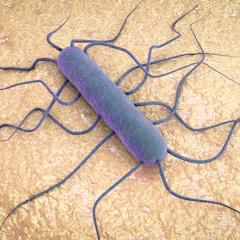
Health authorities in South Africa have launched an investigation to find the food source that has resulted in an unprecedented increase in listeria cases across the country.
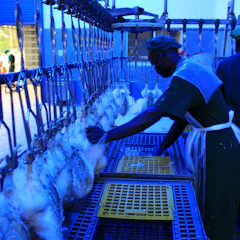
A global trend to regulate frequent antibiotic use in livestock and poultry production is emerging but Africa is still lagging behind.

Food-borne diseases will continue to thrive unless Africa’s meat inspection programmes are upgraded.
Top contributors
-

Professor of Food Safety, University of Guelph
-
Senior Lecturer in Clinical Microbiology, University of Leicester
-
Pathologist, Centre for Vaccines and Immunology, NICD, National Institute for Communicable Diseases
-
Policy Analyst HDR, Deakin University
-
Professor in Animal Microbial Ecosystems, Bristol Veterinary School, University of Bristol
-
Professor, National Centre for Epidemiology and Population Health, Australian National University
-
PhD candidate, Australian National University
-
Professor of Infection Epidemiology and Zoonoses, University of Liverpool
-
Professor of Food Science, Nutrition and Health Promotion, Mississippi State University
-
Postdoctoral Research Scientist, African Population and Health Research Center
-
Assistant Clinical Professor in Nutrition and Dietetics, Mississippi State University
-
Professor of Meat Science and the co-host of the NRF SARChI Chair in Meat Science, University of Fort Hare
-
Associate Professor of Chemistry and Environmental Studies, Wesleyan University
-
Director DNDi Eastern Africa and Senior Principal Research Scientist, KEMRI, Kenya Medical Research Institute
-
Professor - Department of Plant and Soil Sciences and co-director of the Centre of Excellence in Food Security, University of Pretoria