

A test case in Franschhoek, South Africa has used natural filtering of polluted water to produce 50,000 litres a day that is safe for irrigation.
Articles on E coli
Displaying 1 - 20 of 55 articles
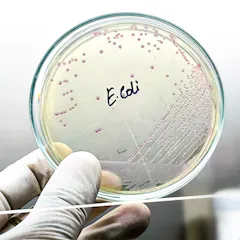
AI helped design a working virus that kills bacteria. Researchers explain what it could mean for the fight against antibiotic resistance.
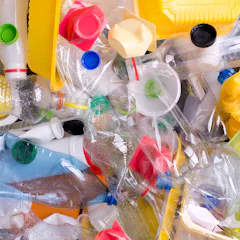
Scientists have shown that plastic bottles could be converted into levodopa, an important Parkinson’s drug, with implications for both medicine and the environment.

Wearing outdoor shoes inside can spread of bacteria, allergens, and toxic chemicals — all of which can compromise your health and indoor air quality.
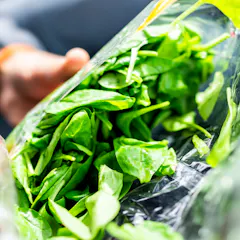
The culprit behind the recalls is ‘shiga-toxin-producing E. coli’. What do you need to know about this bacterium?
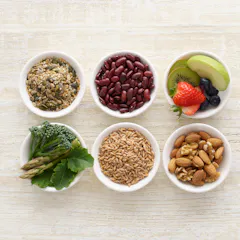
An analysis of 12,000 stool samples from people in 45 countries throws up some interesting findings about how to keep E coli in the gut in check.
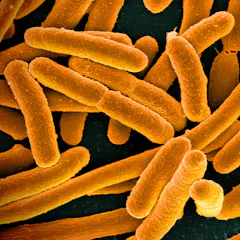
Certain strains of E. coli tucked in a gel can crowd out the microbes that cause urinary tract infections.

While vaccines such as Uromune may not be an accessible or perfect solution for everyone, they offer real hope for people tired of recurring UTIs and endless rounds of antibiotics.

A specially coated foil removed more than 99% of E. coli bacteria from water in laboratory tests.

Wearing goggles and ear plugs while swimming can help protect you from illness.
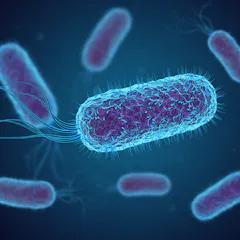
Most strains of E coli are actually friendly to our gut.
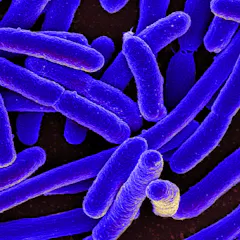
The Nobel Prize-winning Luria−Delbrück experiment showed that random mutations in bacteria can allow them to develop resistance by chance.

Street food is popular in Nigeria but safety is not regulated.

A food thermometer is your holiday feast’s unsung hero, ensuring that poultry, meats and other dishes, including vegetable-based, reach the internal temperatures needed to eliminate harmful pathogens.
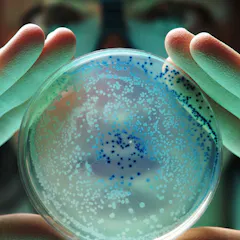
Researchers uncovered the foundations of biology by using E. coli as a model organism. But over-reliance on this microbe can lead to knowledge blind spots with implications for antibiotic resistance.
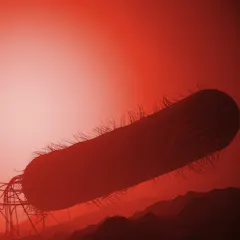
Antibiotic resistance has contributed to millions of deaths worldwide. Research suggests that any bacteria can develop antibiotic tolerance, and possibly resistance, when pushed to their limits.

Most beaches along Durban’s coastline have critical E. coli levels above acceptable safety levels and should be considered a public health hazard.
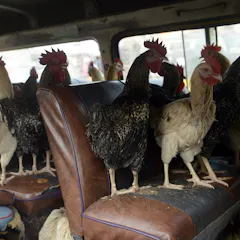
Indiscriminate antimicrobial use in Nigeria’s poultry value chain is putting people at risk of developing resistance to medicines.

The federal government’s announcement that boil-water advisories on First Nations won’t end until 2023 at the earliest isn’t surprising. The true crisis is much greater than widely known.

Water at informal settlements, where sanitation and waste management facilities were absent, had high bacteria levels.
Top contributors
-

Food Microbiologist, CSIRO
-
Associate professor, University of KwaZulu-Natal
-
Ph.D. Candidate in Microbiology, Cornell University
-
Associate Professor and Clinical Academic Gastroenterologist, Western Sydney University
-
Senior Lecturer in Animal Science, Nottingham Trent University
-
Visiting Research Fellow, History of Biomedical Sciences, University of Cambridge
-
Emeritus Professor of Bacteriology, University of Aberdeen
-
Professor of Water Research; Director, Water Alliance, Michigan State University
-
Professor, Simon Fraser University
-
Principal lecturer in the School of Science and Technology, Nottingham Trent University
-
Senior Lecturer in Life Sciences, Imperial College London
-
Theme Leader - Food Safety and Stability, CSIRO
-
Public Health Registrar in the Division of Public Health Medicine, University of Cape Town
-
Professor of Health Behavior and Health Education, Co-Director of the Center for Bioethics and Social Sciences in Medicine, University of Michigan
-
Public Health Specialist in the Division of Health Systems and Public Health,, Stellenbosch University