
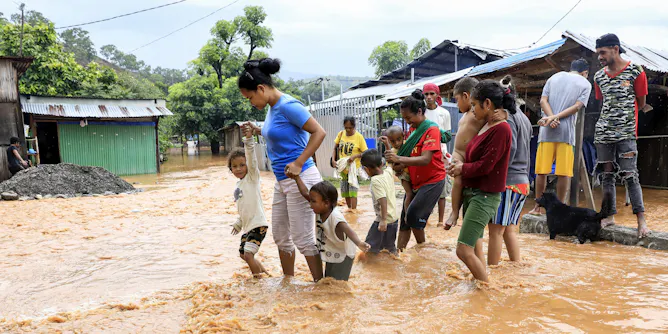
In flood-ravaged Dili, COVID-19 restrictions were abandoned as the disaster unfolded. But it means an already escalating pandemic situation may spiral out of control.
Articles on Flooding
Displaying 361 - 380 of 562 articles
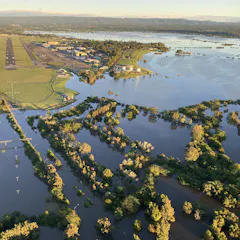
Floodplains are among the most productive ecosystems on the planet – they are biodiversity hotspots. That’s in large part due to periodic flooding between different parts of a river-floodplain system.
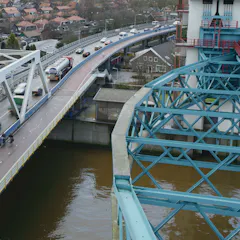
With adaptive design, infrastructure is ready to be expanded in the future. It’s working for the Dutch.
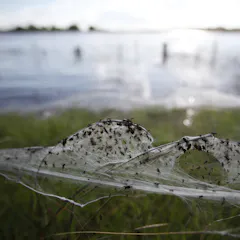
If you find your house overrun by bugs after the floods, go easy on them. Here’s what you can do instead of using pesticides.
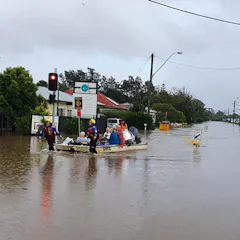
Today’s risks will be tomorrow’s normal. That means tough decisions have to be made about human settlements having to retreat from areas most at risk, whether from floods or bushfires.
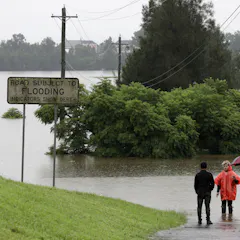
In any given year, there’s a 1% chance of a ‘once in a century’ flood. But that doesn’t mean they can’t happen more than once in quick succession.
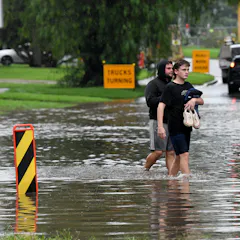
It’s not enough to continue to build cities and towns based on business-as-usual planning principles. We need to plan and design our urban spaces around the idea that flooding is inevitable.
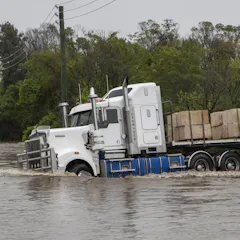
The expert advice is to never drive, walk, or ride through flood waters. Unfortunately, however, this is advice often not heeded. Research on psychology and floods reveals clues as to why.
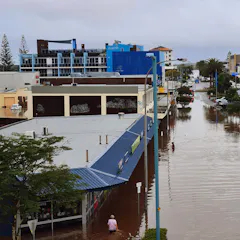
Unless you’ve lived through it, it’s hard to understand how stressful a catastrophic flood can be - both in the moment and long after the event. That’s especially true for vulnerable populations.
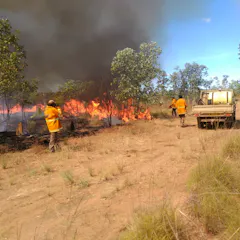
By collaborating with Indigenous ranger groups, we can make strategic fire and land management practices economically sustainable for traditional landowners.

In Australia and around the world, failures in flood warnings can have devastating effects. But ‘humanitarian engineering’ may have the answer.
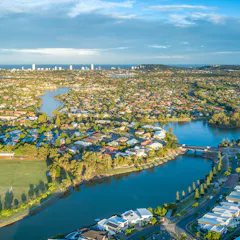
Infrastructure is often seen as the main way to reduce the impacts of climate-related disasters like floods and drought. But cities are complex systems with many factors affecting their resilience.
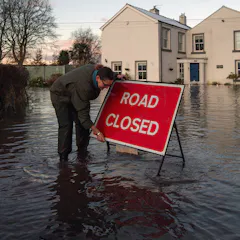
Clear messaging is crucial when dealing with multiple disasters.
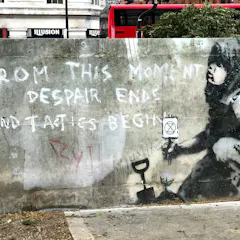
While climate change is certain, some uncertainty remains in its severity — and that’s where the hope shines through.
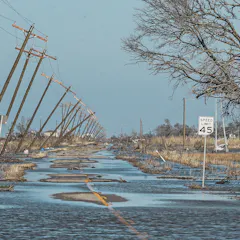
Many storms, heatwaves, fires and droughts slipped under the radar this year.

Climate change is a true existential threat for small island nations, but the US has done little to help the Marshall Islands, which it administered for decades.
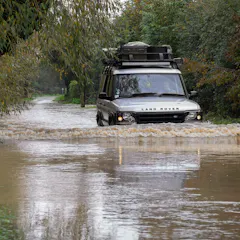
La Niña means we are forecast a wet winter – and people are struggling and ill-prepared.
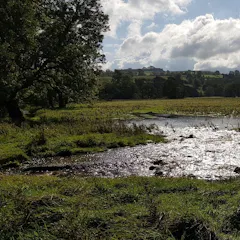
Flooding isn’t always destructive – it can be part of our toolkit for restoring ecosystems.
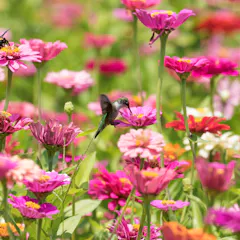
The threats of climate change to plants, animals and people in Africa mean that the continent is an excellent place for biometeorological research.
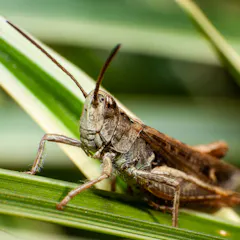
Locust outbreaks are driven by unusual climatic conditions.
Top contributors
-

ARC Future Fellow and Associate Professor in Climate Science, ARC Centre of Excellence for 21st Century Weather, The University of Melbourne
-
Adjunct Professor of Environmental Geography, CQUniversity Australia
-
Professor of Geology and Environmental Geosciences, University of Dayton
-
Professor and Director of the Institute for Water Research, Rhodes University
-
Professor of Sociology, Rice University
-
Senior Research Associate, Institute for Environment and Human Security (UNU-EHS), United Nations University
-
Regius Professor of Meteorology and Climate Science, University of Reading
-
Professor of Physical Geography, University of the Witwatersrand
-
Professor of Landscape Architecture and Urban Planning, Texas A&M University
-
Professor Emeritus of Climate and Space Sciences and Engineering, University of Michigan
-
Distinguished Scholar, National Center for Atmospheric Research; Affiliate Faculty, University of Auckland, Waipapa Taumata Rau
-
Research Fellow, Australian Rivers Institute, Griffith University
-
Senior Research Fellow, The University Centre for Rural Health, University of Sydney
-
Professor Emeritus of Risk Management and Insurance, Georgia State University
-
Professor, Department of Forest Resources Management, University of British Columbia