
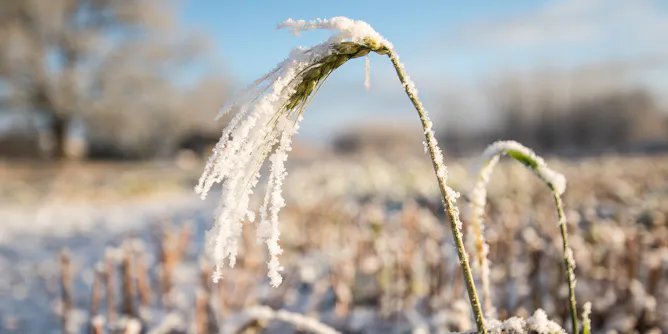
Papua New Guinea’s frost disaster suggests heat and drought aren’t the only symptoms of a changing climate.
Articles on Fertiliser
Displaying 1 - 20 of 90 articles

Growers across the country are grappling with surging fuel prices and inconsistent rainfall.

Research shows a phosphorus-rich compound found in wastewater raises uptake by plants and reduces discharge to waterways.

For millennia, farmers relied on human urine for its vital plant nutrients. As synthetic fertilisers get more expensive, is it time to give pee a chance?
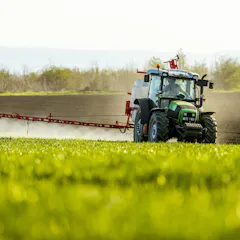
Compost, manure and food waste can be turned into biofertilisers made from natural materials.
South Africa needs a credible gas plan tied to procurement, infrastructure and industrial policy.
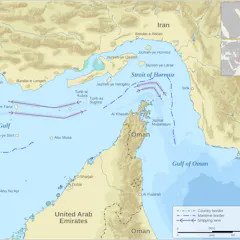
As the Strait of Hormuz reopens, a new study reveals what the agri-food industry’s priorities should be to overcome such an unprecedented logistical challenge.
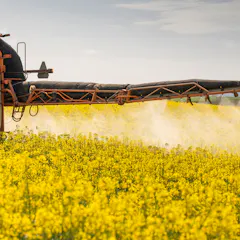
A labour and political ecology expert looks back at imperialistic logic and how chemical fertilisers have repeatedly served as strategic objectives and weapons, particularly in wartime.
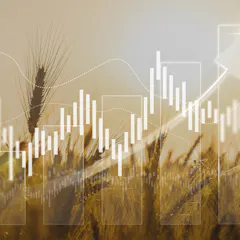
The world is too dependent on the Gulf states for energy and fertiliser.
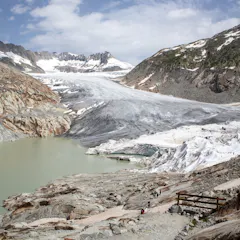
Changes in shipping routes can end up altering the physical state of distant mountains, as well as creating other fallouts.
The federal government has secured access to 250,000 tonnes of extra urea from Indonesia for Australian farmers.
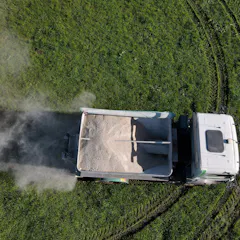
There have been repeated calls for a food security strategy in NZ, but little progress. Will a global fertiliser shock now prompt leaders to act?
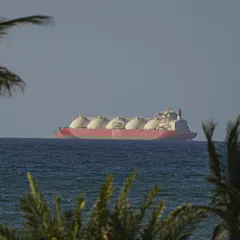
China stands to be impacted first, as the main buyer of Iran’s crude oil. But if the blockade drags on, its knock-on effects could impact the whole world.
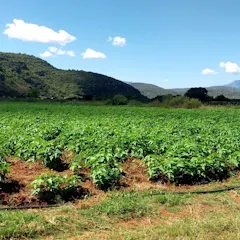
Rhizobia-based fertiliser technology is cost-effective, non-toxic and sustainable.

The sad truth is that African countries cannot avoid being harmed by the current Gulf war. But they can make efforts to emerge from the crisis in a better place.
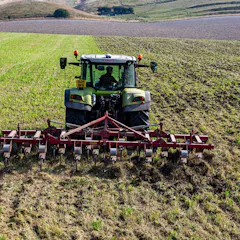
UK farmers are struggling with rising prices, as the war in Iran and the closure of the strait of Hormuz starts to affect supply.
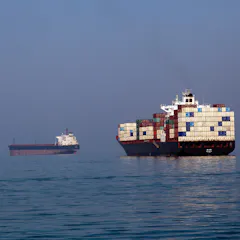
Without this form of fertiliser, crops will not produce yields on which the world’s population depends, leaving people starving.
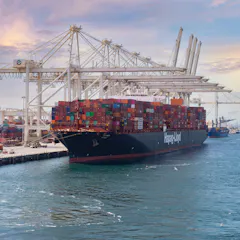
Gulf states depend on food imported via the strait – and shipping surcharges could raise the cost of consumer goods around the world.
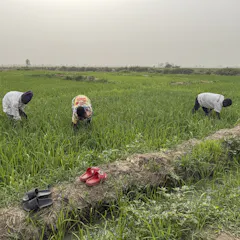
Climate-smart agricultural technologies increase crop sales revenue for farmers in the Sahel region.

Decades of experimentation revealed slow ecological processes and long-term interactions that have international scientific value.
Top contributors
-

Professorial Fellow, ARC Centre of Excellence for Coral Reef Studies, James Cook University
-
Senior Fellow, Department of Agricultural Economics, Stellenbosch University
-
Outreach Fellow, Institute for Water, Environment and Health (UNU-INWEH), United Nations University; Technical University of Hamburg
-
Executive Co-Director, Institute for Water, Environment and Health (UNU-INWEH), United Nations University; Technical University of Hamburg
-
Professor of Earth System Science, UCL
-
Postdoctoral Researcher, Agricultural Science, The University of Western Australia
-
Professor, University of Maryland Center for Environmental Science
-
Adjunct Professorial Research Fellow, Partner Investigator, ARC Centre of Excellence for Coral Reef Studies, James Cook University
-
Chief Research Advisor, Grantham Centre for Sustainable Futures, University of Sheffield
-
Research Fellow, International Food Policy Research Institute (IFPRI)
-
Senior Researcher, Agricultural Research Council - Animal Production, University of KwaZulu-Natal
-
Professor - School of Agriculture and Food Science, The University of Queensland
-
Professor of Chemistry, George Washington University
-
Marie Curie Research Fellow, School of Chemistry, University of Bristol
-
Senior Research Fellow and Science Director, Department of Agriculture and Food Systems, The University of Melbourne