

Research shows a phosphorus-rich compound found in wastewater raises uptake by plants and reduces discharge to waterways.
Articles on Phosphorus
Displaying 1 - 20 of 36 articles
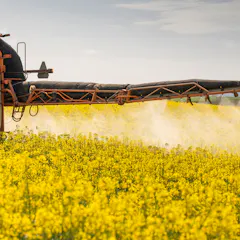
A labour and political ecology expert looks back at imperialistic logic and how chemical fertilisers have repeatedly served as strategic objectives and weapons, particularly in wartime.
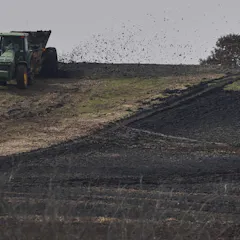
Plants need phosphorus, and other nutrients, to grow. But soil tests can’t tell if there’s too much.
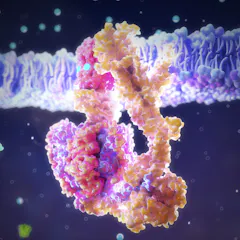
A protein historian and evolutionary biochemist found that a protein sequence present across all known life didn’t form as researchers previously thought it did.

Festivalgoers could be adding nitrogen and phosphorous to the rural environment at concentrated hotspots by weeing in the open air.

The record-breaking and destructive forest fires of the summer of 2023 made headlines. But how did they affect the millions of lakes in the burned catchment areas?
Trees are supposed to grow faster as a result of increased CO₂ in the atmosphere - but this research suggests there are many exceptions to the rule.

Phosphorus and nitrogen contribute to water pollution and cause harmful algal blooms. New research shows how mats of floating flower beds can take advantage of these nutrients while cleaning the water.
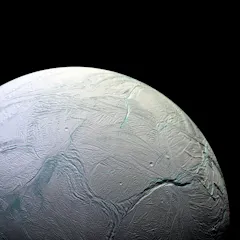
Phosphorus is the most elusive element crucial for life as we know it – and we now have the first evidence there’s some available in the oceans of Enceladus.

Pulses are important for many reasons. They are packed with nutrition, resilient and crucial for achieving food security in Africa.

This crucial fertiliser component is mostly found in just five countries.
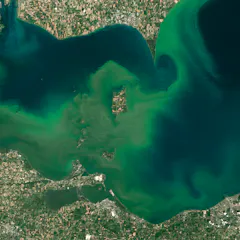
Nutrient pollution fouls lakes and bays with algae, killing fish and threatening public health. Progress curbing it has been slow, mainly because of farm pollution.

How well Morocco manages challenges to its fertiliser industry will affect its own development and the stability of food supplies across the world.

Farmers are contending with huge spikes in fertilizer prices. The Biden administration is paying US companies to boost synthetic fertilizer production, but there are other, more sustainable options.

Cleaning up the Great Lakes was a big job when the US and Canada undertook it in 1972. Today it’s far more challenging.
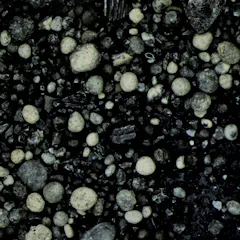
Studying these deposits gives scientists information about how past environments change. That, in turn, gives us informed estimates on how climates and environments will change in the near future.

Harmful algae blooms are an increasing problem in Florida. Once nutrients are in the water to fuel them, little can be done to stop the growth, and the results can be devastating for marine life.

Lightning strikes may have helped spark life on Earth, and may be continuing to help life start on other Earth-like planets.
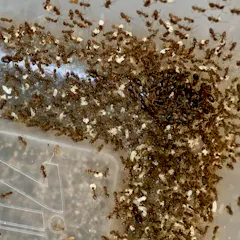
The spread of tawny crazy ants may be driven, in part, by their need for calcium. The calcium-rich limestone bedrock of the lower U.S. Midwest may provide ideal conditions for populations to explode.

If rolled out worldwide, our method could replace a quarter of all the synthetic nitrogen fertiliser used in agriculture.
Top contributors
-

Professor Emeritus of Environment and Sustainability, University of Michigan
-
Associate Professor, Institute for Sustainable Futures, University of Technology Sydney
-
Researcher VU Amsterdam, Project Manager SusPhos, Vrije Universiteit Amsterdam
-
Vice Principal (Research) and Provost, University of St Andrews
-
Marie Curie Research Fellow, School of Chemistry, University of Bristol
-
Lecturer in Sustainable Chemistry, Bangor University
-
Assistant Director of the Global Systems Institute, University of Exeter
-
Senior Lecturer, Chemistry, University of St Andrews
-
Senior Research Scientist, Plant Industry, CSIRO
-
Lecturer in Ecosystem Ecology, University of Oxford
-
Science Communicator, CSIRO
-
Senior Researcher, Swedish University of Agricultural Sciences
-
Senior Lecturer, School of Chemistry, UNSW
-
Senior Lecturer in Water Engineering, Brunel University of London
-
Director, Institute for Sustainable Futures, University of Technology Sydney