
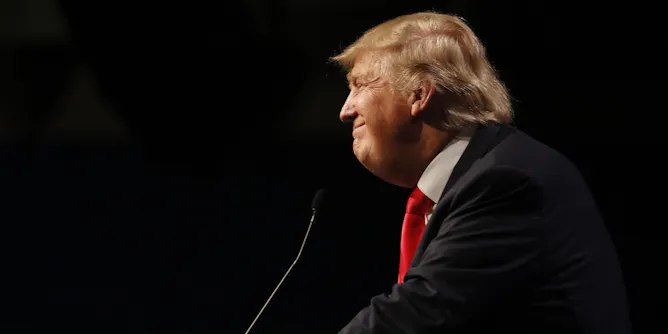
Fake news is not new, but it is inevitable and inescapable - which is why we need uncomfortable, critical and truthful journalism to prevail.
Articles on Fake news
Displaying 261 - 280 of 375 articles
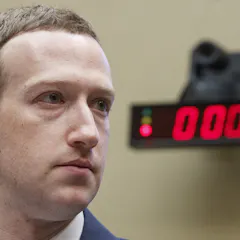
After facing the US Congress the Facebook chief will have learned the easy part is over. From now on things will be tougher.
It’s time to (do more than) talk about knowledge. Universities must take leadership in helping develop students capacity to recognise different kinds of knowledge and work flexibly.

The fake news label has been used by politicians to discredit unfavourable media stories. But even assuming good intentions, new laws are incapable of tackling the menace.
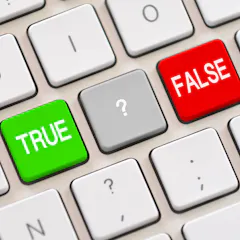
Cognitive psychologists know the way our minds work means we not only don’t notice errors and misinformation we know are wrong, we also then remember them as true.
The Europeans have something to teach the US about protecting citizens subject to Russian internet propaganda. Their effort isn’t just a different form of propaganda. It’s more like fact-checking.
Facebook’s users have wildly different expectations about privacy and security. What may look like inadequate oversight in some places may be considered an overreach in others.
As the internet-connected world reels from revelations about personalized manipulation based on Facebook data, a scholar of virtual reality warns there’s an even bigger crisis of trust on the horizon.
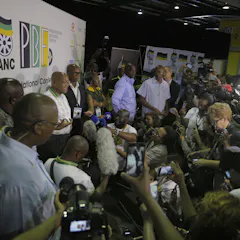
South African investigative journalists and civil society played a crucial role in bringing a country in the clutches of patronage networks back from the brink.

It will take a concerted effort of stakeholders working together to combat disinformation says new EU report.

There are a lot of misconceptions about how social media is changing society. Here are some of the most important.
Despite fears that so-called echo chambers are causing political polarization, a new study suggests it’s not the case.
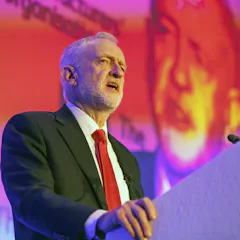
What was really behind the Corbyn spy smear.
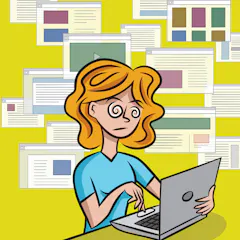
Researchers have developed a game to ‘vaccinate’ people against fake news – by showing them how to become a fake news mogul.
Reading something that sows doubt about a widely agreed-upon fact – even the election of George Washington as president – can have a profound effect.
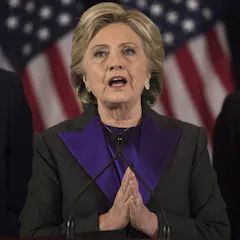
Yes, votes are cast based on many factors. But a new survey and analysis suggests that belief in fake news could have been decisive during the 2016 election.
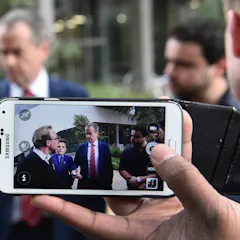
As politicians grapple with the fall-out from social media missteps, the public turns back to traditional media for trustworthy news.
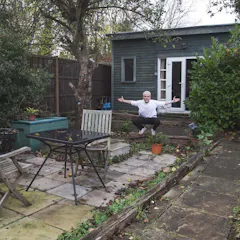
The Shed at Dulwich reached TripAdvisor’s No. 1 spot for restaurants in London before it was revealed to be a hoax. The stunt showed how easily we are fooled. The lesson learned? Trust no one.
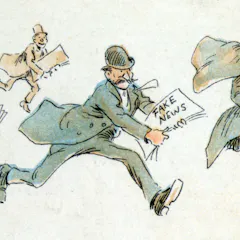
The practice of calling attention to false stories – with actual fakers then levying the charge on their accusers – dates back to battles between progressive reformers and corporate media outlets.
Critical thinking is of paramount importance, especially as it applies to research on the internet – and to our energy future. Educators have a duty to ensure students avoid fake news on energy.
Top contributors
-

Professor of Social Psychology in Society, University of Cambridge
-
Professor and Chair, Department of Journalism, Stellenbosch University
-
Professor of Political Communication; Director CAJII, The University of Melbourne
-
Professor in Digital Media, Western Sydney University
-
Senior Research Fellow, Centre for Advancing Journalism, The University of Melbourne
-
Lecturer in Psychology, University of Cambridge
-
Associate Professor of Interdisciplinary Studies, Royal Roads University
-
Associate Professor, News, Social Media, and Public Communication, Simon Fraser University
-
Professor of Media Industries, University of Nottingham
-
Professor of Policy Impact, University of Leeds
-
Vice-Chancellor and Principal of the University, University of Pretoria
-
Associate Professor of Psychology, Vanderbilt University
-
Associate professor in the Faculty of Business, Government, and Law, University of Canberra, University of Canberra
-
Professor, Digital Media Research Centre, Queensland University of Technology
-
Caxton Professor of Journalism, University of the Witwatersrand