
People are hardwired to dismiss opposing views as ‘fake’.
Articles on Fake news
Displaying 321 - 340 of 375 articles
Pundits have been keen to link post-truth to post-modernists, post-positivists or any other ‘postie’. They should turn their energy to forming a real popular front against Trump’s faux populism.
Readers read, viewers watch and players do. That level of engagement gives games real power to influence people both within and outside the play itself.
It’s election time and all the political parties are locked in a social media battle. But does it help inform political debate or just cause even more confusion?
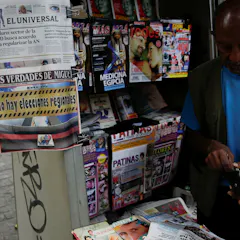
The president has fled the country. An activist has died in jail. A military coup is afoot. Fake news is dividing Venezuelans, making a peaceful end to its profound crisis ever less likely.
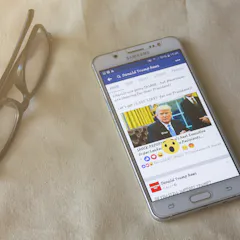
Social media is a huge channel for false information. News organisations need to wean themselves off it.
The internet is changing how urban legends are spread – and helping to create new ones.

Beneath simple labels like post-truth, alternative facts and fake news is a complex set of issues. Any debate about the problems needs to start from some common points of reference.

Does science have an answer to science denial? Just as being vaccinated protects you from a later full-blown infection, a bit of misinformation explained could help ward off other cases down the road.
Concerns over filter bubbles and fake news are often based on anecdotal evidence. There is relatively little systematic research on the topic; a new survey finds widespread fears are unwarranted.

A century-old case of scientific fraud illustrates how hard it is to untangle the truth when access to new discoveries is limited.
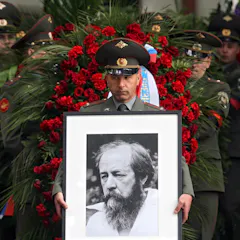
As Solzhenitsyn saw it, simple truths are always a threat to totalitarianism.
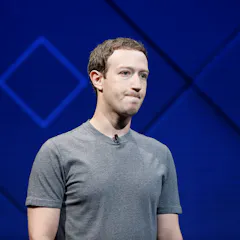
Facebook has a new, depressingly incompetent strategy for tackling fake news.

Wikipedia has earned our trust. Now its founder proposes an innovative assault on fake news with Wikitribune.

Fake news has been used in the past to feed into people’s fears and prejudices. A particularly poignant story from 1913 relates to the wrongful conviction of an innocent man named Leo Frank.
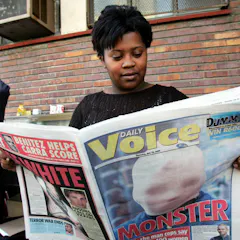
The growth of new, vibrant, independent media sites and projects in South Africa have challenged conceptions of what a newsroom is. On limited budgets, some even fare better than mainstream media.
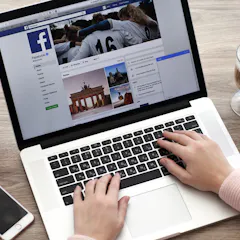
Algorithms can’t sort out the truth from the dross. People must become more social media savvy.
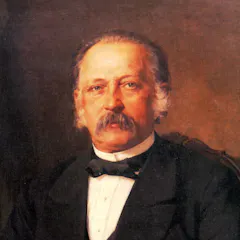
Theodor Fontane was a German newspaper’s England correspondent – who reported ‘from’ London without leaving his Berlin desk.
Why do some people fall for the lamest April Fool’s pranks and others see straight through them?
From mistrust in experts to fake news, it has never been more important for scientists to talk directly to the public.
Top contributors
-

Professor of Social Psychology in Society, University of Cambridge
-
Professor and Chair, Department of Journalism, Stellenbosch University
-
Professor of Political Communication; Director CAJII, The University of Melbourne
-
Professor in Digital Media, Western Sydney University
-
Senior Research Fellow, Centre for Advancing Journalism, The University of Melbourne
-
Lecturer in Psychology, University of Cambridge
-
Associate Professor of Interdisciplinary Studies, Royal Roads University
-
Associate Professor, News, Social Media, and Public Communication, Simon Fraser University
-
Professor of Media Industries, University of Nottingham
-
Professor of Policy Impact, University of Leeds
-
Vice-Chancellor and Principal of the University, University of Pretoria
-
Associate Professor of Psychology, Vanderbilt University
-
Associate professor in the Faculty of Business, Government, and Law, University of Canberra, University of Canberra
-
Professor, Digital Media Research Centre, Queensland University of Technology
-
Caxton Professor of Journalism, University of the Witwatersrand