
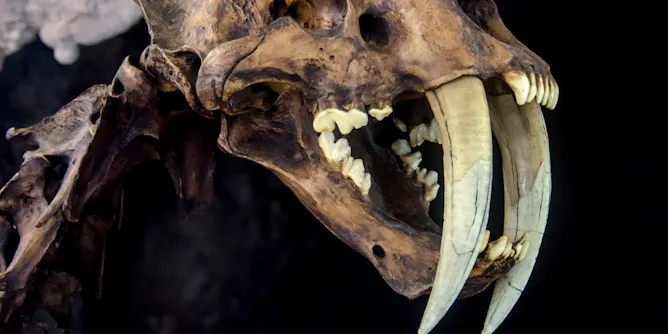
The long, sharp, blade-like canines found in many extinct predators evolved at least five times throughout history.
Articles on Evolution
Displaying 161 - 180 of 1206 articles
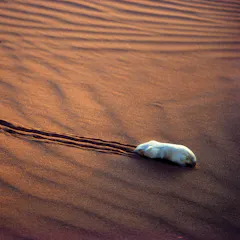
Scientists have traced the evolutionary heritage of marsupial moles and explained how they evolved unique adaptations that help them survive beneath the sand.
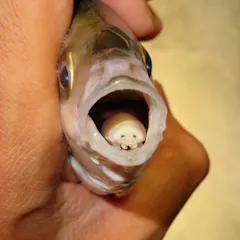
An ecologist shares his passion for parasites. From their vital roles in nature, to strange super powers and extraordinarily complex life cycles, parasites are natural wonders worthy of protection.
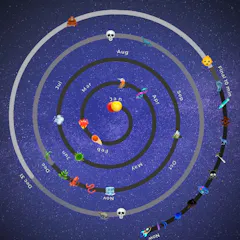
The dinosaurs went extinct on Christmas Day.

Twins are pretty rare, accounting for just 3% of births in the US these days. But new research shows that for primates 60 million years ago, giving birth to twins was the norm.

Evolution is often depicted as a steady forward march from simple to complex forms. But new research shows that certain ferns can evolve ‘backward.’
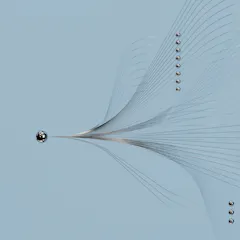
A specific set of chemical conditions led to the emergence of life on Earth. But can life emerge from other chemistries?

Natural selection won’t keep pace with global warming if the Paris climate agreement isn’t realised.

Evolution could alter or even eliminate some of the human traits we cherish most, changing forever what it means to be human.
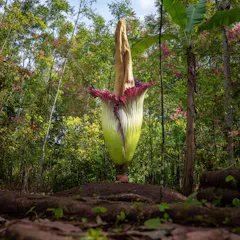
The stench of a rare corpse flower make us retch. But you’re not the target – the plant wants to lure carrion beetles and flesh flies
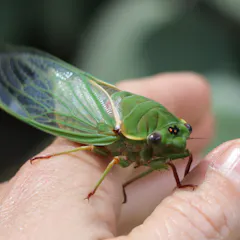
Three groups of cicadas have emerged together this year for the first time since the fall of the Roman Empire. The reason is pure mathematics.
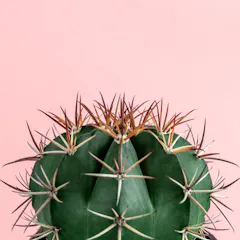
Cacti are more complex and mysterious than you might realise.
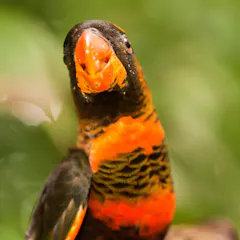
New research reveals how parrots and finches develop their extraordinary colours – and shows that evolution is an ongoing process.
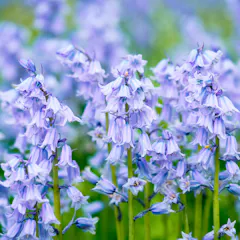
The size of DNA cells between the biggest and smallest genomes varies by as much as 10,000 times.

If you’ve ever struggled with chores while your freeloading siblings looked on, you might relate to these tiny insects.

A study has found rocks at the bottom of the ocean can make oxygen.
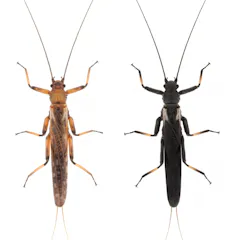
A new study shows that rapid loss of forests has prompted a colour change in stoneflies, caused by a genetic mutation. This means human change to the environment can drive evolution.
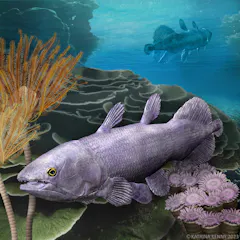
Researchers have discovered a new extinct species of coelacanth that lived 380 million years ago.
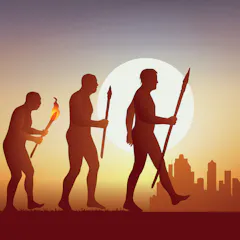
Light helps explains the evolution of our skin colour, why some of us have curly hair, and the size of our eyes. And light still shapes us today.
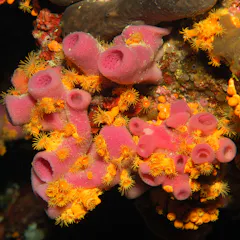
Microbial communities are essential to life, yet their complexity has long puzzled scientists. Now, a new framework aims to unravel how these intricate ecosystems form.
Top contributors
-

Scientia Professor of Evolution, UNSW
-
Emeritus Strategic Professor in Palaeontology, Flinders University
-
Senior Research Scientist, South Australian Museum; Flinders University
-
Honorary Associate Professor, UNSW
-
Professor of Evolutionary Palaeobiology at the Milner Centre for Evolution, University of Bath
-
Senior Lecturer in Paleontology and Evolutionary Biology, Life Sciences at the University of Bath, University of Bath
-
Associate Professor, Department of Physiology, Monash University
-
Associate professor in Vertebrate Palaeontology, University of the Witwatersrand
-
Principal Lecturer in Wildlife Conservation, Nottingham Trent University
-
Research Associate in the College of Science and Engineering, Flinders University
-
Jenny Graves is a Friend of The Conversation.
Distinguished Professor of Genetics and Vice Chancellor's Fellow, La Trobe University
-
Adjunct Research Associate, Monash University
-
Mark Elgar is a Friend of The Conversation.
Emeritus Professor of Evolutionary and Behavioural Ecology, The University of Melbourne
-
Professor, School of Biological Sciences, Monash University
-
Professor of Earth System Science, UCL