
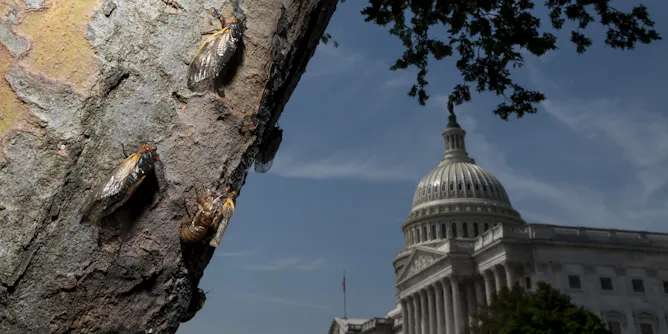
The last time that these two groups of cicadas emerged from underground together, Thomas Jefferson was president.
Articles on Evolution
Displaying 221 - 240 of 1206 articles
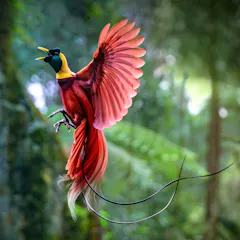
The extinction of the dinosaurs sparked an explosion of bird species, according to the largest-ever study of bird genetics.
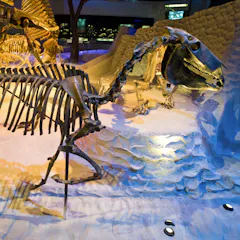
Horse fossils are abundant and widespread across North America. Scientists often use their long history to illustrate how species evolve in response to a changing environment.
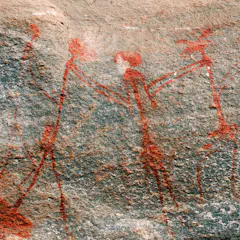
Neanderthals and humans may have been equally smart and skilled, but some evidence points to humans living in larger groups.
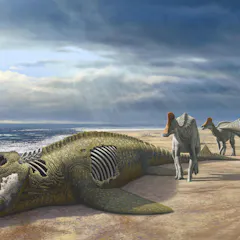
Oceanic dispersal of dinosaurs between Europe and Africa shows how low-probability, high-impact events drive evolution.
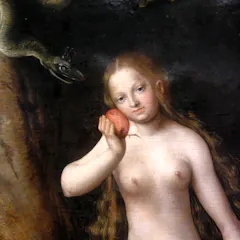
The story of human evolution is inextricable from the story of gynaecology.
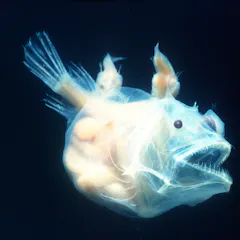
Does size matter? In the animal kingdom, yes.
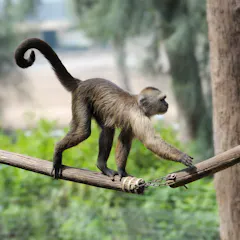
Many evolutionary changes also come with costs.
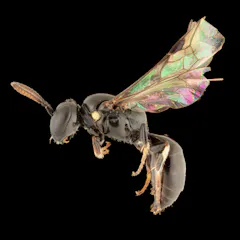
By lifting their gaze to the treetops rather than poking around on the ground, researchers discovered eight new species of masked bees.
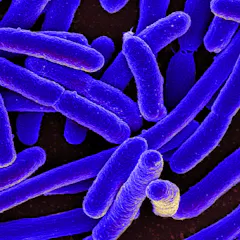
The Nobel Prize-winning Luria−Delbrück experiment showed that random mutations in bacteria can allow them to develop resistance by chance.
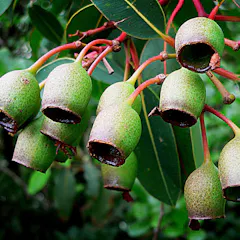
From sacrificial bark to fire-germinating gumnuts to stealthy buds the eucalyptus has evolved an arsenal of protective measures.
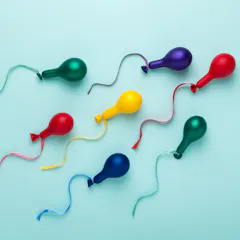
Understanding how the ageing of sperm works in other animals is more important than ever as human male fertility is in decline.
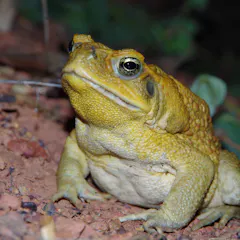
Cane toads are evolving as they spread across Australia. Parasitic lungworms are becoming more infectious to keep up.
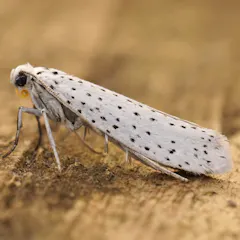
The ermine moth’s wing structures are fascinating because they rely on a mechanism we teach our engineering students to avoid
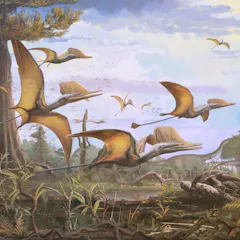
The Isle of Skye has a rich palaeontological heritage, so perhaps it’s no surprise scientists made an important discovery there.
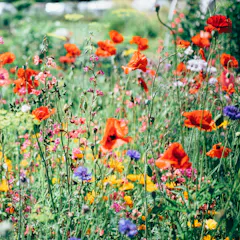
Flowers tend to stand out against a natural background. A new study shows this contrast evolved in a key relationship with their most famous pollinators – bees.
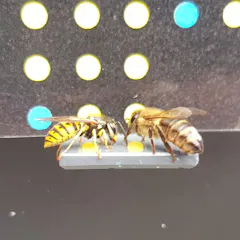
Being susceptible to visual illusions is part and parcel of life not just for humans, but many other species – including bees.
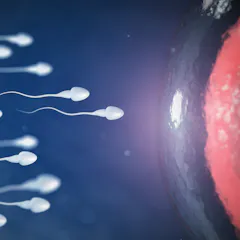
The evolution of sexual behaviour is a long and complicated tale. Taking a long view involves a degree of speculation.
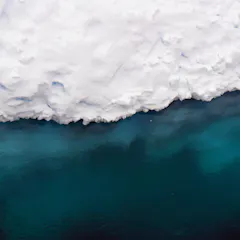
Did the enormous West Antarctic Ice Sheet collapse the last time global temperatures were 1.5°C above preindustrial levels? The answer lay in the DNA of an octopus.
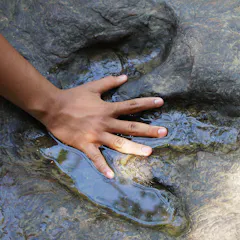
Our mammal ancestors evolved to compete with dinosaurs but may have lost something in the process.
Top contributors
-

Scientia Professor of Evolution, UNSW
-
Emeritus Strategic Professor in Palaeontology, Flinders University
-
Senior Research Scientist, South Australian Museum; Flinders University
-
Honorary Associate Professor, UNSW
-
Professor of Evolutionary Palaeobiology at the Milner Centre for Evolution, University of Bath
-
Senior Lecturer in Paleontology and Evolutionary Biology, Life Sciences at the University of Bath, University of Bath
-
Associate Professor, Department of Physiology, Monash University
-
Associate professor in Vertebrate Palaeontology, University of the Witwatersrand
-
Principal Lecturer in Wildlife Conservation, Nottingham Trent University
-
Research Associate in the College of Science and Engineering, Flinders University
-
Jenny Graves is a Friend of The Conversation.
Distinguished Professor of Genetics and Vice Chancellor's Fellow, La Trobe University
-
Adjunct Research Associate, Monash University
-
Mark Elgar is a Friend of The Conversation.
Emeritus Professor of Evolutionary and Behavioural Ecology, The University of Melbourne
-
Professor, School of Biological Sciences, Monash University
-
Professor of Earth System Science, UCL