
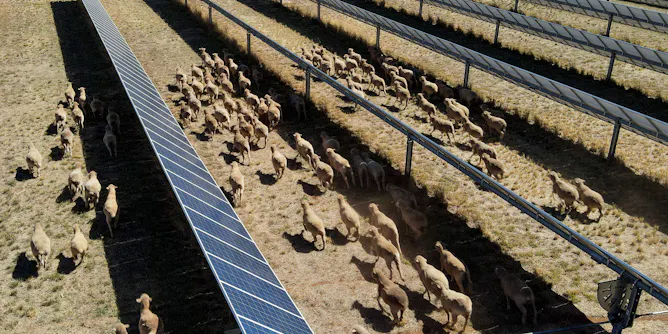
Self-reliance is important for many Australian farmers. But could farms ever become self-reliant in energy?
Articles on Energy storage
Displaying 1 - 20 of 111 articles
Unlike lithium-ion batteries, flow batteries can’t catch fire (as they are mostly water) and are extremely durable.
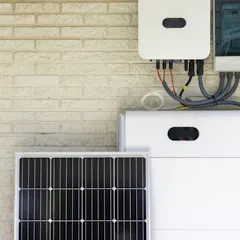
From May 1, the federal government will change how its home batteries discount works. But households may make rushed, costly purchases as a result.
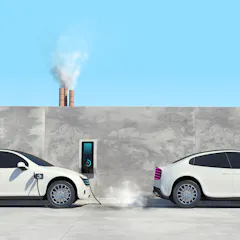
Expanding fuel reserves and slashing oil demand makes sense. Reopening refineries and drilling for more doesn’t.

The government’s response to the fuel crisis has been to reassure us normality will resume. Amid global uncertainty, that’s not enough.
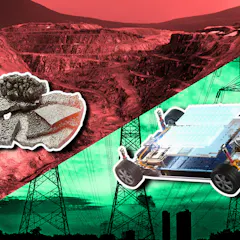
Big batteries used in electric vehicles and grid storage have long relied on metals with tarnished supply chains. But this is changing.
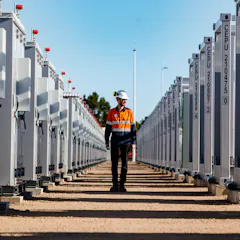
Gas was long thought to be essential as a backup for a clean energy grid. But enormous growth in grid-scale batteries has changed the game.

Snowy 2.0 will bring something genuinely new to Australia’s electricity system: large and long lasting energy storage
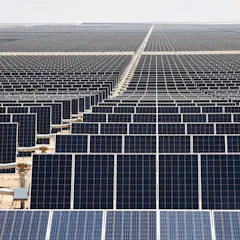
Weaning ourselves off fossil fuels is glacially slow – isn’t it? This pessimistic narrative doesn’t stack up against evidence of very rapid change in the real world.
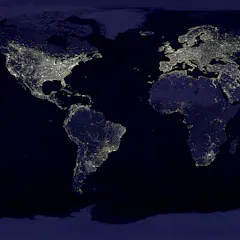
Power grids could likely handle the surge of demand, but all that light would pollute dark zones nearby.

Electrification means more demand on the grid. Smart charging of EVs and electric hot water systems could be the solution.

‘Zonal pricing’ failed to win the government’s support, but Britain has other options.

Even the best batteries fall far short of animal metabolism for energy storage. Fueling robots with ‘food’ could narrow the gap.
Consumers in Britain are paying for clean power that was never actually generated or used.
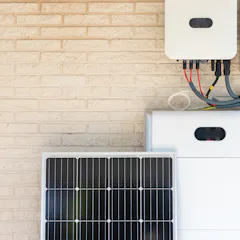
Labor’s promised subsidies for home batteries have to be well targeted. If not, they could simply make rich households richer.
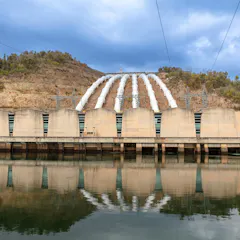
Research reveals most of the sites the Coalition has earmarked for nuclear power plants would be suitable for pumped hydropower plants.

Utilities have options for addressing surging power demand from AI data centers, but there’s no silver bullet.
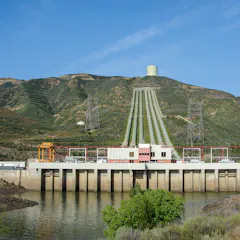
Pumped hydro and batteries can easily provide all the storage needed for 100% renewable electricity generation, eliminating the need for polluting gas power plants.
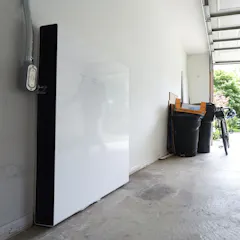
Energy storage really is the special sauce that makes renewables work anytime, anywhere – and everywhere. This makes the most of the existing electricity network, including transmission lines.
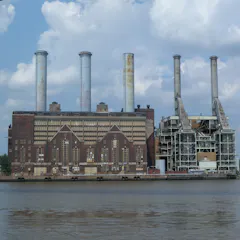
As renewables account for a growing share of electricity supply, fossil fuel plants are increasingly used to balance fluctuations in renewable generation – emitting health-threatening pollutants.
Top contributors
-

Professor of Engineering, Australian National University
-
Assoc Prof. Renewable Energy, Monash University
-
Senior Research Fellow in Renewable Energy, Australian National University
-
Professor of Sustainability, Curtin University
-
Adjunct Professor in Sustainability, The University of Western Australia
-
Affiliate, Electricity Markets & Policy Group, Lawrence Berkeley National Laboratory
-
Professor and Director, Victoria Energy Policy Centre, Victoria University
-
Energy Advisor, formerly, The University of Melbourne
-
Research Fellow, ANU College of Engineering and Computer Science, Australian National University
-
Professor of Energy Technology, University of Southampton
-
Professor of Sustainability, Rochester Institute of Technology
-
Emeritus professor, Australian National University
-
Principal and Vice Chancellor, Heriot-Watt University
-
Reader in Energy Systems and Innovation, University of Birmingham
-
Graduate Student Researcher in Electricity Markets and Policy, Lawrence Berkeley National Laboratory