

The answer is more nuanced than it’s ever been.
Articles on Lithium-ion batteries
Displaying 1 - 20 of 65 articles
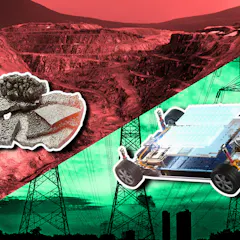
Big batteries used in electric vehicles and grid storage have long relied on metals with tarnished supply chains. But this is changing.

Battery researchers are seeking options with better performance, improved environmental sustainability and lower cost than lithium-ion batteries.
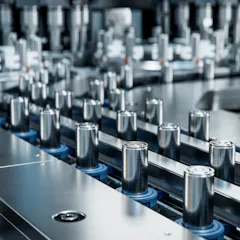
Four battery researchers talk about the future of power storage on The Conversation Weekly podcast.

Zimbabwe has large lithium deposits but most is extracted by multinational companies and exported raw. The country doesn’t benefit from lithium battery sales.
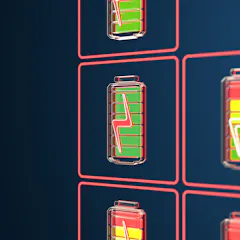
Battery management systems now blend physics and machine learning, delivering real‑time insights to boost safety, efficiency and lifespan even under heavy use.
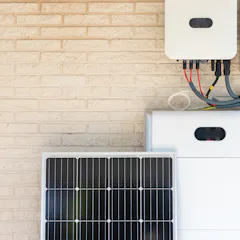
Labor’s promised subsidies for home batteries have to be well targeted. If not, they could simply make rich households richer.

The PFAS in lithium-ion batteries is a major obstacle to recycling or disposing of these batteries safely. But we have a way to fix this problem.
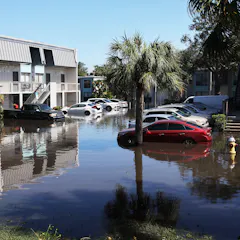
If you live in a flood-prone area, especially near the ocean, it’s important to know the risks if your EV is flooded. Or your golf cart, e-bike or other device with lithium-ion batteries.

Energy storage really is the special sauce that makes renewables work anytime, anywhere – and everywhere. This makes the most of the existing electricity network, including transmission lines.
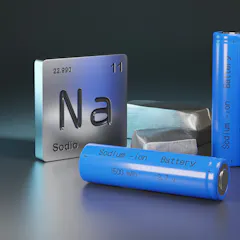
Sodium-ion batteries are emerging as a new way to firm up the world’s electricity grids - and they could be a game-changer.
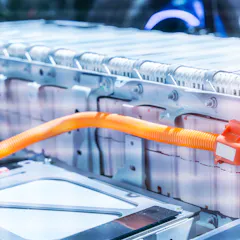
Allowing our spent lithium batteries to be exported free of charge could mean forfeiting a potential $3 billion onshore reprocessing industry.
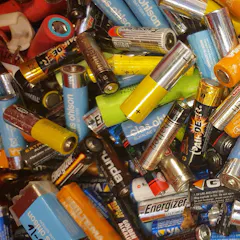
The reason batteries come in so many types has as much to do with history as innovation.
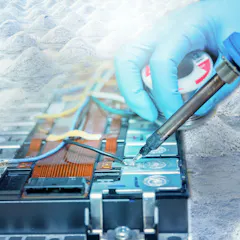
Sodium is a cheap and viable alternative to lithium in batteries for low-medium range EVs.
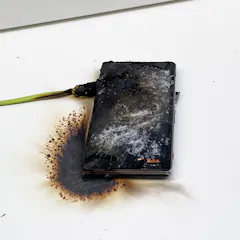
Plus 8 tips for maximising your battery’s lifespan.

Lithium-ion battery fires are rare, but they can cause a lot of damage – and they’re challenging to put out.

Lithium-ion batteries power many electric cars, bikes and scooters. When they are damaged or overheated, they can ignite or explode. Four engineers explain how to handle these devices safely.

Lithium-ion batteries are holding back the full-scale decarbonization of Canada’s energy grid. Zinc-ion batteries may be the solution.
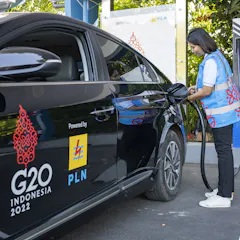
The Indonesian president’s visit to Australia could lead to closer co-operation on the energy transition, with Australia supplying lithium for Indonesia’s electric vehicle and battery production.
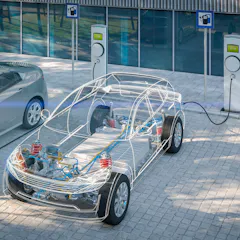
The environmental impacts of electric vehicle batteries range from mining, and energy and water use to the hazards of discarded batteries. These issues can be resolved, but there’s no time to waste.
Top contributors
-

Director of Energy Lancaster and Professor of Physical Chemistry, Lancaster University
-
Professor, The University of Queensland
-
Senior Lecturer in Operations and Supply Chain Management, Anglia Ruskin University
-
Postdoctoral Fellow in Physics and Astronomy, Clemson University
-
Professor of Geology, Ahmadu Bello University
-
Lecturer, Griffith University
-
Assistant Professor, Department of Chemical Engineering, McMaster University
-
Professor of Bio-innovation and Enterprise, Coventry University
-
Associate Professor of Environmental Engineering, North Carolina State University
-
Assistant Professor of Engineering, University of California, San Diego
-
Associate Professor in Operations & Information Management, Georgetown University
-
Honorary Visiting Senior Research Fellow, University of Bradford
-
Distinguished Professor in Electrical Renewable Energy, Swinburne University of Technology
-
Ph.D. Student in Materials Science and Engineering, University of Washington
-
Principal and Vice Chancellor, Heriot-Watt University