
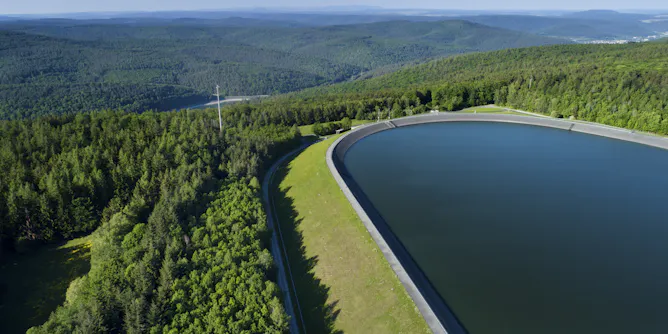
A team of researchers found 35,000 pairs of existing reservoirs, lakes and old mines in the US that could be turned into long-term energy storage – and they don’t need dams on rivers.
Articles on Grid energy storage
Displaying all articles
The electricity sector is expected to play a key role in Canada’s push to net-zero emissions. Enhancing long-distance transmission can be lower the cost of providing clean and reliable electricity.
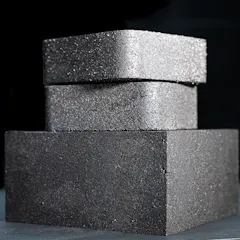
The blocks can be used to run steam turbines at power stations as a clean alternative to burning coal, and at a fraction of the price of storing energy in batteries.
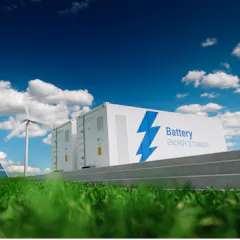
Grid-scale batteries could be at least double the cost of those in electric vehicles.
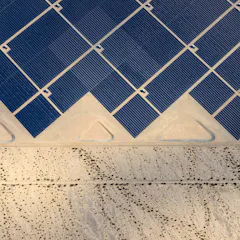
Solar and wind can’t deliver power on demand. But overbuilding solar and wind, and simply dumping unneeded energy, would go a long way to smoothing out those bumps, study finds.
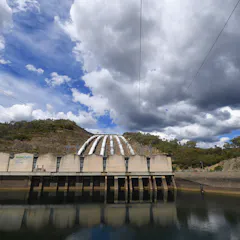
Everything you need to know about pumped hydro.
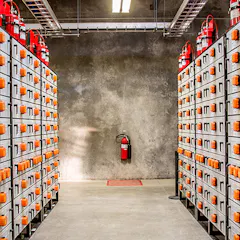
Energy storage could prove an inexpensive way for power companies to handle heat waves and other times when consumers use more electricity than usual.
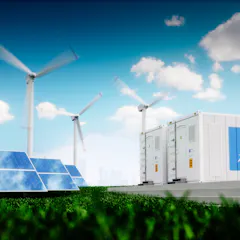
Saving power to use later lets consumers, businesses and utilities generate energy when it’s cheap and deliver it when they need it most. There’s not much of it today, but the industry is growing fast.
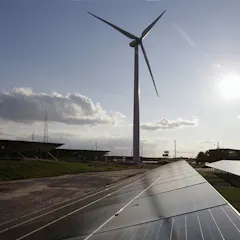
Energy storage, such as big batteries, on the power grid is generally seen as ‘green’ technology but the reality is more complicated, an analysis finds.
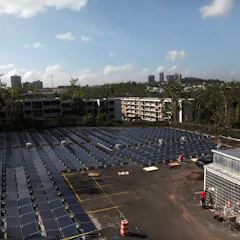
Yes, Puerto Rico and any other storm-vulnerable location could benefit from on-site solar and battery backup, but it’s unrealistic to say these microgrids are enough to power the island.
A planned expansion to the Snowy Hydro scheme is grabbing headlines. But a new plan could build oceanfront hydro power in places without mountains - including South Australia.
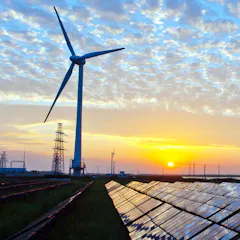
The Turnbull government is funding energy storage as a crucial missing piece of the electricity grid puzzle. Analysis suggests an affordable, fully renewable grid doesn’t require any heroic assumptions.
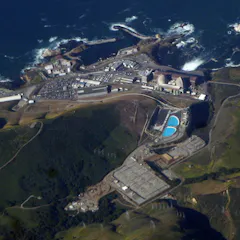
Can nuclear power plants like California Diablo Canyon be replaced without greatly raising emissions? It’s an open question.
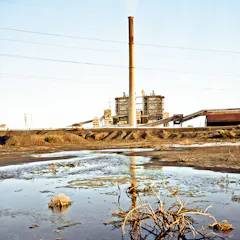
Closure of the state’s last coal power station will leave a potential gap in the electricity supply.
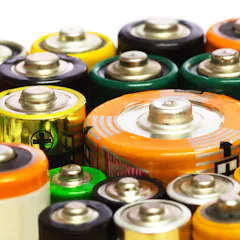
We already have them in many sizes – but we’re still looking for a battery to store truly large amounts of energy.
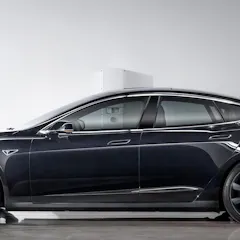
As it’s done with its electric cars, Tesla will need to rely on well-heeled early technology adopters and friendly regulations to sell lots of home batteries.
Top contributors
-

Assoc Prof. Renewable Energy, Monash University
-
Professor of Engineering, Australian National University
-
Research Fellow, ANU College of Engineering and Computer Science, Australian National University
-
Associate Professor of Public Policy, Rochester Institute of Technology
-
Professor of Sustainability, Rochester Institute of Technology
-
Senior Research Fellow in Renewable Energy, Australian National University
-
Director, Boston University Institute for Sustainable Energy, and Professor of Practice, Questrom School of Business, Boston University
-
Research Analyst in Sustainable Communities, University of California, Los Angeles
-
Canada Research Chair in Climate and Energy Policy, L’Université d’Ottawa/University of Ottawa
-
Associate Professor of Environmental Engineering, North Carolina State University
-
Professor of Engineering , University of Newcastle
-
Assistant Professor, Economics, University of Regina
-
Professor of Law; Executive Director, Pace Energy and Climate Center, Pace University
-
Associate Professor of Environmental Engineering, North Carolina State University
-
Assistant professor, Economics and School of Public Policy, University of Calgary