
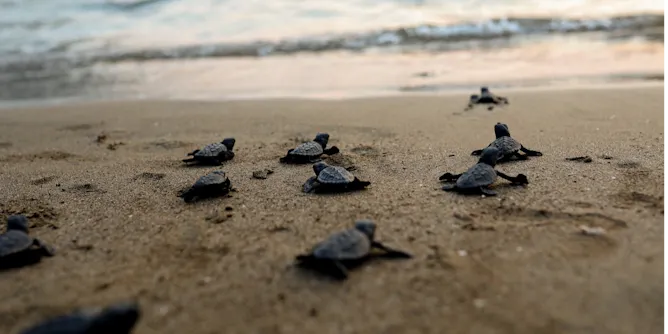
Scientists don’t know what prompts turtle hatchlings to emerge from their nests and head for the water, but vibrations appear to play a role.
Articles on Endangered species
Displaying 221 - 240 of 572 articles

Honey bees, wild and native bees face threats from parasites, pesticides and habitat loss. Shorter winters, more extreme weather and more habitat destruction won’t help.

Published in 1962, ‘Silent Spring’ called attention to collateral damage from widespread use of synthetic pesticides. Many problems the book anticipated persist today in new forms.
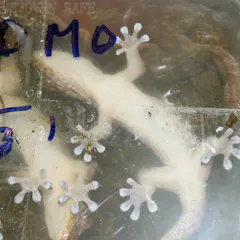
Tackling this global problem requires an international effort – particularly by rich nations where the demand for exotic pets is increasing.
Yes, the new threatened species plan is better. But it’s nowhere near enough to actually prevent Australian species from dying out
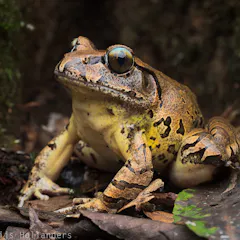
Populations of Fleay’s barred frog in Australia’s ancient rainforests were decimated by the chytrid fungus. Now, the frogs have developed a natural resistance.
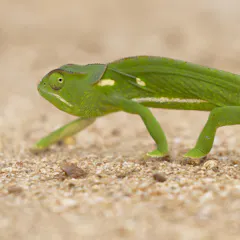
Cute and fluffy species get most of the attention that attracts resources to conserve them. But a new study finds people respond well to creepy crawlies if they’re given time in the media limelight.
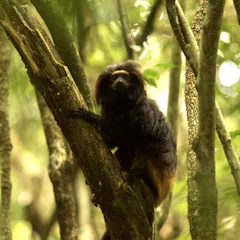
Do you know zoopharmacognosy is? Some animals use trees to treat themselves.
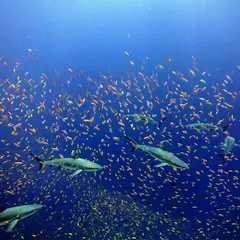
Sharks are much more severely threatened by humans than vice versa. A marine biologist explains how people can help protect sharks and why some strategies are more effective than others.
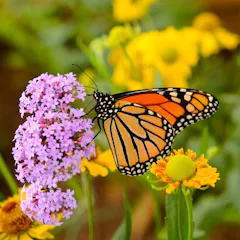
The struggles of monarch butterflies reflect a shared North American ecological and social problem.
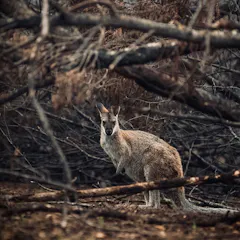
The paltry spending means many species severely impacted by the megafires were left in desperate trouble, potentially pushing some closer to extinction.

The Soviet Union was a latecomer to industrial whaling, but it slaughtered whales by the thousands once it started and radically under-reported its take to international monitors.
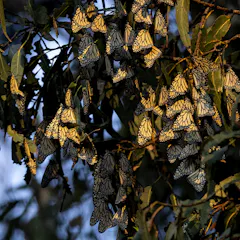
The iconic monarch butterfly has been added to the Red List of endangered species, but hasn’t received protection in the US yet. That’s not necessarily a bad thing.
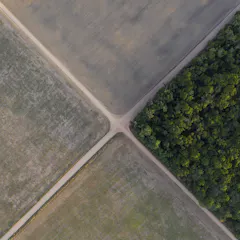
The so-called post-2020 global biodiversity framework is a nature counterpart to the 2015 Paris Agreement on climate change, and will aim to curb the decline of nature by 2050.
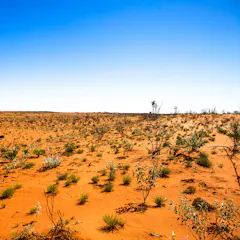
This fictitious project approval helps us better understand how environmental governance in Australia has gone badly wrong.
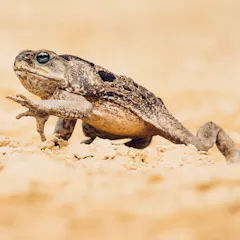
The simulation showed catching cane toads once a week involved 85% less cost and effort than other strategies, but was just as effective.

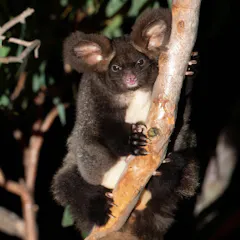
Greater gliders are fluffy, cat-sized possums with large ears. State governments have failed them at every turn, and continue to raze their habitat.
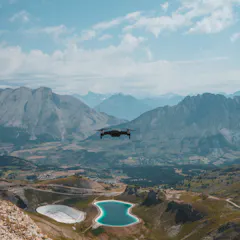
From discovering hidden populations of vulnerable newts to dropping “seed bombs”, two new research papers show how genomics and drones help restore threatened ecosystems.

The recent goring of a tourist who approached within 10 feet of a bison in Yellowstone National Park is a reminder that wild animals can be dangerous and people should keep safe distances.
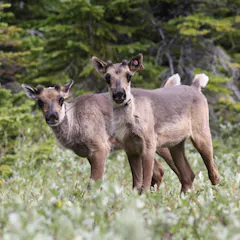
An Indigenous-led effort to increase caribou abundance and cultural practices like hunting is successfully increasing the caribou population
Top contributors
-

Professor in Conservation Science, School of the Environment, The University of Queensland
-
Professor in Wildlife Ecology and Conservation, School of Life & Environmental Sciences, Deakin University
-
Professor of Environmental Management, The University of Queensland
-
Distinguished Professor of Ecology, Fenner School of Environment and Society, Australian National University
-
Professor of Conservation Biology, Charles Darwin University
-
Professor in Conservation Science, School of Ecosystem and Forest Science, The University of Melbourne
-
Professor, Conservation Biology, The University of Queensland
-
ARC Future Fellow, Queensland University of Technology
-
Professor in Terrestrial Ecology, Deakin University
-
Professor, Urban Ecology and Biodiversity, The University of Melbourne; RMIT University
-
Lecturer, School of Environment and Science, Griffith University
-
Professor of Wildlife Conservation, Australian National University
-
University Fellow in Biodiversity, Charles Darwin University
-
Lecturer in Conservation, The University of Queensland
-
Professor of Conservation and Sustainable Livelihoods, Charles Darwin University