
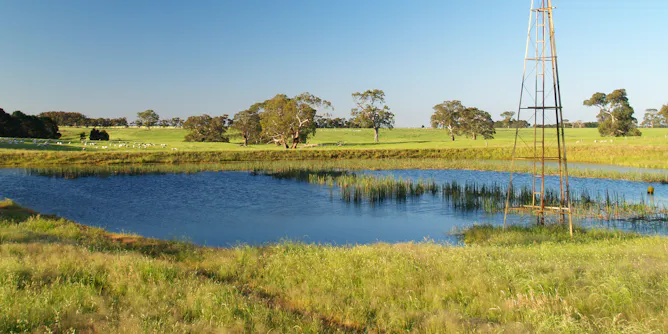
Australia has almost 1.8 million farm dams – and some are home to threatened frog species
Articles on Endangered species
Displaying 161 - 180 of 572 articles
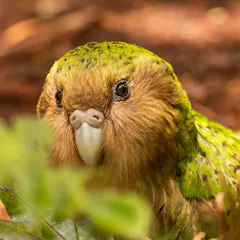
Kākāpō are prone to disease and infertility. Only intensive species management has saved the flightless parrots from extinction. Genome data now reveals the genetic reasons behind these problems.

The UN ‘30 by 30’ biodiversity strategy aims to set aside 30% of land as protected areas. New research shows these areas do support biodiversity, but big parks also increase it outside their borders.
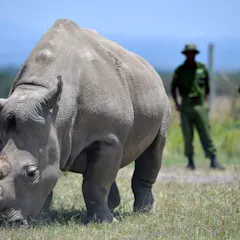
Efforts to save one species can provide scientific knowledge that enables us to save other creatures in need.

Incrementalism and politics as usual cannot save the Barrier Reef from the largest threat it faces – the heat ramping up from climate change
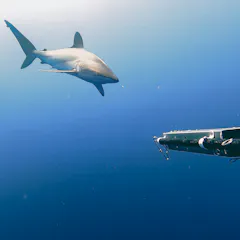
Open ocean sharks are globally threatened with extinction. Knowing where they are helps us protect them. Here, new research into silky sharks reveals priorities for conservation.
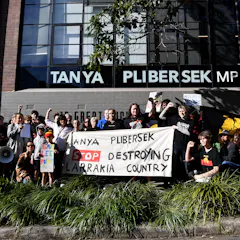
The Darwin woodland is home to endangered species and important for the Larrakia people. The development approval requires habitat offsets – yet the minister herself has publicly doubted offsets work.

Rhino rays, which are close relative of sharks, are some of the most fascinating – and most threatened – fishes that you’ve never heard of.
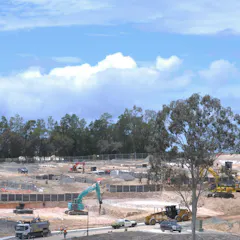
Offsets are meant to restore land elsewhere to make up for lost habitat. Developers can make payments to the state to cover the costs of this work, but a new study finds there’s usually a shortfall.
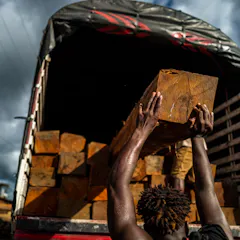
Timber parks, where the paperwork for loads of timber is inspected, can help stem the financial losses from illegal exports.
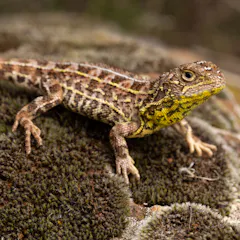
The successful quest to find a species last seen more than 50 years ago has added to the urgency of protecting the vanishing grassland habitat of a lizard that had been feared extinct.
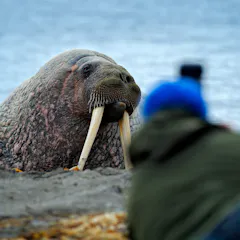
Any law that protects threatened wildlife should be welcomed – but a ban alone will not prevent illegal activity.
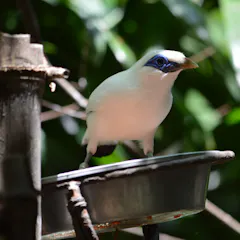
Our experiments with the critically endangered Bail myna showed some birds are bolder than others.

Behavior-based interventions could boost conservation efforts, but raise their own set of tricky ethical issues.
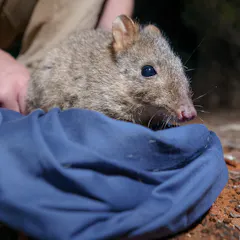
Woylies bred in wildlife havens were smaller and less flighty than their counterparts in the wild. This could jeopardise the success of repopulation programs.
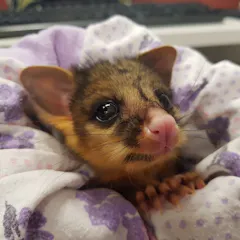
It can be hard and costly to collect data on the threats to species at specific locations. Wildlife emergency response services have long-running records for hundreds of species that suffered harm.
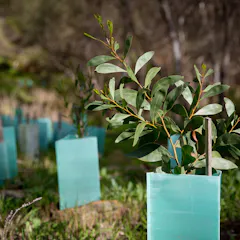
Funding decisions under the federal program were largely driven by simplistic considerations, such as the cost of each tree, rather than benefits to threatened species.
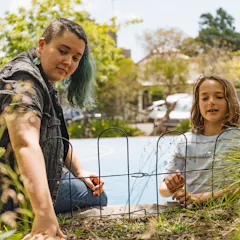
The 10-week pilot program Totemic Species in Schools shows how Indigenous science can be woven into the existing curriculum. Students, teachers and parents provided positive feedback.
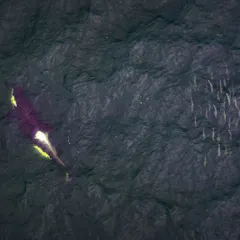
Food quality, not just quantity, matters when it comes to the health and survival of the southern resident killer whales.
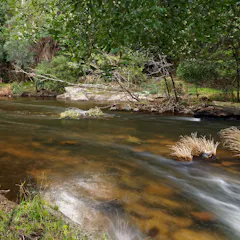
Last year was great for plant growth and river flows. But Australia is still on the brink of losing a slew of plant and animal species.
Top contributors
-

Professor in Conservation Science, School of the Environment, The University of Queensland
-
Professor in Wildlife Ecology and Conservation, School of Life & Environmental Sciences, Deakin University
-
Professor of Environmental Management, The University of Queensland
-
Distinguished Professor of Ecology, Fenner School of Environment and Society, Australian National University
-
Professor of Conservation Biology, Charles Darwin University
-
Professor in Conservation Science, School of Ecosystem and Forest Science, The University of Melbourne
-
Professor, Conservation Biology, The University of Queensland
-
ARC Future Fellow, Queensland University of Technology
-
Professor in Terrestrial Ecology, Deakin University
-
Professor, Urban Ecology and Biodiversity, The University of Melbourne; RMIT University
-
Lecturer, School of Environment and Science, Griffith University
-
Professor of Wildlife Conservation, Australian National University
-
University Fellow in Biodiversity, Charles Darwin University
-
Lecturer in Conservation, The University of Queensland
-
Professor of Conservation and Sustainable Livelihoods, Charles Darwin University