

Medicine and technology may have advanced, but the dangers of the wilderness remain unchanged. The Oregon Trail game provides timeless tips on how to enjoy nature safely.
Articles on Emergency medicine
Displaying 1 - 20 of 30 articles
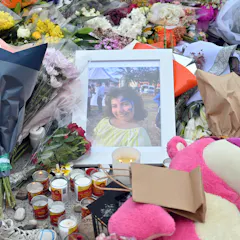
The Bondi Beach terror attack was unique. A doctor and paramedic who researches disasters and co-ordinated volunteers on the day explains why.
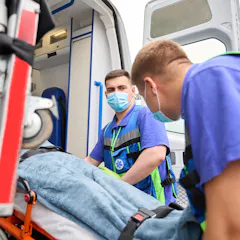
A paramedic and university professor shares data about how strategic napping could help his own health while saving the lives of others.

In sub-Saharan Africa, over 300,000 people are envenomed each year, leading to over 7,000 deaths and almost twice as many amputations.

TV shows can be misleading when it comes to educating viewers on hands-only CPR, along with who experiences cardiac arrest and where.
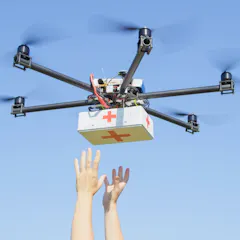
The reality of drone-assisted health care may be closer than we think.
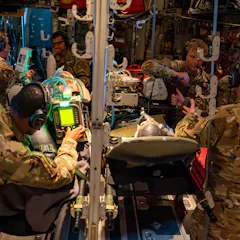
How much oxygen does the military need for wounded soldiers? Turns out not much. Military-civilian research is paving the way for new developments.
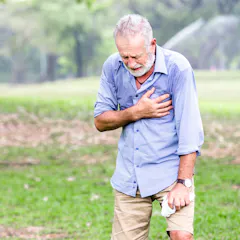
‘Cough CPR’ is blowing up on social media. But it’s not to be recommended.
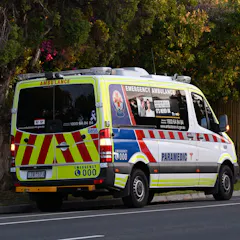
Timely stroke treatment can limit brain damage and improve outcomes for patients. But this depends on early recognition of the symptoms, which is not always easy.
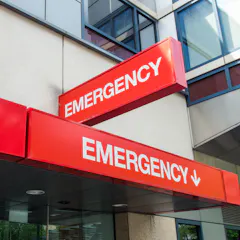
A virtual ED is typically staffed by emergency doctors, nurses and support staff who can assess patients’ symptoms, provide medical advice, and direct care to the right place.
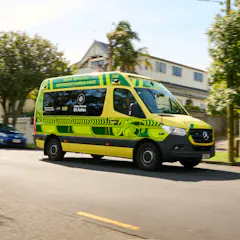
New Zealand is just the second country to approve a novel defibrillation procedure for some patients. With current survival rates very low, it is hoped the new method will save many more lives.
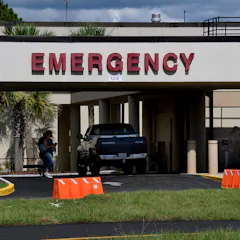
A new study finds more emergency medicine residencies are available, but hundreds of the positions are going unfilled.

When the water and air are warm, the primary problem is dehydration.

Hot water, cold water, rubbing with sand? What our new review says works best to treat jellyfish stings.

With more than half a million notifications of suspected child maltreatment each year in Australia, we need to explore the better use of our health-care workforces to prevent maltreatment.
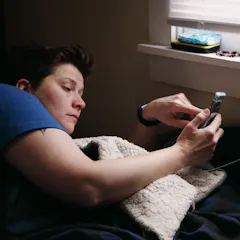
Sometimes you just can’t wait to see a doctor. With the addition of more virtual services during COVID, these days you have more options.
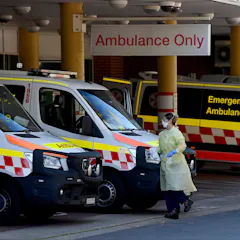
Long lines of ambulances have hit the headlines in recent weeks. But ‘ramping’ isn’t a new problem for patients or paramedics. COVID means we must fix it now.
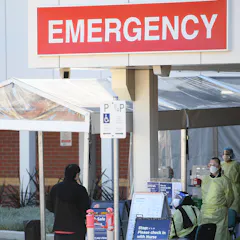
If you feel like you’re having a medical emergency then you should still go to hospital. Expect longer waits and extra precautions.
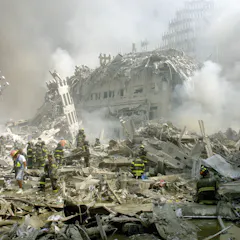
More 9/11 responders died from physical and mental health issues after the terrorist attacks than on the day itself. And survivors are still suffering 20 years later.
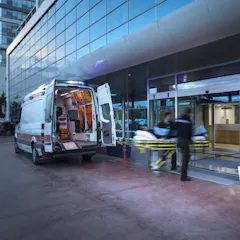
Outsourcing is common in many hospitals. But when health care systems outsource certain clinical tasks to separate companies, costs can go up, quality of care can fall and patients can be harmed.
Top contributors
-

Digital Health Program Manager at the Centre for Digital Transformation of Health, The University of Melbourne
-
Associate Professor (Operations & Healthcare), The Ohio State University
-
Assistant Professor, Department of Emergency Medicine, Director of the Acute Care Research Unit, Affiliated Adjunct and Natural Scientist, RAND Corporation, University of Michigan
-
Associate Professor of Emergency Medicine, Queen's University, Ontario
-
Senior lecturer in the Division of Emergency Medicine, University of Cape Town
-
Associate Professor of Emergency Medicine, The Ohio State University
-
Academic Specialist & Senior Lecturer in Cancer Sciences & Digital Health | Superstar of STEM | Science Communicator, The University of Melbourne
-
Professor of Emergency Medicine, The Ohio State University
-
Digital Health Transformation Research Fellow, The University of Melbourne
-
Professor of Emergency Medicine and Internal Medicine, The Ohio State University
-
Lecturer in Information Security, Governance and Leadership / Design Thinking, The University of Queensland
-
Professor of Policy Analysis, RAND School of Public Policy
-
NIHR Doctoral Research Fellow at the Hull York Medical School, University of Hull
-
Alfred Deakin Postdoctoral Research Fellow, Deakin University
-
Senior Lecturer in Exercise and Environmental Physiology, University of Hull