
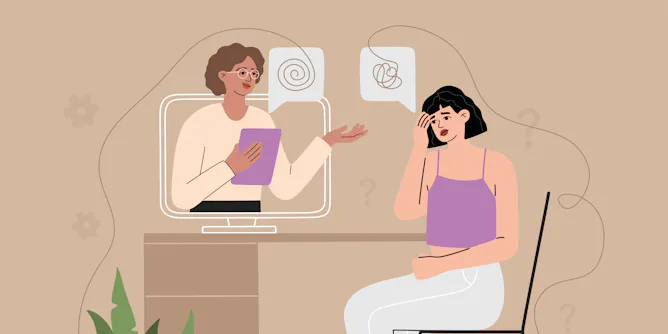
Clear communication is the secret sauce to safe and effective treatment.
Articles on Telehealth
Displaying 1 - 20 of 65 articles

Specialized health care for brain-related issues can be lacking in rural areas, but collaborative, community-based approaches can help address these inequities.
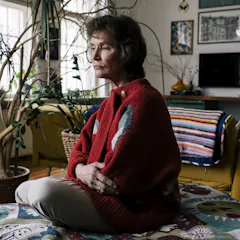
Some aspects of the voluntary assisted dying process, such as eligibility assessments, can’t be discussed by phone or video conference.

Although states have the power to regulate medical care, they cannot exercise that power by prohibiting speech on medical topics that the state disagrees with.
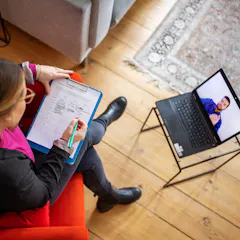
Yes, telehealth has improved access for people seeking ADHD treatment. But a new study suggests it’s also a money spinner.

Traveling to Mexico for routine healthcare can be convenient and affordable – but the cues patients rely on to judge quality of care may differ in important ways.

There are myriad, quiet ways Australians rely on an internet connection for their health and wellbeing. The impact is harder to count.
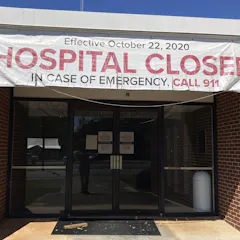
An influx of cash would help stabilize rural health systems, but the program’s focus on technology may leave other major issues unaddressed.
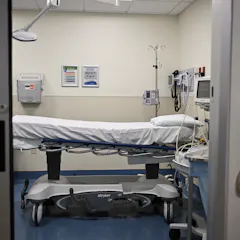
Rural hospitals have high fixed costs, low patient volume and a large portion of patients insured through Medicaid, which typically pays less than private insurers.

Policymakers are still deciding whether to make some types of Medicare coverage for telehealth permanent. Studies show it helps older adults get more consistent health care.

The NT looks set to introduce voluntary assisted dying mid-year, while other states are reviewing – and may change – current laws. Here’s what you need to know.
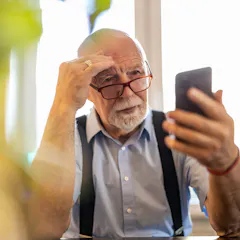
The shift to online GP consultations risks leaving behind those with the greatest health needs.
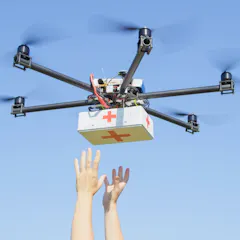
The reality of drone-assisted health care may be closer than we think.

Prime Minister Anthony Albanese is set to launch a 1800MEDICARE advice line from January next year.

Access to health care is a big one as rural hospitals close. Two researchers who focus on rural issue explain how the federal government could help.

Some private health insurers are offering their members easier access to GP telehealth services, sometimes for free.
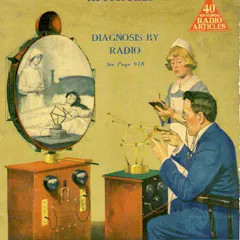
From the teledactyl and the medical mantis to Zoom doctoring and beyond, scifi and real-world medical technology have developed hand in hand.

While telehealth doctor appointments can increase the accessibility of health care, online medicine misses a key element to improve health outcomes in rural communities: continuity of care.

Analysis of 111 calls suggests most responses to calls from people in mental health distress could be led by social service providers without the need for police.

A virtual ED is typically staffed by emergency doctors, nurses and support staff who can assess patients’ symptoms, provide medical advice, and direct care to the right place.
Top contributors
-

Associate Professor, School of Pharmacy and Pharmaceutical Sciences, The University of Queensland
-
Professor in Telehealth,Centre for Online Health, The University of Queensland
-
Professor of Telehealth; and Director of the Centre for Online Health, The University of Queensland
-
Professorial Fellow, University of Canberra
-
Associate Professor of Nursing, West Virginia University
-
Distinguished Professor, Professor of End-of-Life Law and Regulation, Australian Centre for Health Law Research, Queensland University of Technology
-
Honorary Enterprise Professor, School of Population and Global Health, and Department of General Practice and Primary Care, The University of Melbourne
-
Senior Lecturer in Law, Australian Centre for Health Law Research, Queensland University of Technology
-
Professor of Obstetrics, Gynecology & Reproductive Science, University of California, San Francisco
-
Alfred Deakin Postdoctoral Research Fellow, Deakin University
-
Associate Professor in Law, Auckland University of Technology
-
Professor of Primary Care Research, University of Southampton
-
Senior Research Fellow, University of Technology Sydney
-
Assistant Professor, University of Michigan
-
Professor of Clinical Psychology, UNSW