

Public safety workers face rising rates of psychological injury and suicide. Research suggests employers are focusing on the wrong solutions.
Articles on Paramedics
Displaying 1 - 20 of 25 articles
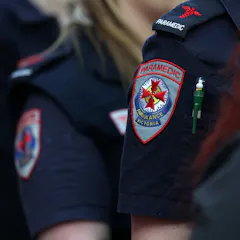
Ambulance workers are increasingly being verbally abused and physically attacked. Two paramedicine researchers explain how we can better protect them.

The Bondi Beach terror attack was unique. A doctor and paramedic who researches disasters and co-ordinated volunteers on the day explains why.
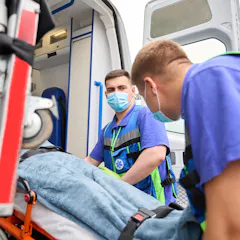
A paramedic and university professor shares data about how strategic napping could help his own health while saving the lives of others.
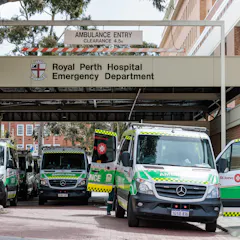
There is a difference between factual television entertainment and documentary expose. Here’s what filmmakers have to consider.
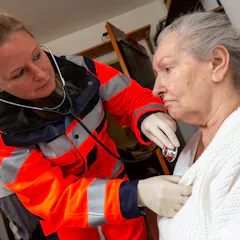
Training paramedics to provide home-based palliative care lets severely ill patients remain at home and takes pressure off emergency departments and the health system.
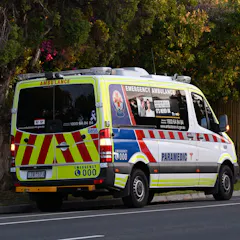
Timely stroke treatment can limit brain damage and improve outcomes for patients. But this depends on early recognition of the symptoms, which is not always easy.
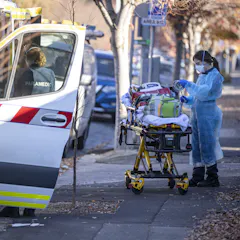
Research on both sides of the globe shows that unmanageable workloads is the main reason why many ambulance service staff are considering quitting the profession.

A new review of Australian health care workers’ scope of practice should focus on expanding pharmacists prescribing for stable conditions and long-term medications, under the direction of a GP.

So far, attempts to fix the emergency services crisis have largely involved short-term solutions without looking at the root causes.
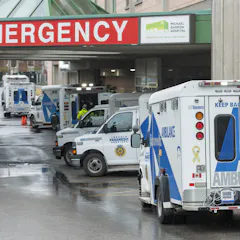
Ambulance response times have not always met targets, but the alarming new pinch point in our health-care system is that there are no ambulances at all available to respond to calls.

With more than half a million notifications of suspected child maltreatment each year in Australia, we need to explore the better use of our health-care workforces to prevent maltreatment.
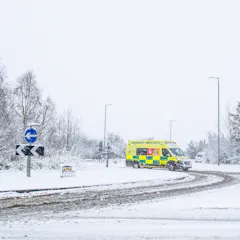
Ambulance services are facing unfair criticism for a situation which is not of their making. The workforce is in crisis, with system-wide pressures seriously hampering their ability to do their jobs.

The future of our health system depends on recruiting and retaining passionate and highly skilled health-care workers. It’s essential to build work environments where they feel supported and safe.
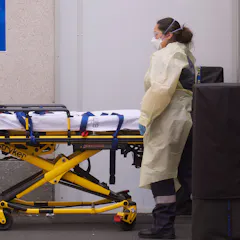
Hospitals are struggling, with ambulances ramping outside emergency departments and patients facing long waits for care. But doing more of the same won’t fix the problem.
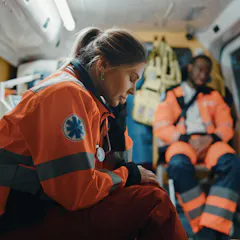
New research shows overworked, sleep-deprived health-care professionals are less empathetic to their patient’s needs compared to when they are well-rested.
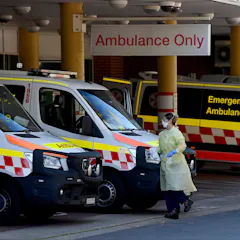
Long lines of ambulances have hit the headlines in recent weeks. But ‘ramping’ isn’t a new problem for patients or paramedics. COVID means we must fix it now.
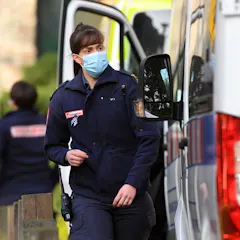
It’s not just because of higher exposure to traumatic events. It’s also toxic workplace culture and harmful management practices.

Proposals in NSW to force someone who spits at or bites a frontline worker to be tested for HIV and other blood-borne viruses are a real problem - for workers and the public.
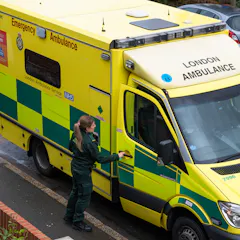
Our study found many ambulance staff felt ill-equipped to respond to these calls.
Top contributors
-

Professor of Leadership and Management, Edge Hill University
-
Associate professor, Charles Sturt University
-
Academic Lead in Paramedic Education and Program Director Paramedicine Programs, Griffith University
-
Associate Professor, Deputy Director Phoenix Australia Centre for Post-traumatic Mental Health, The University of Melbourne
-
Professor, Department of Industrial Engineering, Dalhousie University
-
PhD Candidate, School of Engineering, RMIT University
-
Assistant Professor (Adjunct), Family Medicine, Queen's University, Ontario
-
Research Officer School of Health and Social Care, Swansea University
-
Honorary Senior Research Fellow, Faculty of Medicine, Dentistry and Health Sciences., University of Melbourne; HIV Clinical Nurse Consultant with Bolton Clarke, Board Member Australasian Society for HIV, Viral Hepatitis and Sexual Health Medicine (ASHM), The University of Melbourne
-
Research fellow, University of Manchester
-
Associate, Health & Aged Care Program, Grattan Institute
-
Research Fellow, School of Engineering, RMIT University
-
Assistant Professor, Department of Emergency Medicine, Director of the Acute Care Research Unit, Affiliated Adjunct and Natural Scientist, RAND Corporation, University of Michigan
-
Associate Professor, Family Medicine, Queen's University, Ontario
-
Professor of Policy Analysis, RAND School of Public Policy