
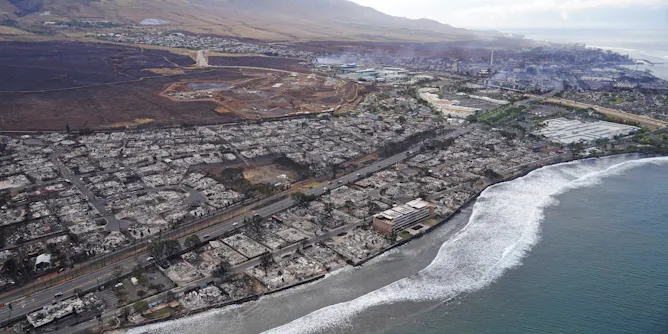
Hotels are helping the Hawaiian island of Maui recover from the catastrophic impact of wildfires, just as they have in Florida following hurricanes.
Articles on Disaster response
Displaying 61 - 80 of 88 articles
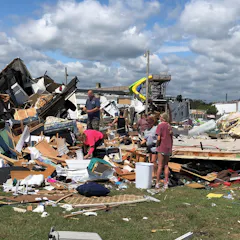
After a hurricane strikes or an earthquake makes shockwaves, try to support nonprofits that are clear about what they do and how they will spend your money.

Governments must think about older people’s relationships with pets when they’re planning both aging-in-place strategies and disaster management.
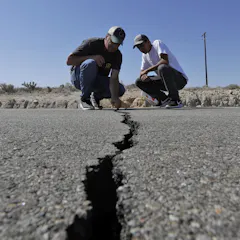
Engineers know how and where to build to minimize earthquake damage. But laws don’t always reflect that wisdom. A new study suggests it’s because of a mismatch between risk perceptions and reality.
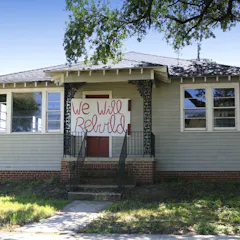
Getting everyone whose lives were thrown off-track back takes a lot of personal effort, paired with work done by a constantly shifting mix of nonprofits and governmental agencies over many years.
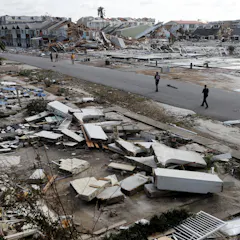
An engineering professor explains why rural areas are especially vulnerable to hurricanes, and what they can do to ensure that no one is left without help.
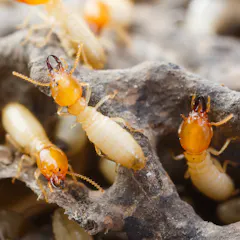
The idea of swarm robots has been around for some time but researchers are now looking more closely at nature for robot design inspiration.
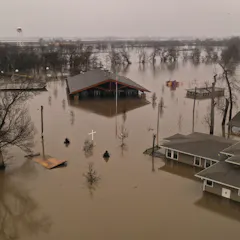
The Trump administration has proposed a major revamp of the National Flood Insurance Program since its inception in 1968. Here’s why it needs fixing.
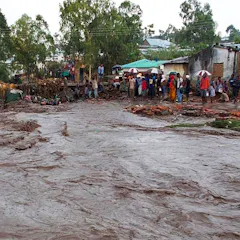
High poverty levels mean people lack access to land and work and they are often driven to settle in zones that are exposed to natural hazards.
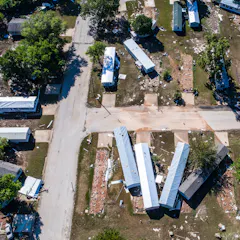
Drones already help with search and rescue, but teaching machines to identify victims on their own could free up human rescuers to do other crucial work.
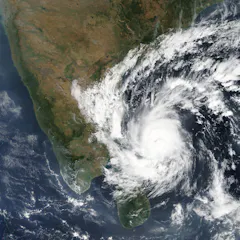
As global warming intensifies violent weather events, the most vulnerable countries affected need help to respond more effectively.
The urge to provide disaster aid is borne out of the best characteristics of humanity. But it’s important to consider when to donate to disaster survivors, along with what and to whom to give.
The billions of dollars worth of aid dispatched every year to alleviate the suffering and damage after earthquakes and hurricanes would do more good if it didn’t get clumped up.
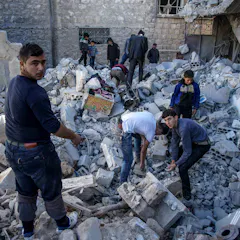
Warning Syrians of approaching airstrikes via social media is helping save lives.
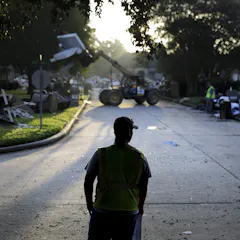
Epidemiologists study disease outbreaks in populations to determine who gets sick and why. In the wake of this year’s hurricanes, they are assessing impacts from mold, toxic leaks and other threats.
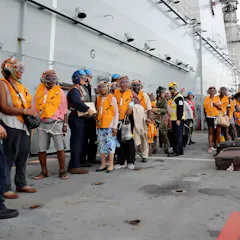
Promoting individual resilience will contribute to reductions in disaster threats for at-risk communities globally.
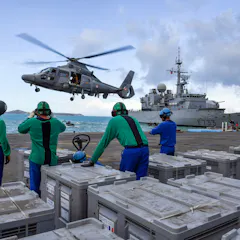
The aid and assistance Britain’s Caribbean territories will need to rebuild will make highlight the fault lines in the relationship between Westminster and its former colonies.
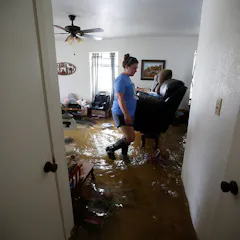
The federal government created a program in 1968 to insure homes in the US from flooding, yet few of the houses hammered by Harvey’s record rainfall were covered.
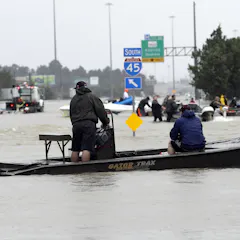
Ad hoc boat rescues have become critical parts of disaster response efforts, a trend first responders have officially embraced.

A multibillion-dollar effort is just beginning to build an all-new nationwide wireless broadband network for emergency responders. How will it work, why do we need it and how will it last 25 years?
Top contributors
-

Associate Professor of Disaster and Emergency Management, York University, Canada
-
Director, Disaster Research Center and Professor, Public Policy & Administration, University of Delaware
-
Professor of Sociology and Director, Disaster Research Center, University of Delaware
-
Associate Professor of Landscape Architecture and Urban Planning, Texas A&M University
-
Assistant Professor of Sociology, University of Houston
-
Professor Emeritus of Risk Management and Insurance, Georgia State University
-
Senior Lecturer, School of Global, Urban and Social Studies, RMIT University
-
Associate professor, Kean University
-
Professor of Emergency Medicine, The Ohio State University
-
Associate Professor of Emergency Medicine, The Ohio State University
-
Professor of Electrical, Computer and Biomedical Engineering, University of Hartford
-
Senior Lecturer in Human Geography, Royal Holloway, University of London
-
Professor of Pyrogeography and Fire Science, University of Tasmania
-
PhD Candidate in Geography and Demography, Penn State
-
Senior Lecturer in Communications, Media and Democracy, University of Glasgow