
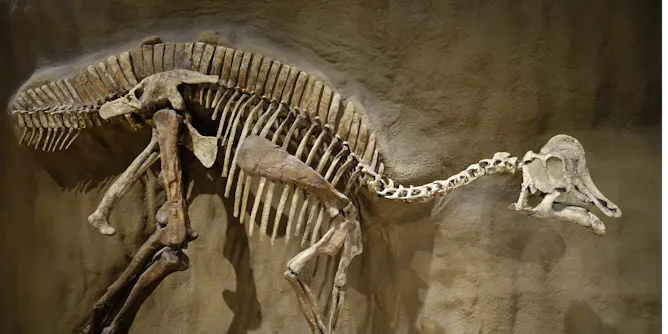
Scientists claim to have found DNA in fossilised dinosaur cartilage.
Articles on Dinosaurs
Displaying 161 - 180 of 311 articles
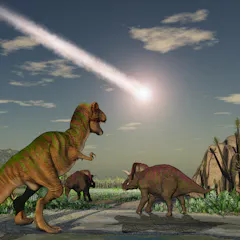
A mass extinction 66 million years ago killed the non-bird dinosaurs, but plants survived.
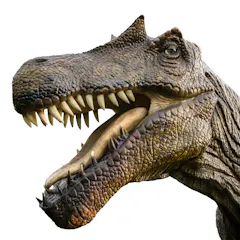
Teeth can reveal a lot about diversity when they are reasonably well-preserved.
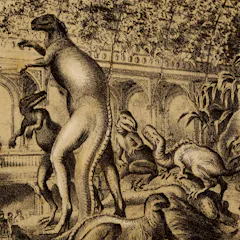
Dinosaurs are malleable beasts: so much so that their constant reshaping has often been driven by cultural and political trends.
These trackways offer rare insights about ancient life in a stressful, hostile environment during the Early Jurassic.
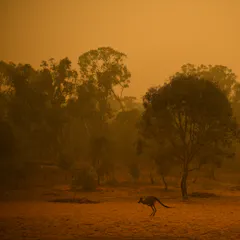
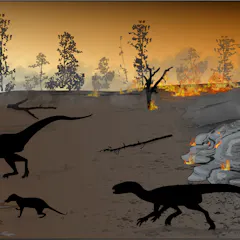
The asteroid that wiped out the dinosaurs sparked global firestorms. On land, only creatures that could evade fire survived
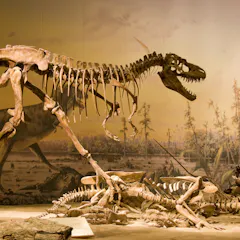
Sometimes the only way to tell the difference between a baby dinosaur and a grown-up one is to find fossils of them both together.
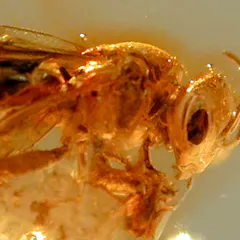
How do we know that bees were around when dinosaurs still roamed the Earth? The main evidence comes from fossils – the mineralized remains of long-dead organisms.

Scientists have worked out a new way to scan beneath the ground for footprints – and it’s revealing traces of an ancient world.
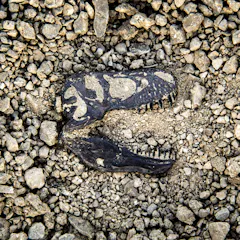
Every cloud has a silver lining – even the debris cloud from an asteroid impact
Scientists are left with two conclusions. Either Nessie is an eel, or she never existed at all.
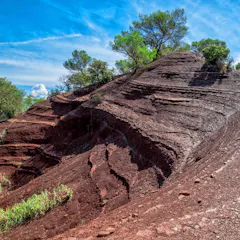
The geological and biological archives of the Earth shed light on both the distant past of our planet and allow us to imagine its future.

The more we know about the animals that lived during this time, the more we can start to comprehend how species react and recover after an extinction event.
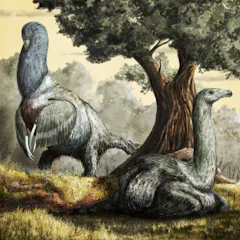
New research suggests some dinosaurs buried and protected eggs in groups.
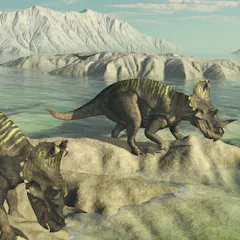
Fossils contain a thriving world of bacteria, proteins and perhaps even organic matter from dinosaurs.
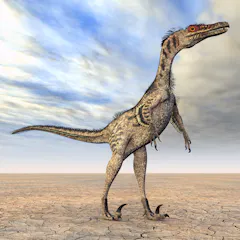
When the first Jurassic Park film came out, we didn’t know which dinosaurs had feathers. But a few years later, a very important discovery was made that changed our thinking on how dinosaurs looked.
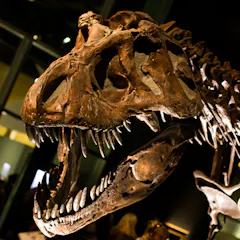
Dinosaurs ruled the Earth for about 180 million years. But around 66 million years ago, a huge rock from outer space (called an asteroid) smashed into the Earth. Then things got worse for dinosaurs.
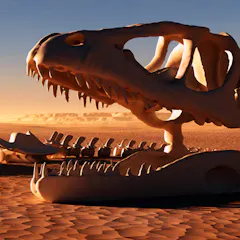
Growing evidence suggests that the extinction of the dinosaurs involved profound, complex and interconnected changes to the global systems that support life. Much like we are facing today.

A psychologist explains why we should accept that we will never live in the Anthropocene.
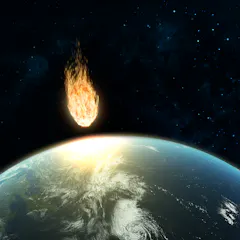
More evidence that the asteroid hit on Earth that marked the end of the dinosaurs could have triggered a deadly increase in volcanic activity.
Top contributors
-

Professor of Vertebrate Palaeontology, University of Bristol
-
Chancellor's Fellow in Vertebrate Palaeontology, University of Edinburgh
-
Emeritus Strategic Professor in Palaeontology, Flinders University
-
Senior Research Scientist, South Australian Museum; Flinders University
-
Senior Lecturer in Paleontology and Evolutionary Biology, Life Sciences at the University of Bath, University of Bath
-
Associate professor in Vertebrate Palaeontology, University of the Witwatersrand
-
Research Associate, School of Earth and Planetary Sciences, Curtin University
-
Senior lecturer, University of New England
-
Research Associate, African Centre for Coastal Palaeoscience, Nelson Mandela University
-
Professor, Palaeobiology, University College Cork
-
Palaeontologist, Earth Science Faculty, University of New England
-
PhD; Associate Professor, School of Biological Sciences, The University of Queensland
-
Palaeontologist, University of Southampton
-
Professor of Evolutionary Palaeobiology at the Milner Centre for Evolution, University of Bath
-
Researcher and curator, Jurassica Museum