
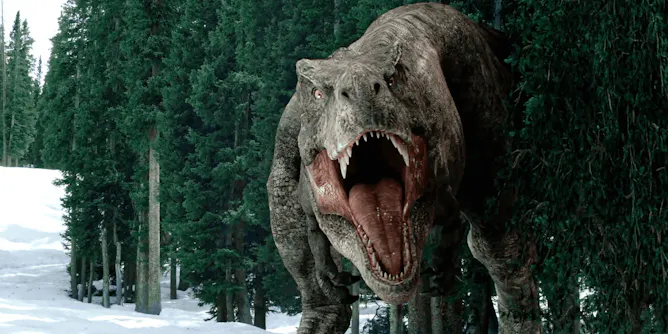
The biggest crime of the film was exaggerating the size of dinosaurs.
Articles on Dinosaurs
Displaying 101 - 120 of 311 articles
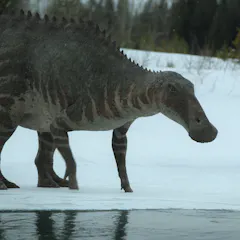
Yes, dinosaurs really did survive in snow – we simulated the Cretaceous climate to prove it.
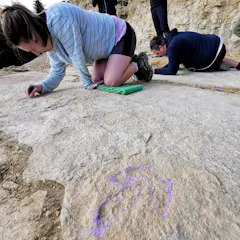
Collectively, the evidence studied by ichnologists helps to paint a picture of long-gone landscapes and the creatures and plants that populated those spaces.
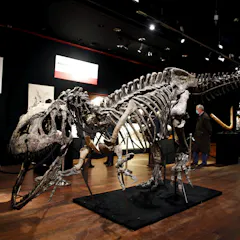
The sale of fossils at auction houses reflects a problematic trend of privileging profit over knowledge and education.

New research on the Crystal Palace dinosaurs is uncovering truths about these famous Victorian sculptures

Whether a combine harvester or a Diplodocus is the cause, compacted soils are a big problem.
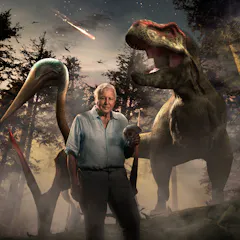
A recent BBC documentary examined fossils thought to have been made when an asteroid wiped out the dinosaurs.
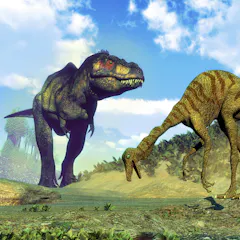
Two recent discoveries in Alberta and Uzbekistan have identified the top predators in those regions during the Cretaceous period. Fossils that had been in storage for years included the jawbones.
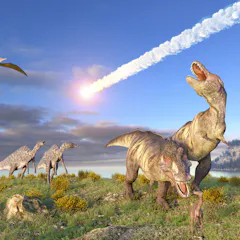
Cockroaches have been on Earth far longer than humans and may outlast us. Here are a few reasons why.
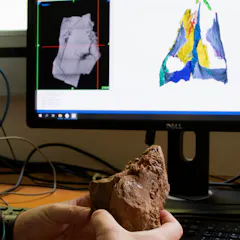
An analysis of the skull suggests the ankylosaur may have had a poorer sense of smell than its counterparts in the northern hemisphere.
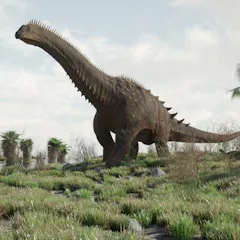
Thanks to our new technique using fossilised tracks, we have been able to learn more about the locomotion of the largest creatures ever to have roamed this planet.
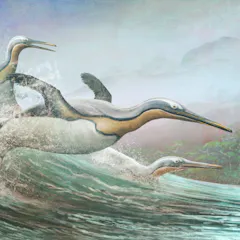
Some penguins would have been as tall (or even taller) than adults today.
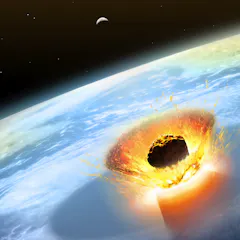
NASA has only mapped 40% of the potentially dangerous asteroids that could crash into Earth. New projects will boost that number, and upcoming missions will test tech that could prevent collisions.
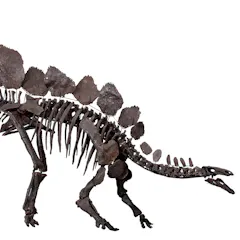
The lack of large numbers of fossils makes it hard to study sexual dimorphism in dinosaurs. But a new statistical approach offers insight into this question and others across science.
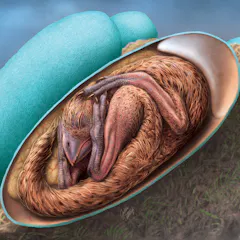
Baby Yingliang is a perfectly preserved oviraptorosaur embryo, a species where findings reveal the connections between dinosaurs and birds.
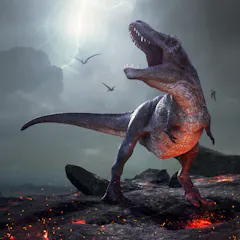
A recent study provides additional evidence that the dinosaurs died in June.
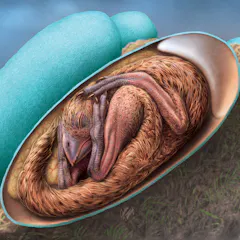
The little dinosaur is curled up inside its shell the same way birds do before hatching, shedding new light on the link between the behaviour of dinosaurs and modern birds.
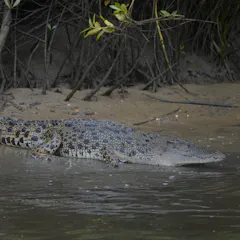
Crocodiles can survive without food for a long time – even up to more than a year – because of how well they can save their energy.
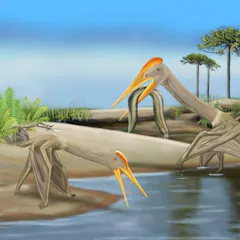
We examined pterosaur jaw fragments from the Moroccan desert to understand more about how these creatures evolved.
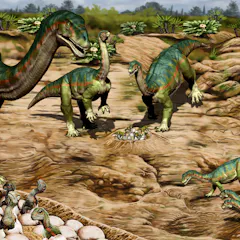
The complex social behaviour in early dinosaurs observed in a new study lines up with other fossil evidence that dinosaurs were more bird-like than crocodilian-like.
Top contributors
-

Professor of Vertebrate Palaeontology, University of Bristol
-
Chancellor's Fellow in Vertebrate Palaeontology, University of Edinburgh
-
Emeritus Strategic Professor in Palaeontology, Flinders University
-
Senior Research Scientist, South Australian Museum; Flinders University
-
Senior Lecturer in Paleontology and Evolutionary Biology, Life Sciences at the University of Bath, University of Bath
-
Associate professor in Vertebrate Palaeontology, University of the Witwatersrand
-
Research Associate, School of Earth and Planetary Sciences, Curtin University
-
Senior lecturer, University of New England
-
Research Associate, African Centre for Coastal Palaeoscience, Nelson Mandela University
-
Professor, Palaeobiology, University College Cork
-
Palaeontologist, Earth Science Faculty, University of New England
-
PhD; Associate Professor, School of Biological Sciences, The University of Queensland
-
Palaeontologist, University of Southampton
-
Professor of Evolutionary Palaeobiology at the Milner Centre for Evolution, University of Bath
-
Researcher and curator, Jurassica Museum