

It has long puzzled researchers why Latinos seem to have lower rates of heart disease than their non-Latino counterparts, even though they have higher risk factors for heart disease.
Articles on Diabetes
Displaying 141 - 160 of 470 articles
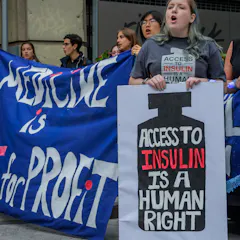
About 1 in 4 Americans with diabetes who need insulin struggle to pay for this lifesaving drug.

Biomedical studies have traditionally used male animals and men as research subjects. That is a problem for everyone because for many diseases, there are sex differences in how they affect people.

Toe jam was mentioned in a song by The Beatles. Maybe they knew a thing or two about foot hygiene.

Our study found a better way to treat eye problems in Indigenous communities – and some key considerations for undertaking culturally safe clinical trials.

A number of recent studies indicate people who have had COVID are more likely to be diagnosed with diabetes.

New research shows that a ban on aggressive hi-vis promotion of sugary drinks could be far more successful in reducing consumption than a sugar tax.
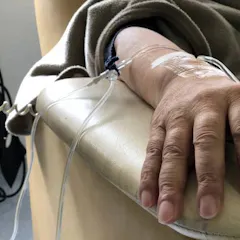
Fat cells and cancer cells talk to each other. Specialists in both systems can do the same.

Sugar gets a bad rap, but exactly which sugar is meant? Nutrient-dense sweet ripe fruits are a far cry from refined table sugar – and their differences can have big health implications.

The audio version of an in-depth article on the feuding scientists who battled for credit over the discovery of insulin.

Meet the feuding scientists who battled for credit over the discovery of insulin.

With such a sharp increase in global prevalence, it’s clear that diabetes is spiralling out of control. It can no longer be ignored.
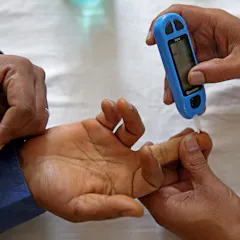
Just over 10% of the world’s adults now live with diabetes and the COVID pandemic saw many people sitting down for longer periods – but small daily changes can improve health.

World Diabetes Day on Nov. 14 marks an increase in diabetes deaths and new diagnoses as the COVID-19 pandemic continues to hinder care for chronic conditions.
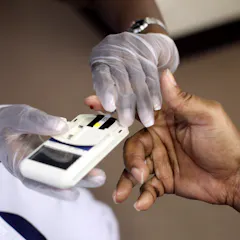
The present healthcare structure in Nigeria contributes to the suffering of people living with diabetes in the country.

“Fat cakes” are incredibly popular in cities and townships across sub-Saharan Africa. But they are also unhealthy because of their high carbohydrate content.

It’s not clear how health claims could be substantiated, enforced or understood, but there are other ways to encourage healthy food choices.

A food historian spent a month at the Library of Congress trying to answer the question of why we have historically been, and remain, so focused on dietary protein. Here is what she found.
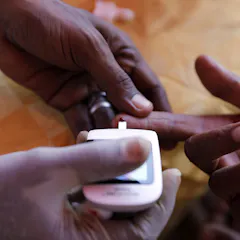
Targets for diabetes would improve healthy lives, reduce deaths, and be cost effective. But they should not be for managing diabetes alone; they must include treating hypertension.

Mexican Americans who have more formal education than their parents are much less likely to have Type 2 diabetes, new research finds.
Top contributors
-

Professor and Programme Director, SA MRC Centre for Health Economics and Decision Science - PRICELESS SA (Priority Cost Effective Lessons in Systems Strengthening South Africa), University of the Witwatersrand
-
Chairperson, Diabetes Alliance; Co-founder, Diabetes Research Centre, University of Pretoria
-
Head of Diabetes Clinics, Baker Heart and Diabetes Institute
-
Laureate Professor in Nutrition and Dietetics, University of Newcastle
-
Professor (Hon) at Monash University, Baker Heart and Diabetes Institute
-
Professor of Medicine, Monash University
-
Professor of Public Health Policy, Deakin University
-
Assistant Professor of Health Promotion and Policy, UMass Amherst
-
Associate Professor and Director of the SAMRC/Wits Centre for Health Economics and Decision Science - PRICELESS SA (Priority Cost Effective Lessons in Systems Strengthening South Africa), University of the Witwatersrand
-
Associate Professor, Health Sciences, University of Waikato
-
Professor of Community Health and Wellbeing, The University of Queensland
-
Accredited Practising Dietitian and Lecturer, Southern Cross University
-
Honorary Associate Professor, University of Leicester
-
General Practitioner, PhD Candidate, Bond University
-
Project Head, Tshwane Insulin Project, University of Pretoria